On July 12, graduates Emily Tucker (NYU), Vivian Gray (USC), Abbey Ling Thorley (AFTRS), Ana Victoria Mendez (ENAC) and Danillo Arantes (University of Melbourne) joined the PDC online for a webinar discussion about their first steps in the entertainment industry.
The panelists shared their reflections on how their formal design education prepared them for their early careers in the art department as well as helpful advice for other designers starting out.
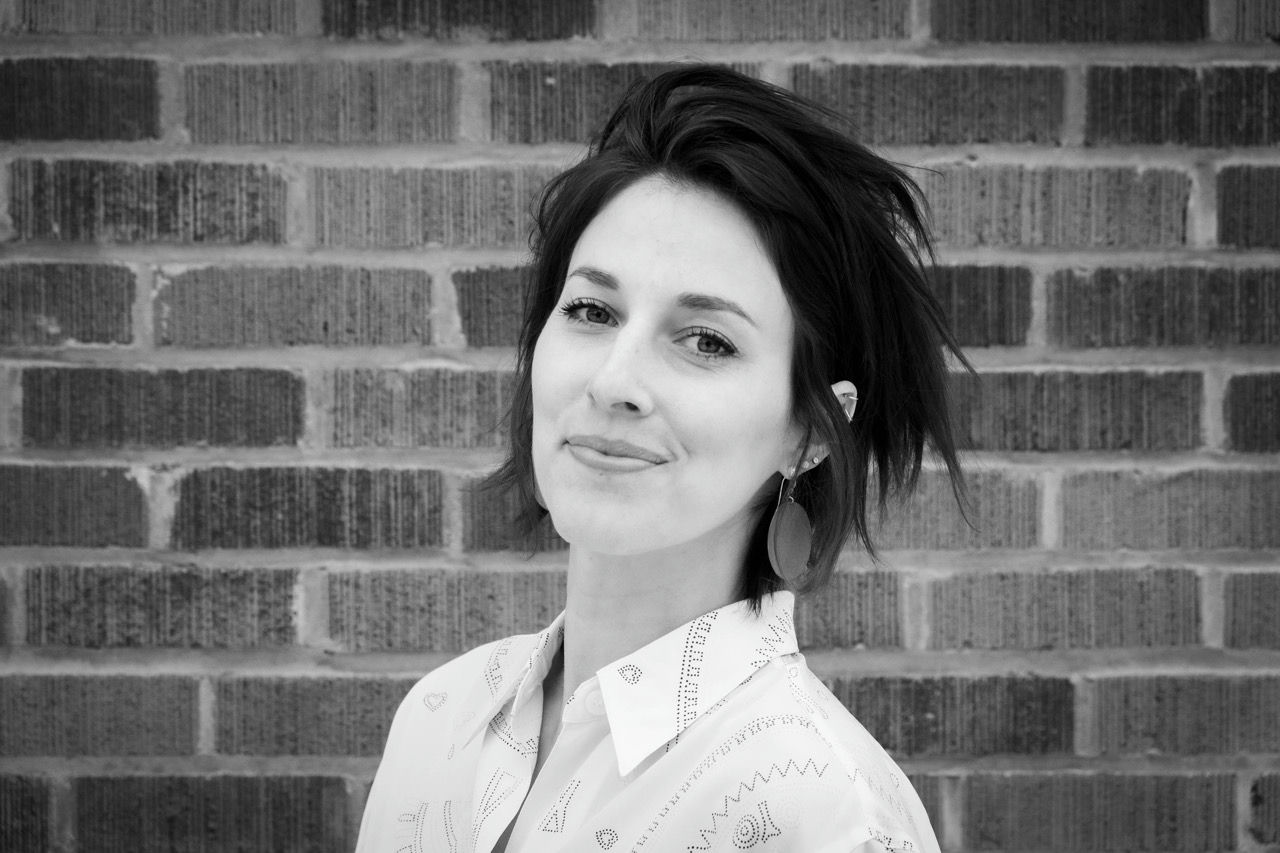
Department of Design for Stage and Film, New York University
Graduated 2025
IG: @emilytucker.creative
Website: www.emilynicoletucker.com
Focus on learning new skills alongside collaborators and peers.
Exposure to all of the vast knowledge of experienced production designers is immeasurably valuable, but so is the intensive period of time to focus on design and learning new skills. In film school, you’re forged in the fires of no-budget shorts, learning from other people’s mistakes and being able to walk that path alongside not just a cohort of fellow designers but directors and other collaborators. Growing together is such a gift.
Be an information sponge.
Put yourself in as many rooms as possible. I came out of school trying to stay open and pursue as much paid work as possible while following my heart in design. That led me down a couple different paths. One was I started volunteering for the PDC, which was an incredible opportunity. I felt like I was learning from so many incredible designers all the time. Designers are imparting knowledge in this consistent slow drip, so just being around those people, you’re always absorbing information. Listening to all the panels and wonderful events was really informative.
Photograph your set.
At the early level where things are moving really fast, it’s a really small project and you don’t have a big team, just get the photos of your set before they start filming.
Make friends with whatever assistant is there, explain you’re dressing this corner and ask them if they would mind getting a wide of it. These things might go to a festival, and you might never see great stills from the film unless you’re personally harassing the cinematographer.
Always get images of whatever you can of your work when you’re starting out because you will only have a few projects. You need some good shots of all of those projects.
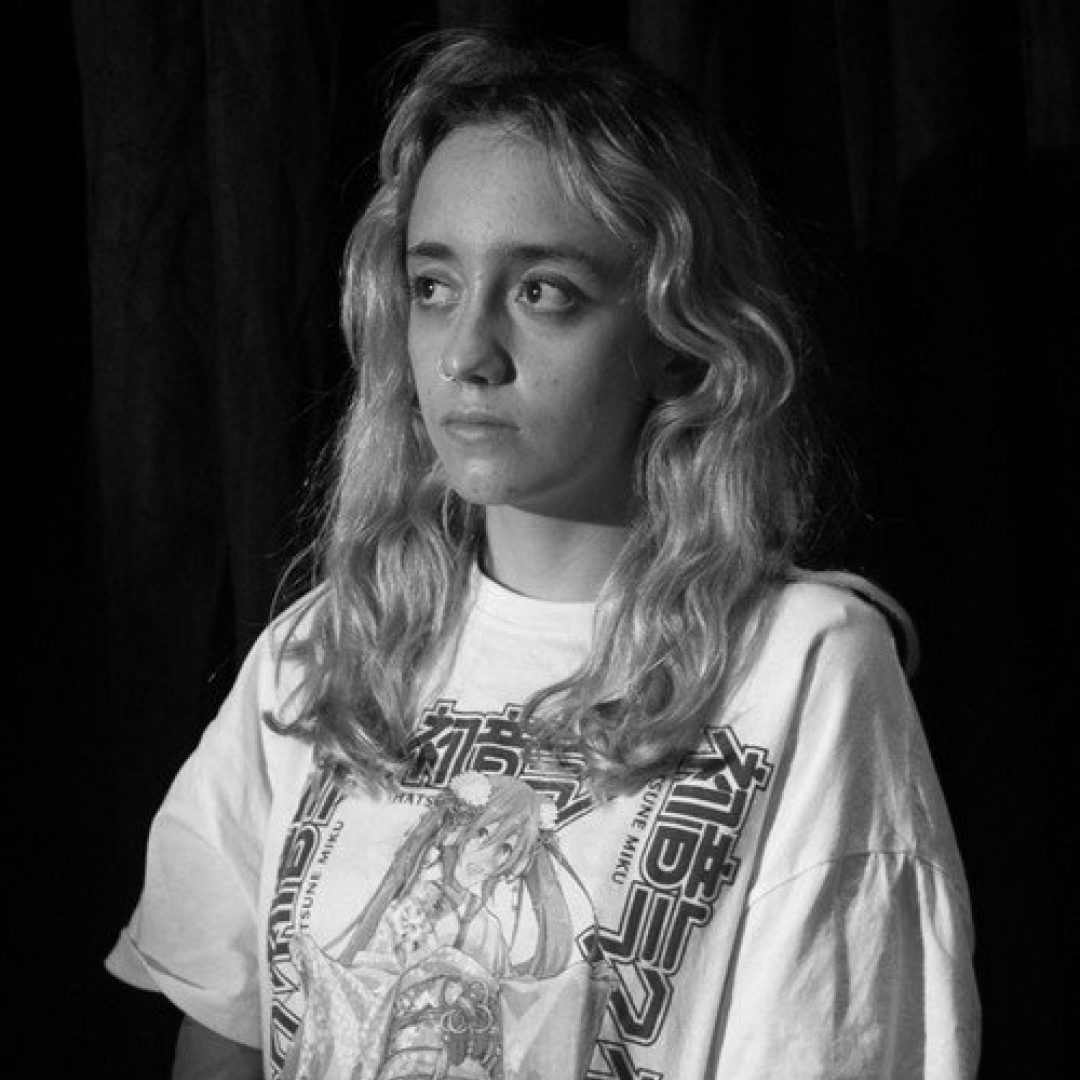
Escuela Nacional de Artes Cinematográficas, UNAM
Graduated 2023
IG: @anavictoriacine
Get to know the vocabulary of filmmaking.
What helped me the most was to get to know the lingo and how the camera moves. What are the potential camera angles? What is the role of an art director, and what are the logistics of how the art department works? In school, I got to practice it with my colleagues in a space where you can mess up. It showed me how I could free my creativity to think outside the box and understand the philosophical side of filmmaking.
Apply to festival programs.
Festivals helped me break through. I started looking for opportunities to network with more production designers through Guadalajara talents at Berlinale. The program was a great opportunity to network with emerging producers.
Leverage your network to build your portfolio.
if you don’t have things to show, make them with your friends and a camera. Sometimes when you’re starting out of school, you don’t really have the portfolio or things to show in your demo reel. You have to build your portfolio, and sometimes you have to make that investment of time and of money if you want to show your creative voice.
We reached out to a friend that has a coffee shop, and pitched an ad to him meant to attract people to their coffee shop. That helped us because other coffee shops then contacted us to say we want you to make our new ad.
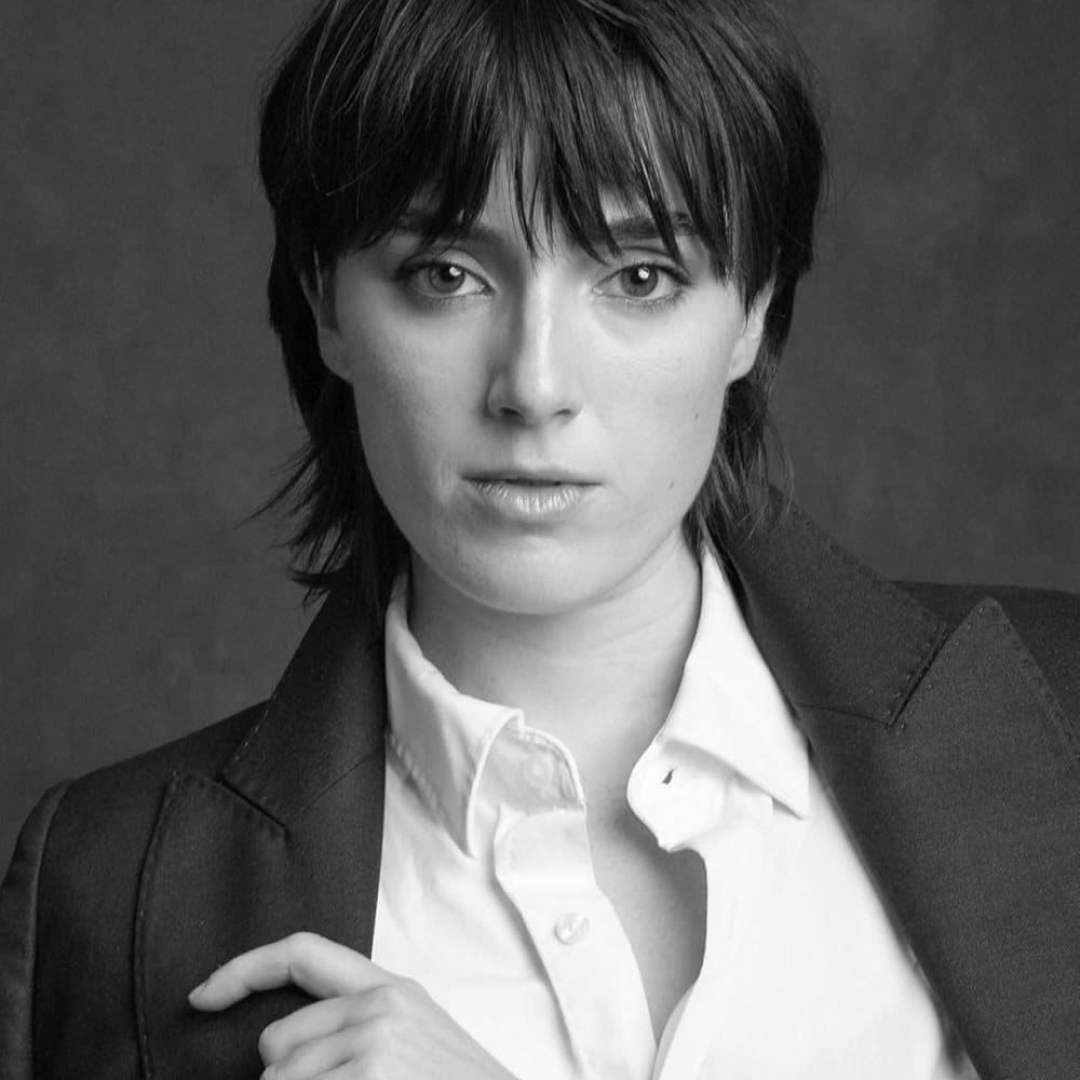
University of Southern California School of Cinematic Arts
Graduated 2022
IG: @viviangray_
Website: www.viviangray.net
Practice modeling your designs.
I actually had COVID school. We ended up making a lot of white card models in our dingy college dorms over Zoom. It was much more focused on the basics of drafting, SketchUp and theory, which was incredibly valuable.
Modeling is an essential skill that helps me pitch jobs because people like seeing a render. They get a little giddy when they see it, even if you’re still thinking about the design. The fact that they see something right away that you can talk about that’s concrete is super helpful for jobs.
Showcase your work with social media and a portfolio website.
Your website landing page should have your favorite shots from each project just right there in a grid or however you think would look best. Immediately someone can pull that up, they’re getting a coffee, they’re on their phone and still instantly know exactly where to go. The practicality of that website approach is super helpful. The necessary evil of Instagram is also extremely important, despite all of the emotions that go with that.
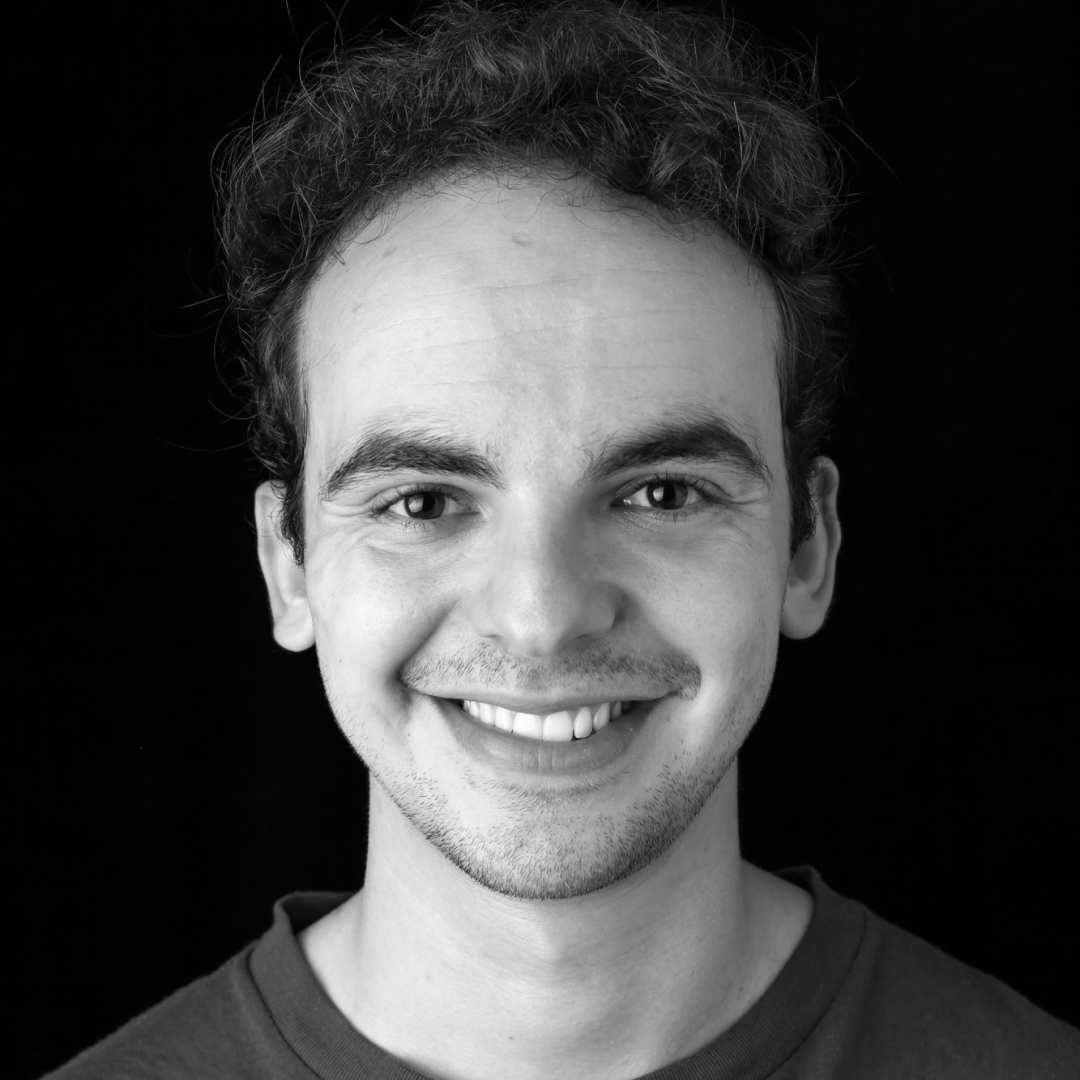
Master of Production Design, VCA, University of Melbourne
Graduated 2020
IG: @_danilloarantes
Reach out to designers and professionals in the industry.
One thing that I wish I had done more at the time was to actually get in touch with people in the industry that I wanted to be a part of before I finished school. After graduating, I wanted to go back to work in Brazil’s entertainment industry, and I discovered BRADA, a collective of Brazilian women who are production designers. I said, I’m just gonna go for it, and sent a bunch of emails to their members. A lot of the people that I still work with today are the people that I reached out at the time, so reach out as much as possible. If you find an email, just send the email. Don’t worry about it because people will be glad that you did.
Show what you can actually do.
When I came back to Brazil, I knew that I wanted to be in the bigger productions that were happening here instead of straight-up designing my own projects. The week I left Australia, I knew that Disney+ had a deal to shoot several projects in Brazil, so I tried to get to those people. I would tell them if they needed someone to do graphics or drafting, I would do that. The more they saw that I could do, the more they started hiring me.
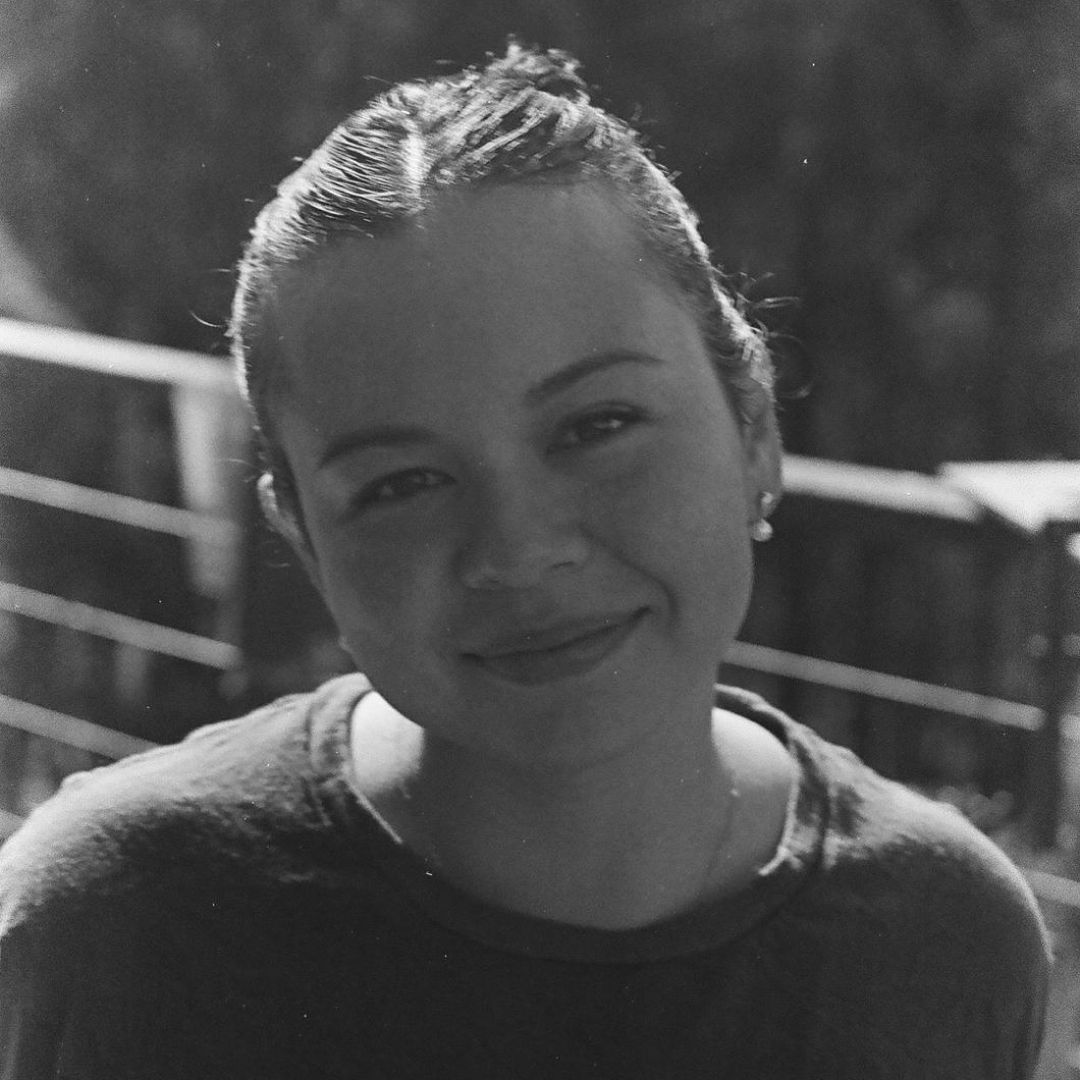
MAS Production design at the Australian Film Television and Radio School
Graduated 2023
IG: @abbeylings
Website: abbeylings.com
Devote time to building practical skills.
Spend more time practicing hard skills like budgeting, breakdowns, software and drafting. Once you’re out in the industry, sometimes you won’t have time to upskill as much, so try to carve out time as a student to develop technical skills. If I were a student again, I would spend more time practicing hard skills.
Design as much as you can.
Put yourself in a position where you can leverage as much opportunity as you can, as opposed to trying to get the biggest paycheck right away.
What I ended up doing was separating my income from my desired career. I took the path of doing odd jobs so that I could keep designing for emerging filmmakers who I believed in while practicing design skills over and over again. It was a risk, and there were many times I doubted that decision, but it put me in a community of emerging filmmakers who are telling what I feel are important stories and are starting to be given the budgets they need to tell those stories on gradually bigger projects.