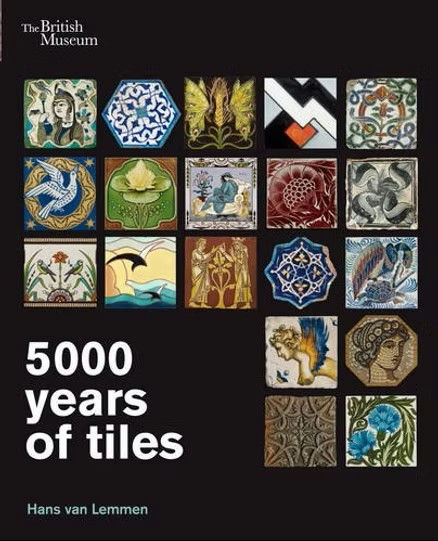
Hans Van Lemmen, 2013
It was really tough to get into film then so I eventually found my way into designing music videos and quite quickly into designing TV commercials. This was a great environment to hone other skills such as pitching, researching and reference, budgeting, logistics and planning, presenting and lots and lots of meetings. I also got to sit in on a lot of post-production at the time, and began to learn more and more about VFX. Drawing was always there but I was finding that I was using it less and less, and felt that one in ten jobs was a real design job for me.
I worked on a new portfolio and got a break on "World War Z" (with PD Nigel Phelps and SAD John Billington) as a concept artist.
Eventually I started working as a concept designer in films, really using my drawing and design skills to develop concepts, set and environment designs, all with a view that I knew how to get them made as well.
This was something that proved useful when I met Neil Lamont, who was Stuart Craig’s supervising art director on all the "Harry Potter" films, when he was crewing up for Oliver Scholl on "All You Need is Kill/Edge of Tomorrow". Neil has been extremely generous over the years with his knowledge and insights into the art department and filmmaking, and also gave me the space to draw and could see the value in it.
For may years now I’ve had a digital set-up (Mac and Cintiq) and an analogue set-up: drawing board covered in pens and paper, I find bouncing between them helps keep my attention going.
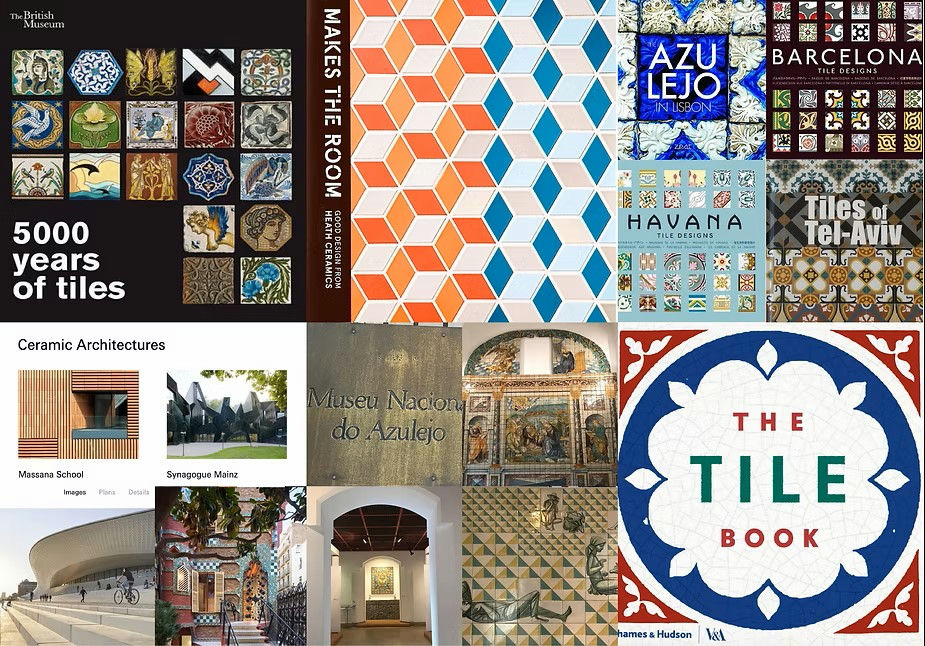
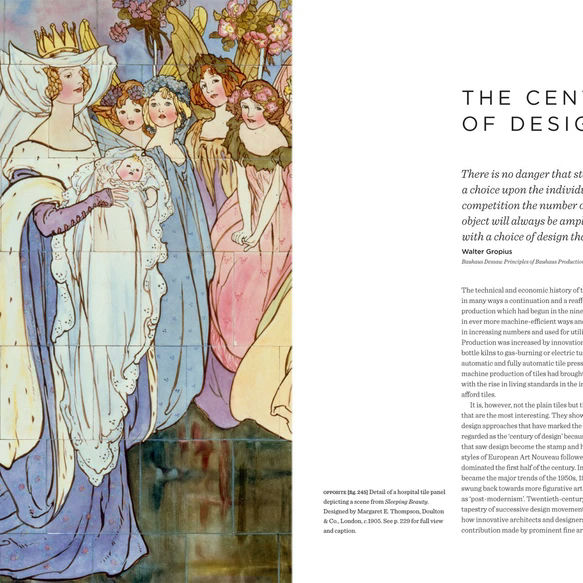
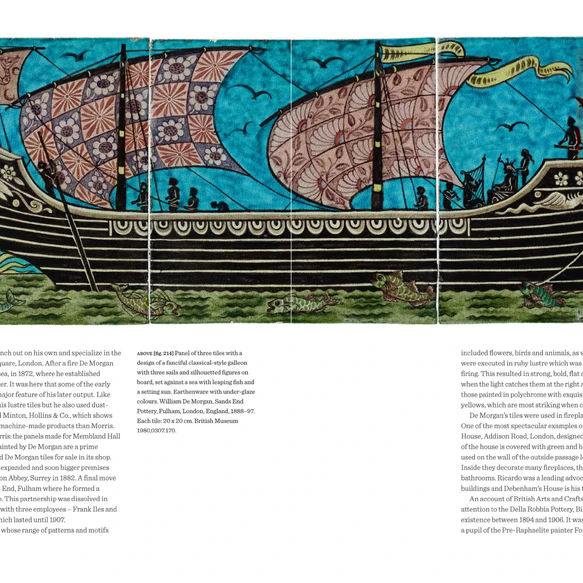
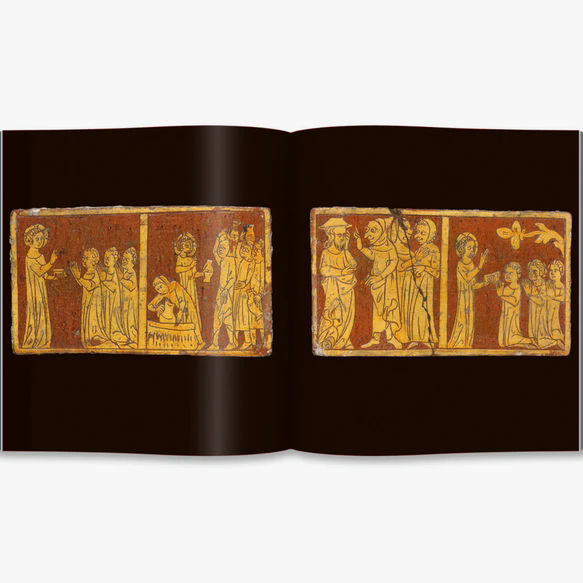
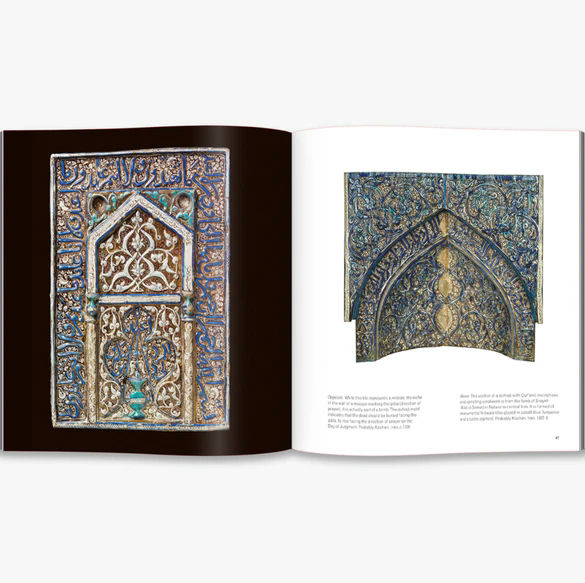
A comprehensive review of tile art and production worldwide, from earliest times to the present day. The book ranges from ancient Greece, where the first fired roof tiles date from as early as the third millennium BC, to twentieth-century Mexico. In between, it covers English medieval floor pavements, figural tiles from China, intended to adorn roofs and ward off evil; Iznik tiles from the Islamic world, ceramic tiles of the Arts and Crafts movement and the tiles created by some of the finest ceramic artists and potters of the twenty-first century.

V&A Museum, 2019
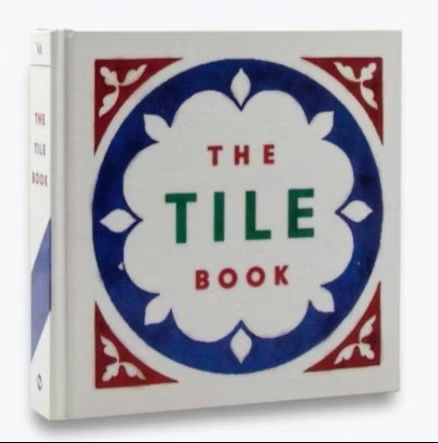
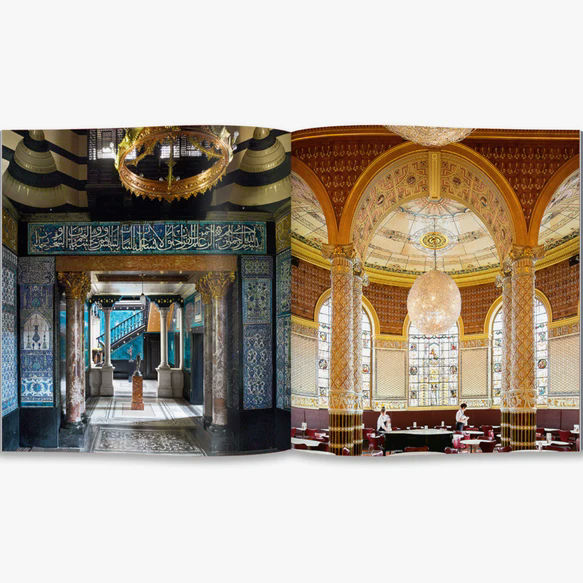
An introduction traces the little-known history of tiles, from their earliest mass production in Europe in the 13th century to today, and presents the development of different types of tile. This book, curated by award-winning studio Here Design, is organized chronologically and features tiles in every variety of shape, displaying each individual tile type, and often with its overall laid pattern. Tiles are also shown in situ around the world and at different periods in their remarkable history.
Heath Ceramics, 2015
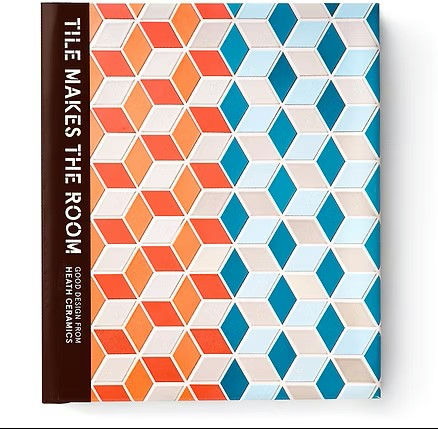
The book, written by the owners of famous tile company Heath Ceramics, explores tile’s role in good design, as seen through the work of leading designers and architects. Showcasing over 50 projects from around the world, from the dwellings of notable designers to everyday homeowners, grand installations and subtle designs, the writers highlight tile's role in the form and function of architecture and interiors.
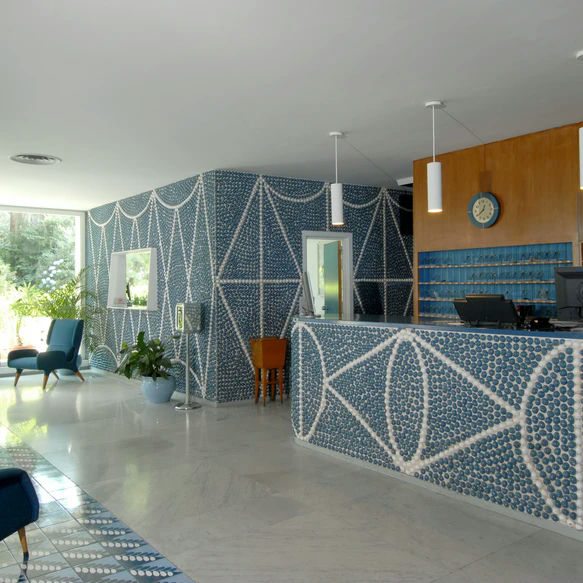
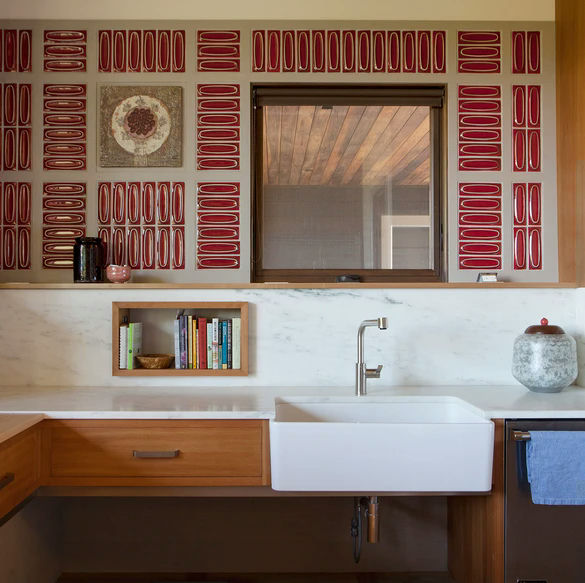
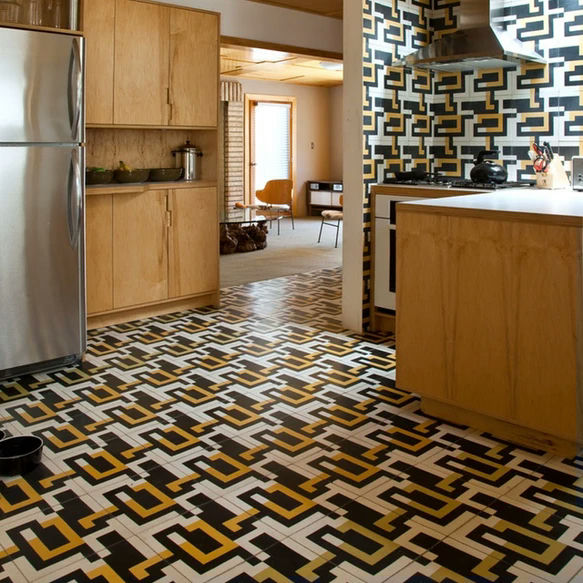
Various publications
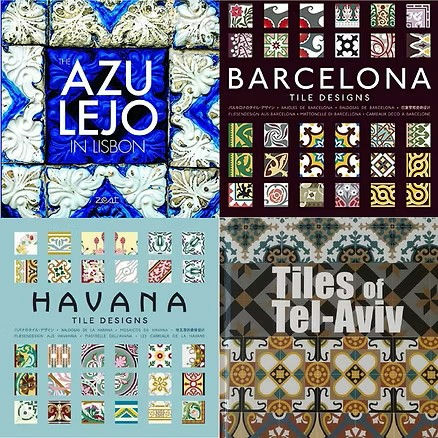
Many cities around the world boast colorful and diverse tile designs, which are celebrated in books dedicated to specific locales. From cities famous for their tiles such as Lisbon and Barcelona, to lesser known collections in unexpected places such as Tel Aviv and Havana, the following books document tile's international appeal.
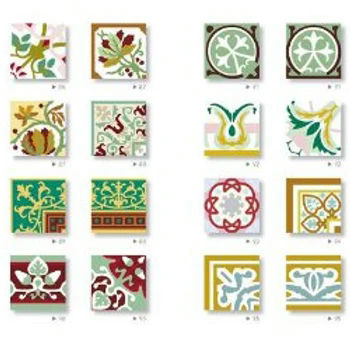
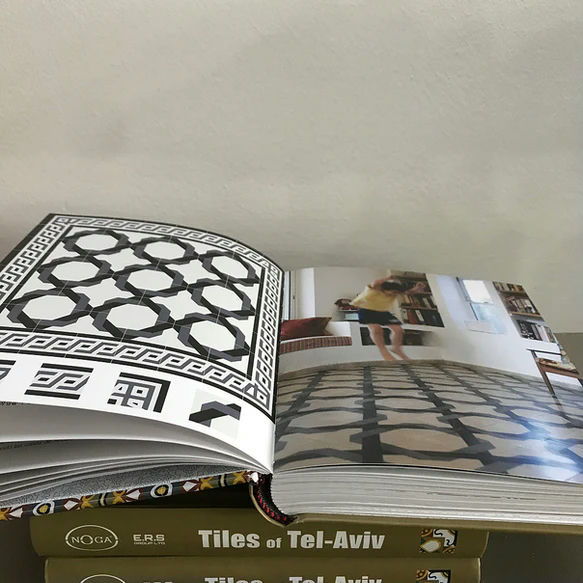
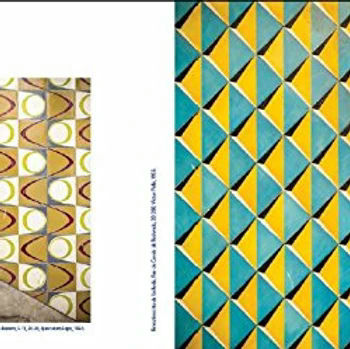

Ceramic Architectures is a digital platform whose aim is to develop a database specialized in building works where ceramics are used as a main material in the design. The website is an initiative of the Ceramics Chair of Valencia that studies the links between ceramic materials and architecture. It is aimed at technicians, students and researchers in the field of architecture and design, and was conceived as a dynamic channel of knowledge transfer between the productive and professional sectors to provide a solid basis of knowledge on the ceramics products used in architecture.
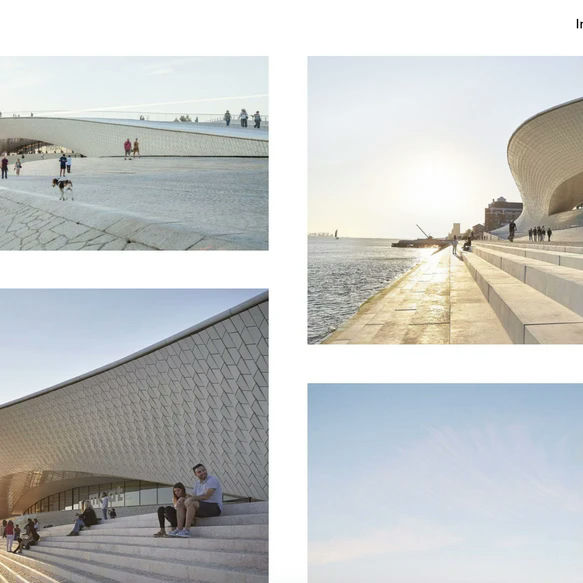

Lisbon
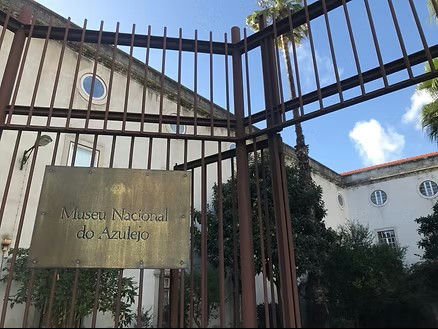
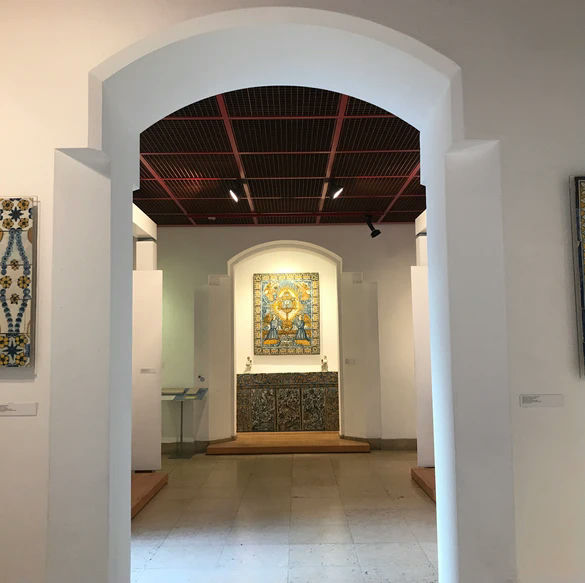
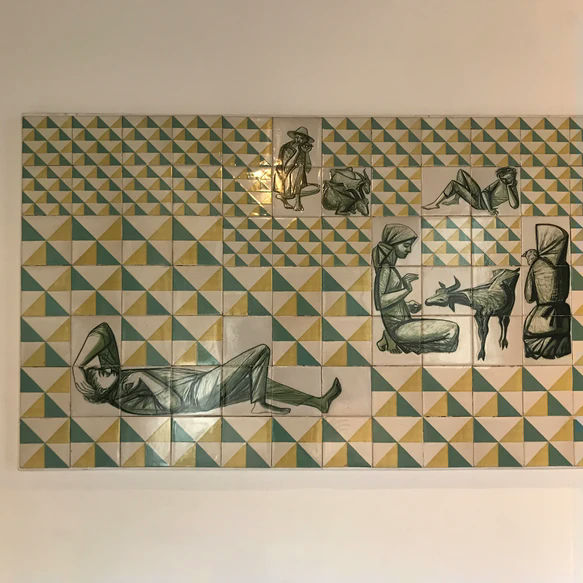
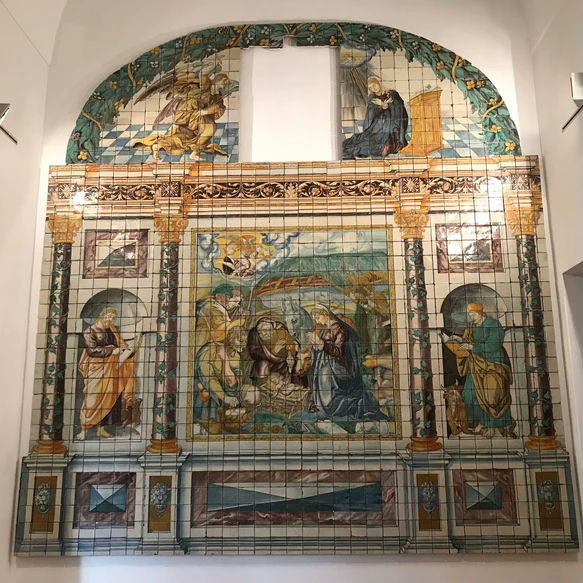
Museu Nacional do Azulejo showcases Portugal's history and design of ceramic tiles. Its collection dates from the 15th century to the present. The Museum is housed in the former Madre de Deus Convent, which is decorated in full Portuguese baroque splendor, with gilded and carved wood, paintings and tile panels.