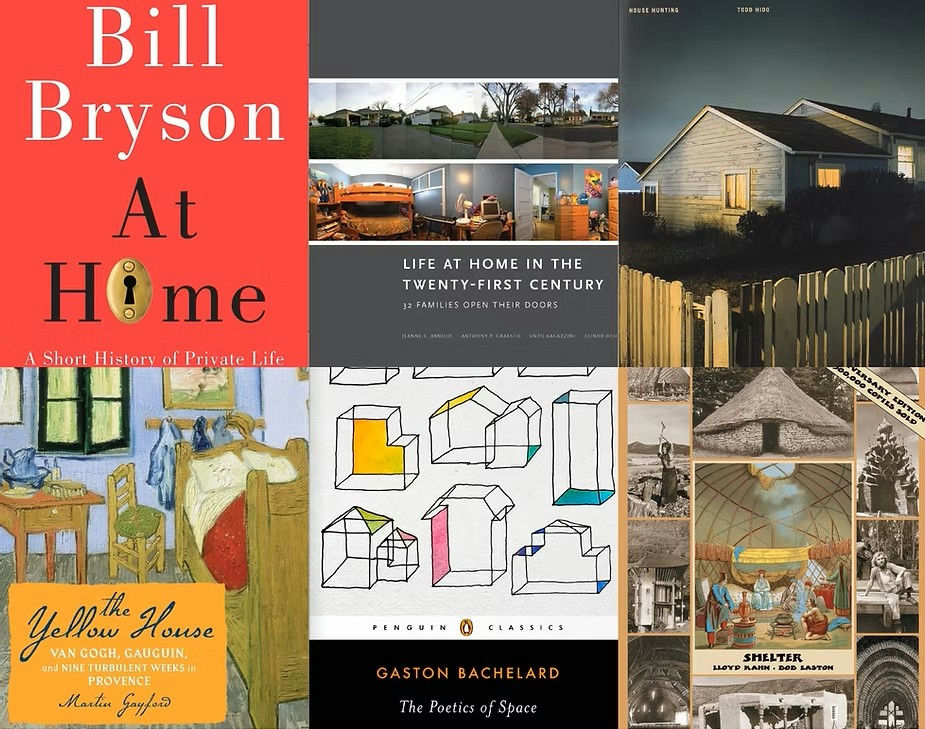
Bill Bryson, 2011
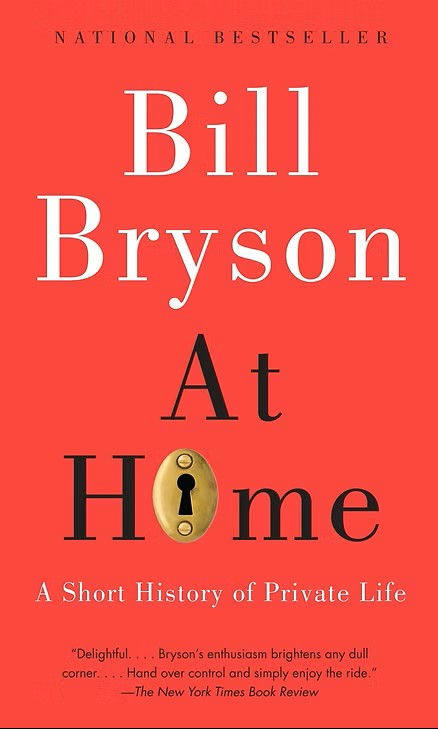
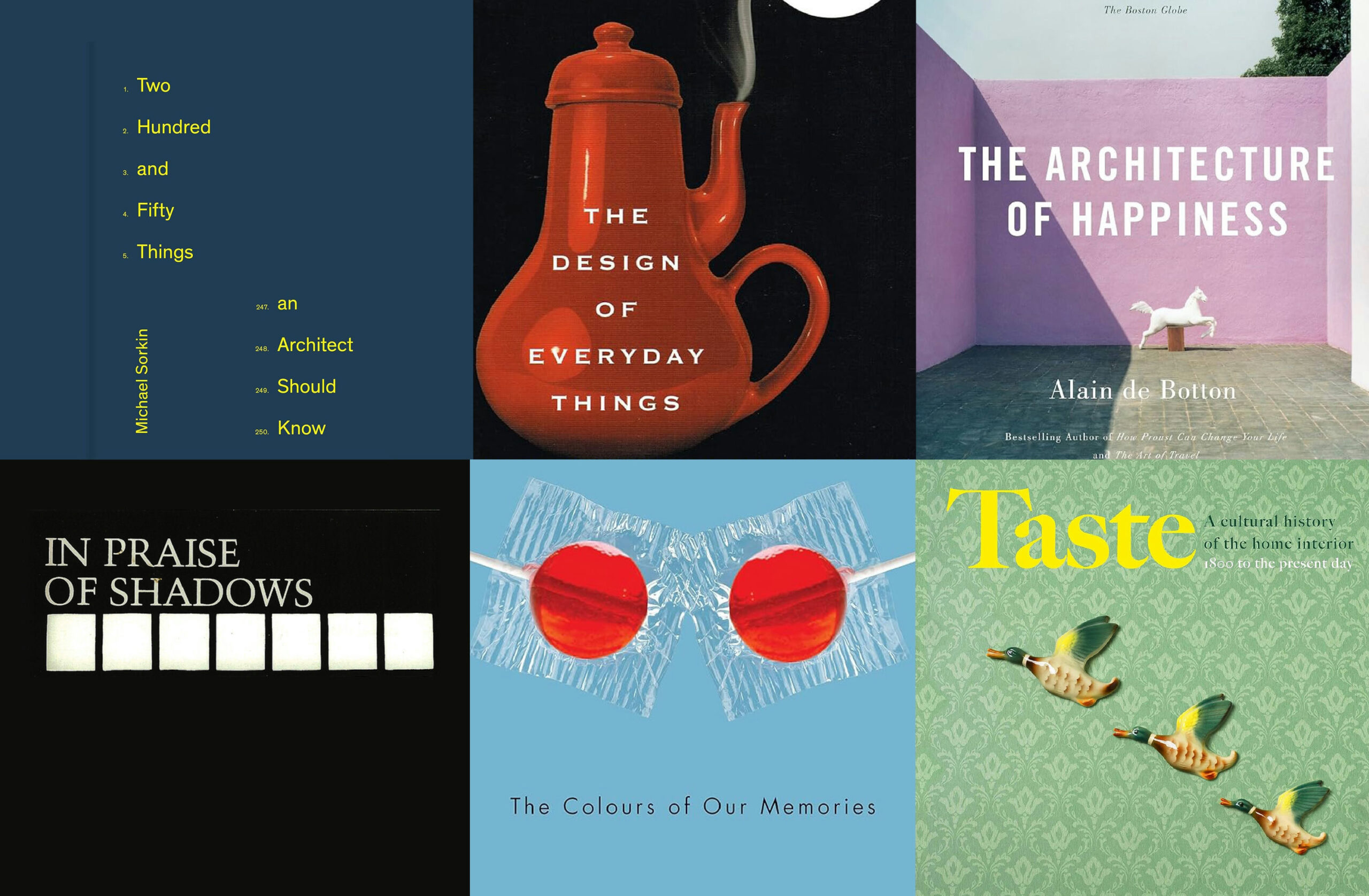
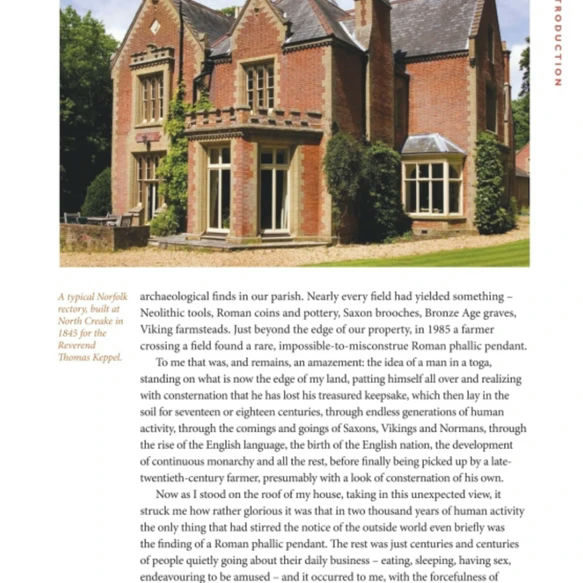
Author Bill Bryson uses his own home, an English Victorian parsonage, as a springboard to exploration - while journeying about his house from room to room, he decided to “write a history of the world without leaving home.” Bryson uses each room to explore the vast history of the domestic artifacts we take for granted and their larger context - the bathroom leads to a history of hygiene; the bedroom to sex, death, and sleep; the kitchen to nutrition and the spice trade, and so on.
Bryson is a master at turning the seemingly mundane into an occasion for the most diverting exposition imaginable. When you’ve finished this book, you will see your house—and your daily life—in a new and revelatory light.
Gaston Bachelard, 1958
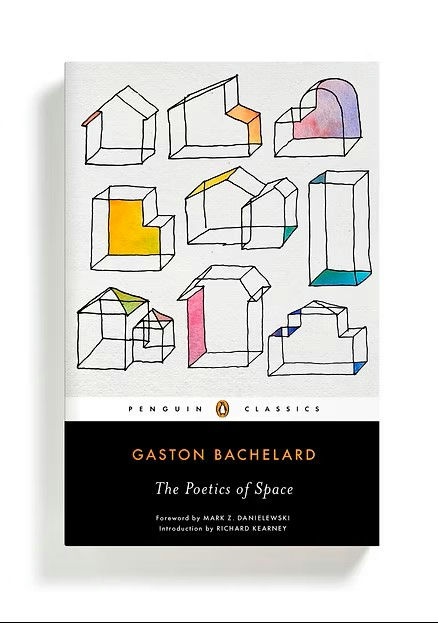
Philosopher Gaston Bachelard’s seminal work is a lyrical journey invoking the poetic image out of the intimate spaces of our homes. Guiding us through a stream of meditations on poetry, art, and the blooming of consciousness itself, Bachelard examines the domestic places that shape and hold our dreams and memories. Houses and rooms; cellars and attics; drawers, chests, and wardrobes; nests and shells; nooks and corners: No space is too vast or too small to be filled by our thoughts and our reveries. In Bachelard’s enchanting spaces, “We are never real historians, but always near poets, and our emotion is perhaps nothing but an expression of a poetry that was lost.”
Lloyd Kahn and Bob Easton, 1973
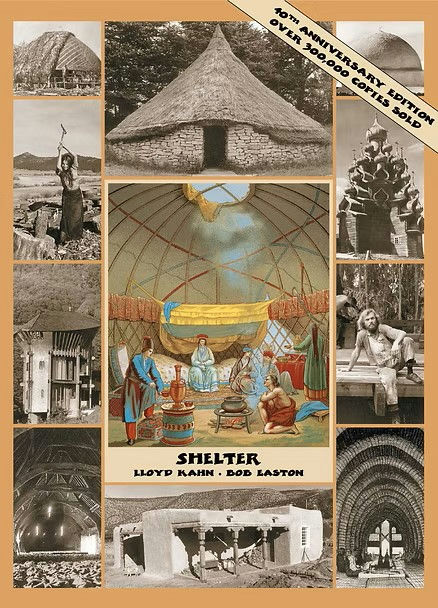
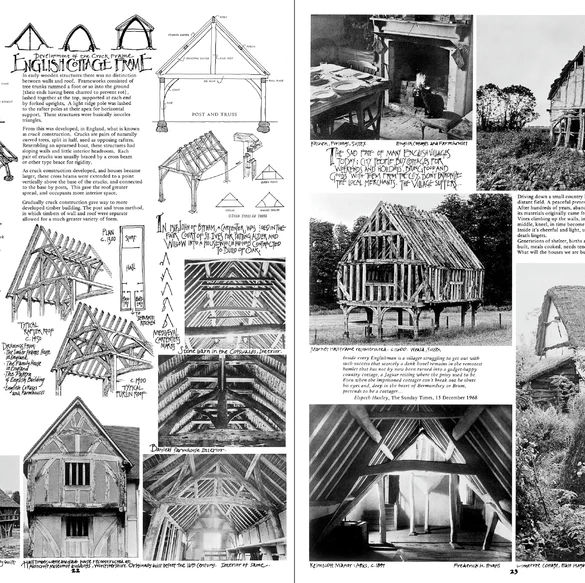
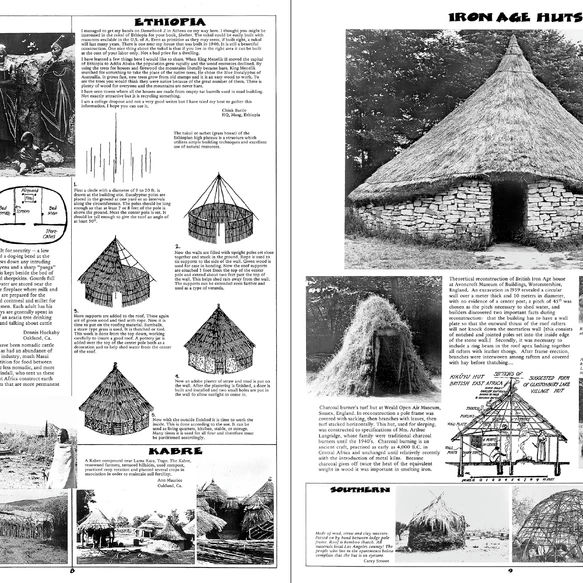
Before the Tiny House movement and Cabin Porn, there was Shelter. Written and designed in the spirit of 1960s counterculture, Shelter is a classic celebrating the imagination, resourcefulness, and exuberance of human habitat. It includes a history of shelter and the evolution of building types: tents, yurts, timber buildings, barns, small homes, domes, etc. There is a section on building materials, including heavy timber construction and stud framing, as well as stone, straw bale, adobe, plaster, and bamboo. Forward-thinking in its aim to connect society and nature, the book encourages the return to traditional building techniques and DIY home-making.

Martin Gayford, 2006
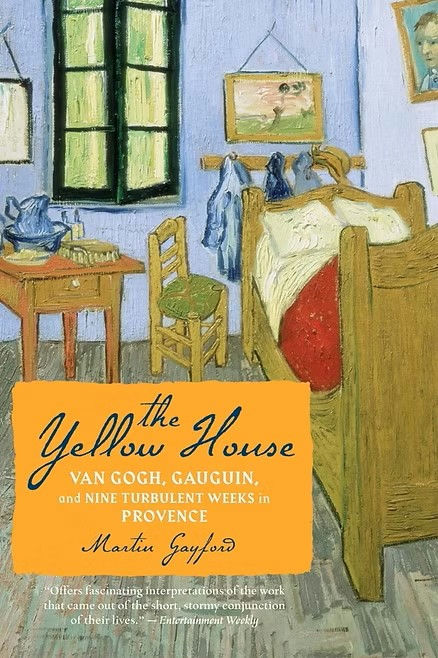
From October to December of 1888, Paul Gauguin shared a house in the south of France with Vincent van Gogh. Despite their mutual appreciation of each other's talents, their personalities differed greatly and the outcome of their living arrangement proved explosive. The book describes not only how the two artists painted and exchanged ideas, but also the texture of their everyday lives, down to the floorplan of the yellow house.
UCLA, 2012
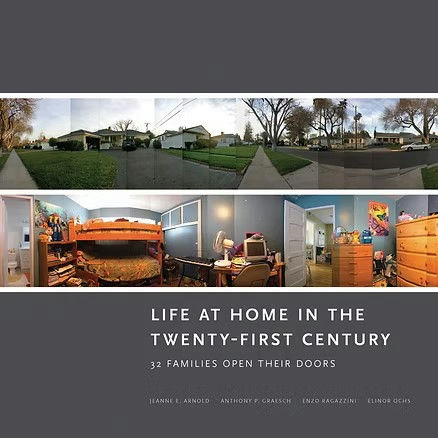
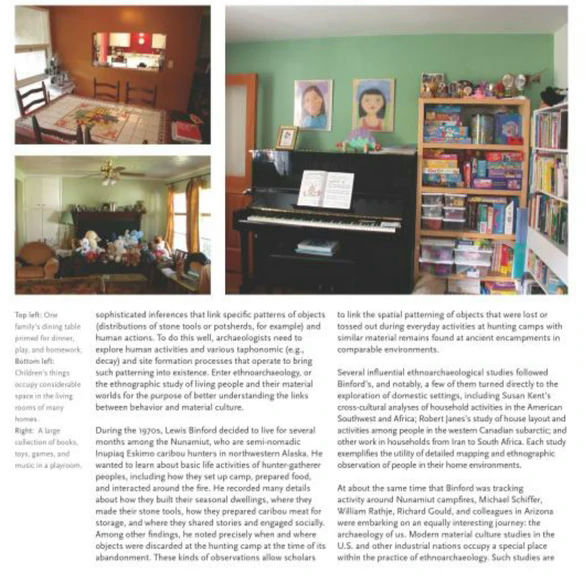
Based on a rigorous 9-year project at UCLA using archaeological approaches to human material culture, this book offers unprecedented access to the middle-class American home through the kaleidoscopic lens of no-limits photography and many kinds of never-before acquired data about how people actually live their lives at home.
The book intersects social history, consumerism, contemporary culture, the meaning of material culture, domestic architecture, and household ethnoarchaeology.
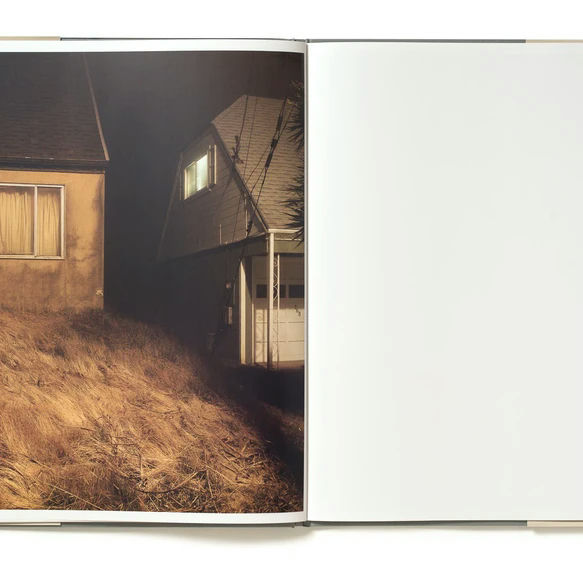
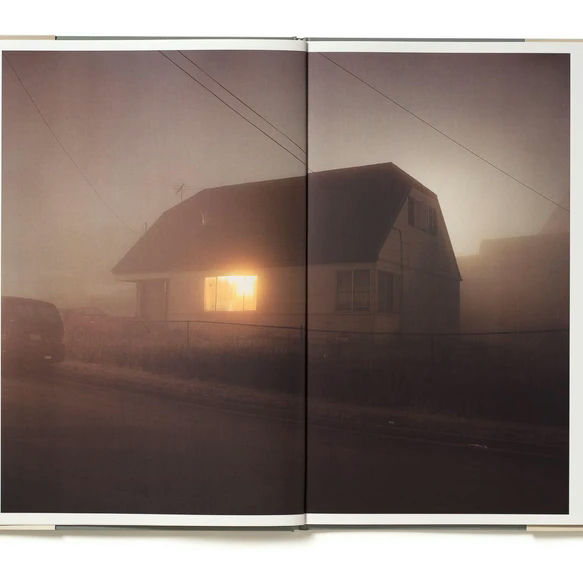
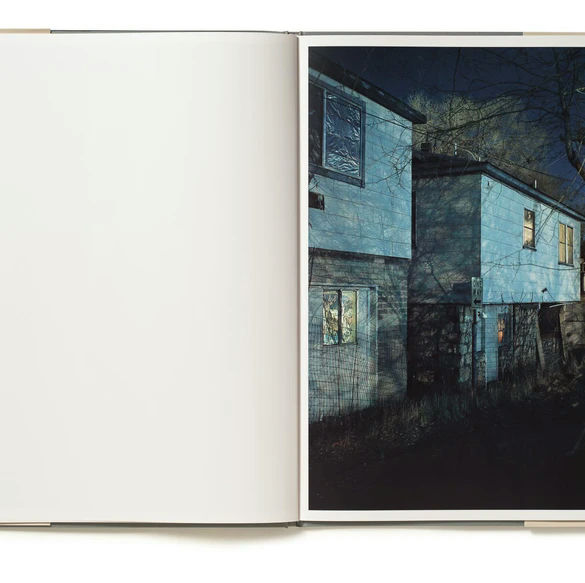
Todd Hido, 2001
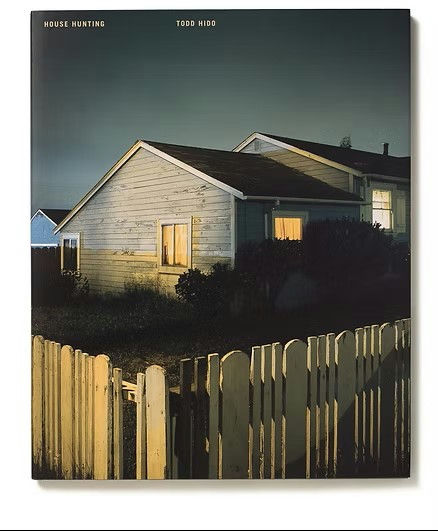
Photographer Todd Hido presents large color photographs of suburban homes at night, radiating contrasts of warmth and cold, loneliness and comfort, dark and light. ‘I take photographs of houses at night because I wonder about the families inside them,’ Hido says. ‘I wonder about how people live, and the act of taking that photograph is a meditation.’