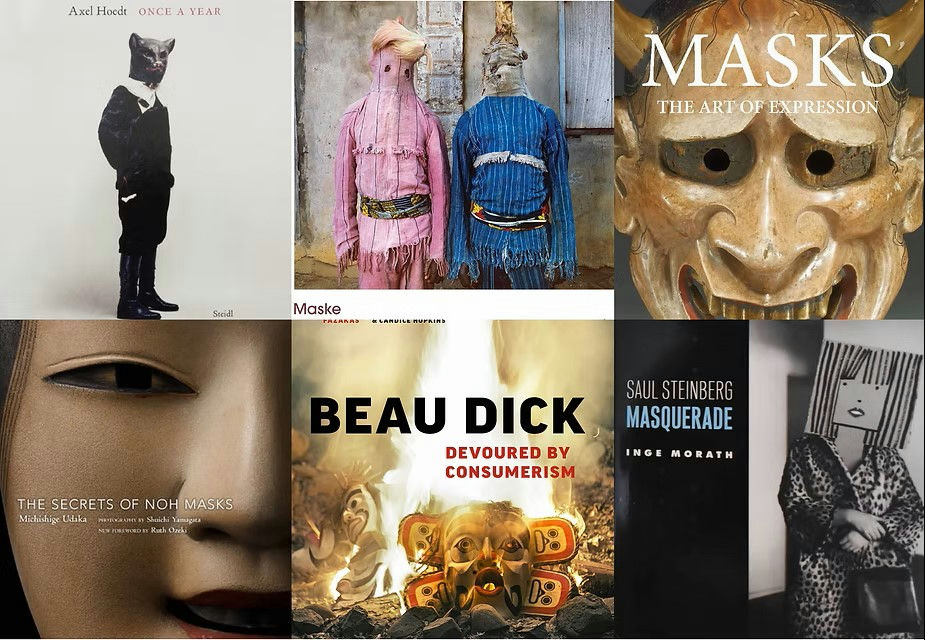
John Mack, 2013
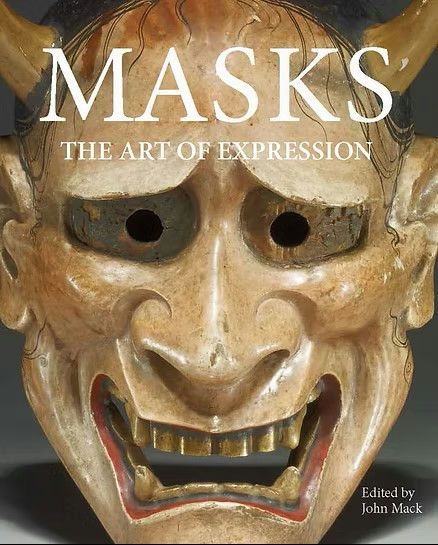
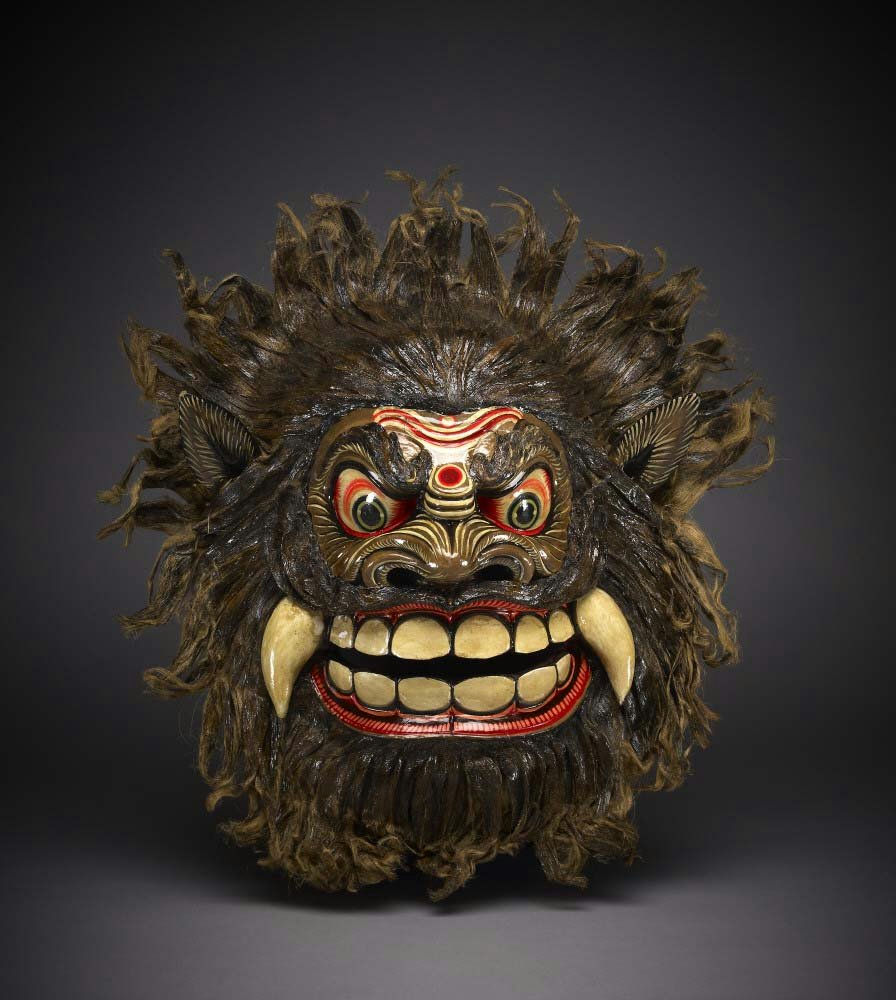
John Mack, a Professor of World Art Studies, brings together eight leading experts to explore the stories of masks across ancient and modern civilizations in a fascinating survey of their meaning and power. Illustrated with an array of masks from the British Museum and beyond, the book provides insight into masking rituals and traditions from around the world.
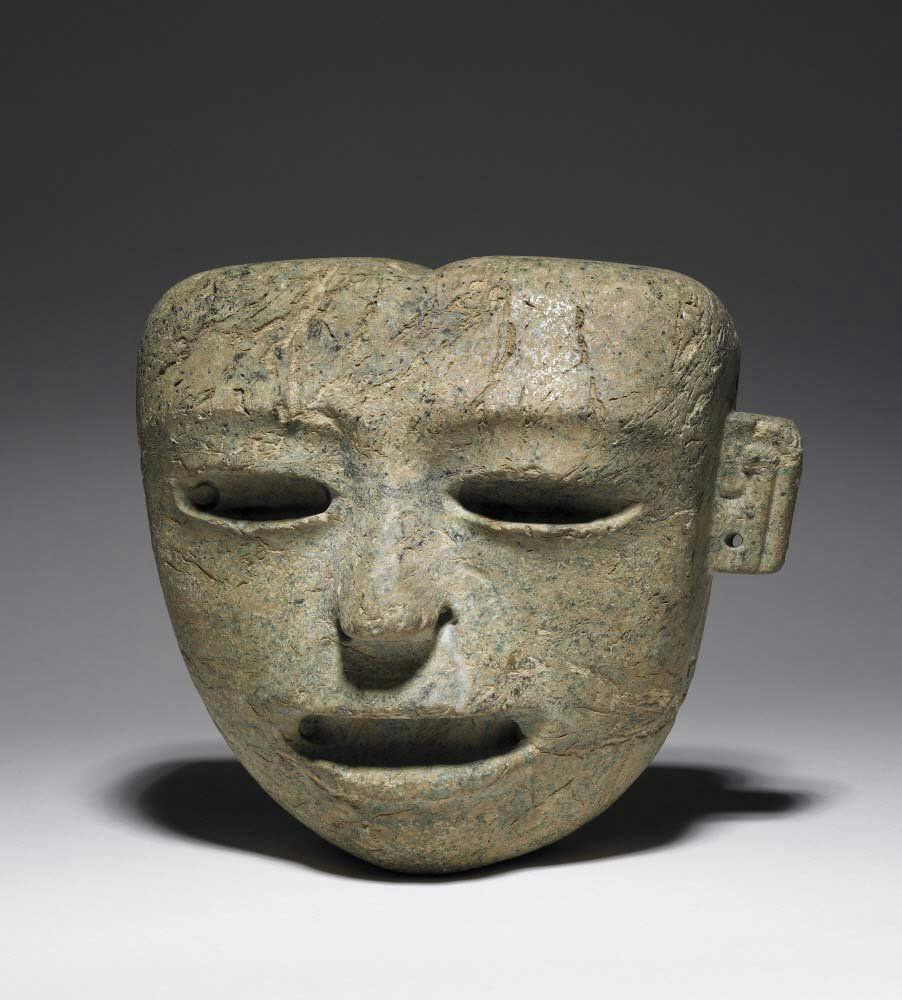
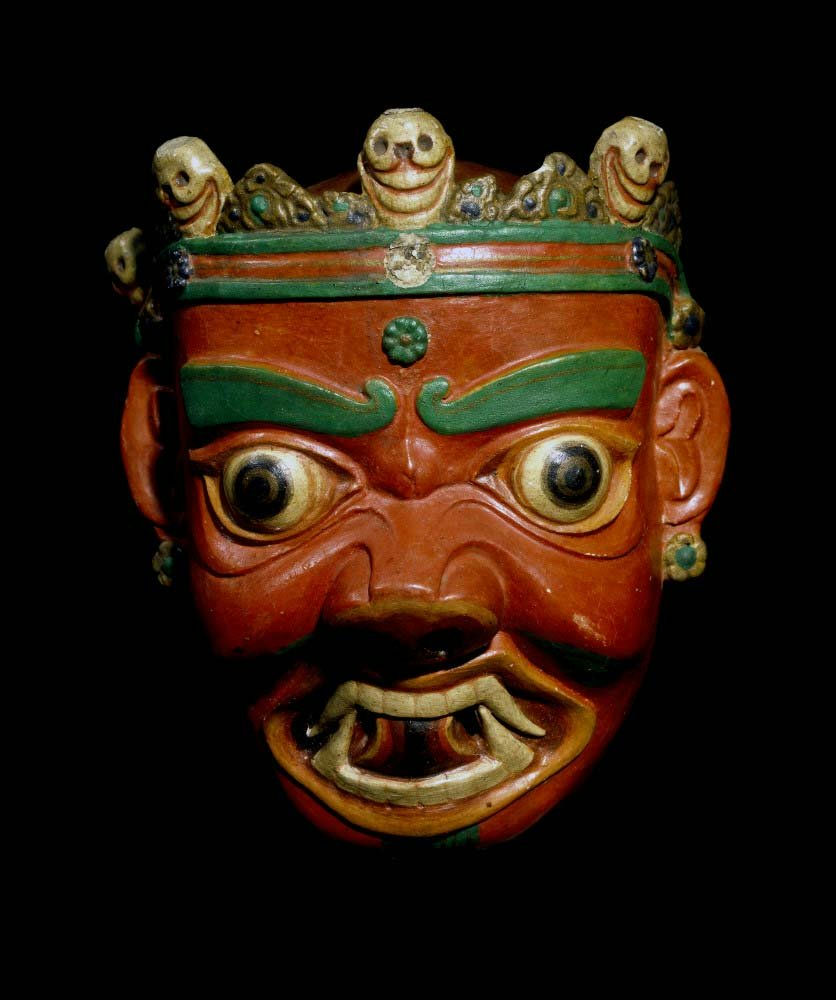
Phyllis Galembo, 2016
My original training was in set and costume design for theater and that experience has shaped my design approach to everything I have done subsequently. Costume design in particular trained my eye for texture and color, skills I use every day in my current work.
And I am constantly inspired by the work of other designers, both past and present. The deceptively simple lyricism of the sketches of William Cameron Menzies, John DeCuir Sr.’s startling and ravishing sense of color, the charm of Boris Levin’s work for West Side Story, the dynamism and strength of Ken Adams marker sketches for the Bond films and the work of so many of my contemporaries – all serve to spur me on to new ideas and approaches.
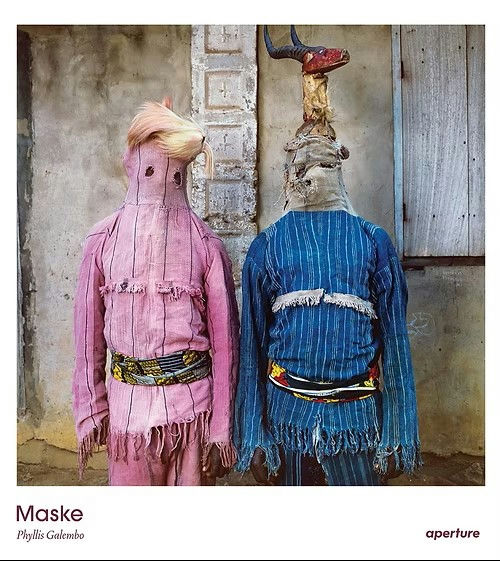
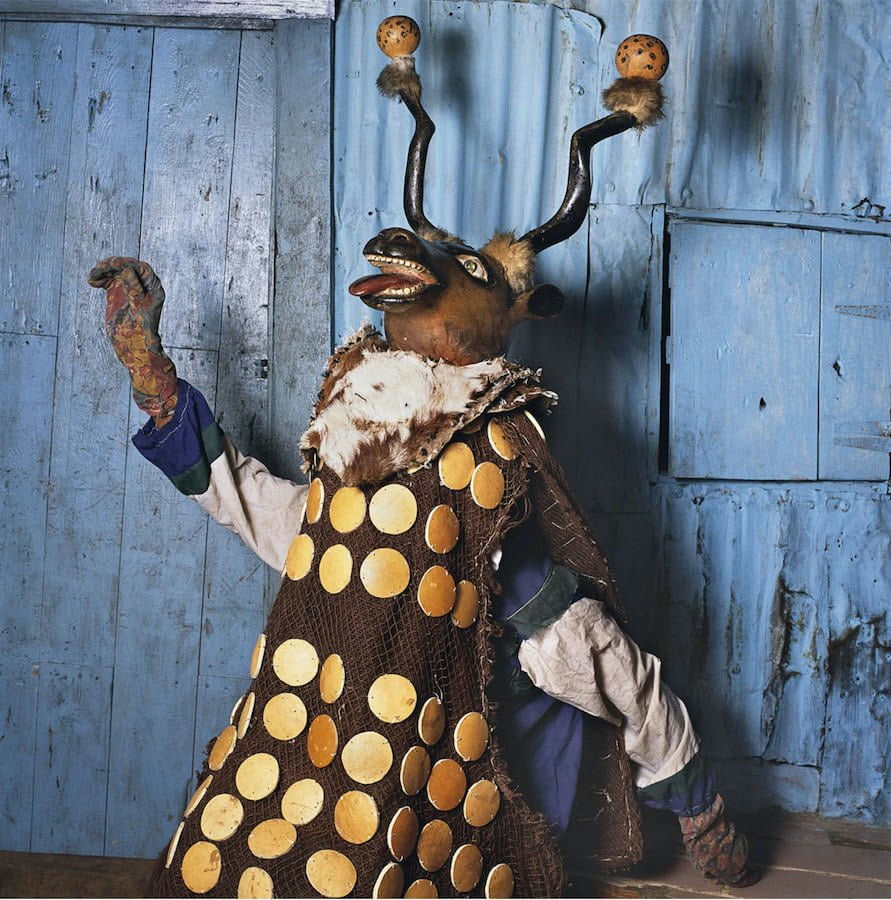
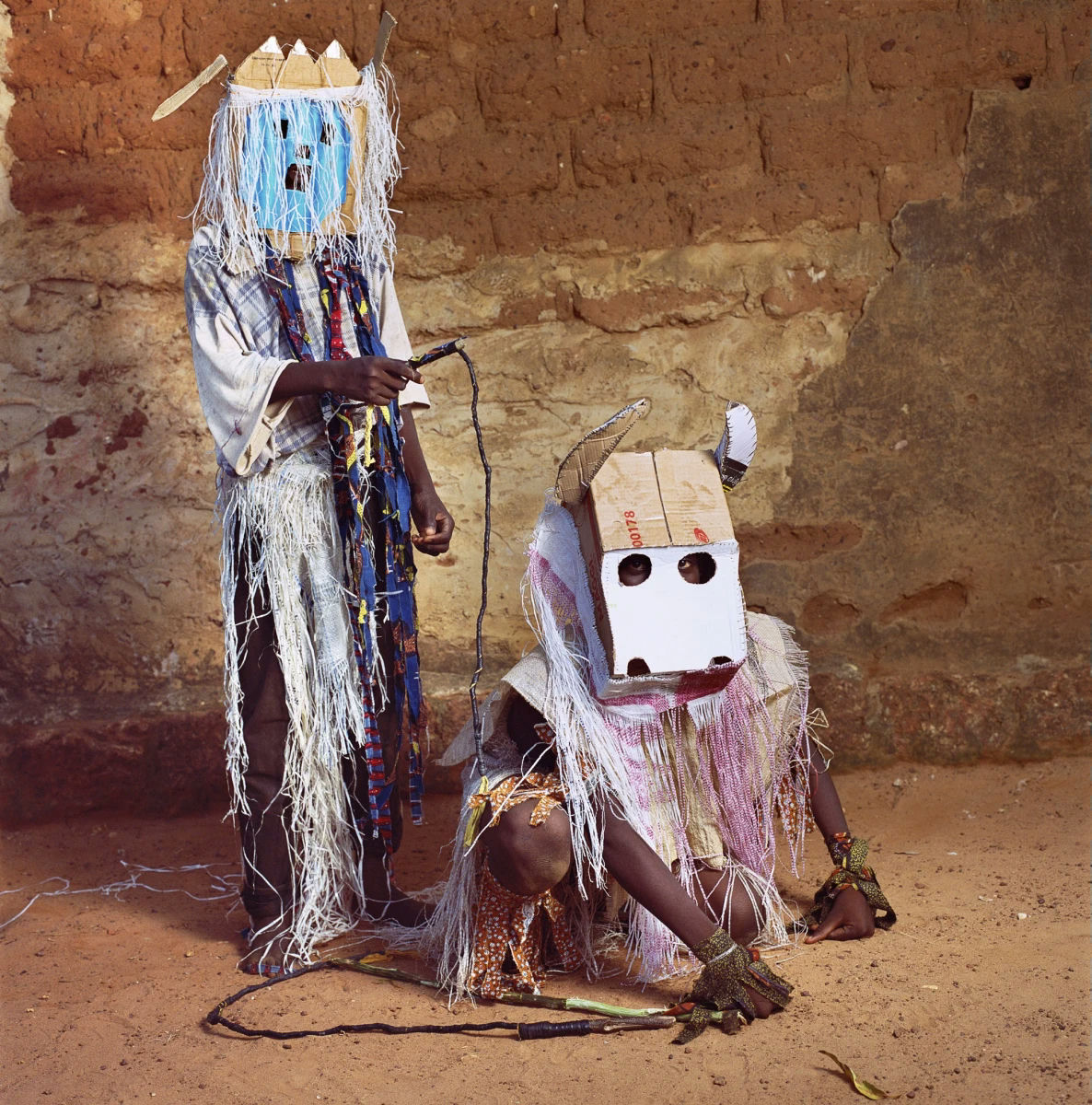
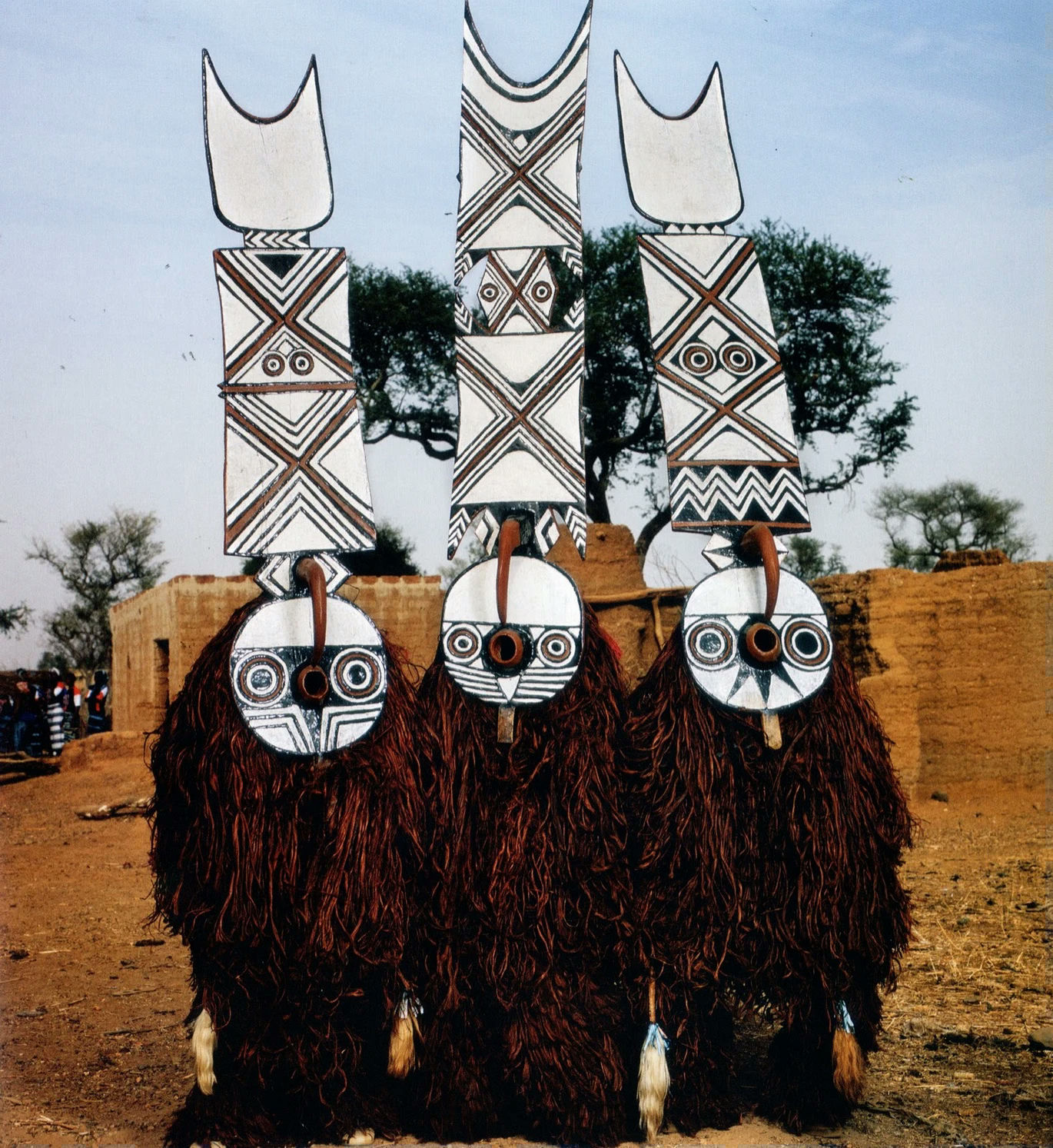
For over two decades, photographer Phyllis Galembo has documented cultural and religious traditions in Africa and the African Diaspora. Her subjects are participants in masquerade events who use costume, body paint and masks to create mythic characters. Sometimes entertaining and humorous, often dark and frightening, her portraits document and describe the transformative power of the mask. This book features a selection of more than 100 of the best of Galembo’s masquerade photographs to date, organized in country-based chapters, each with her own commentary.
Axel Hoedt, 2013
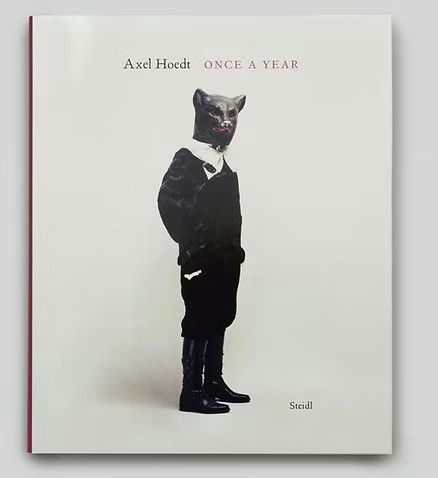
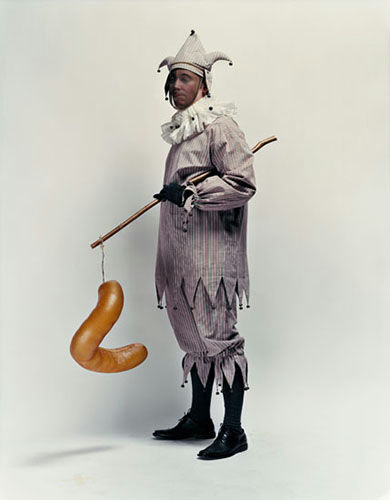
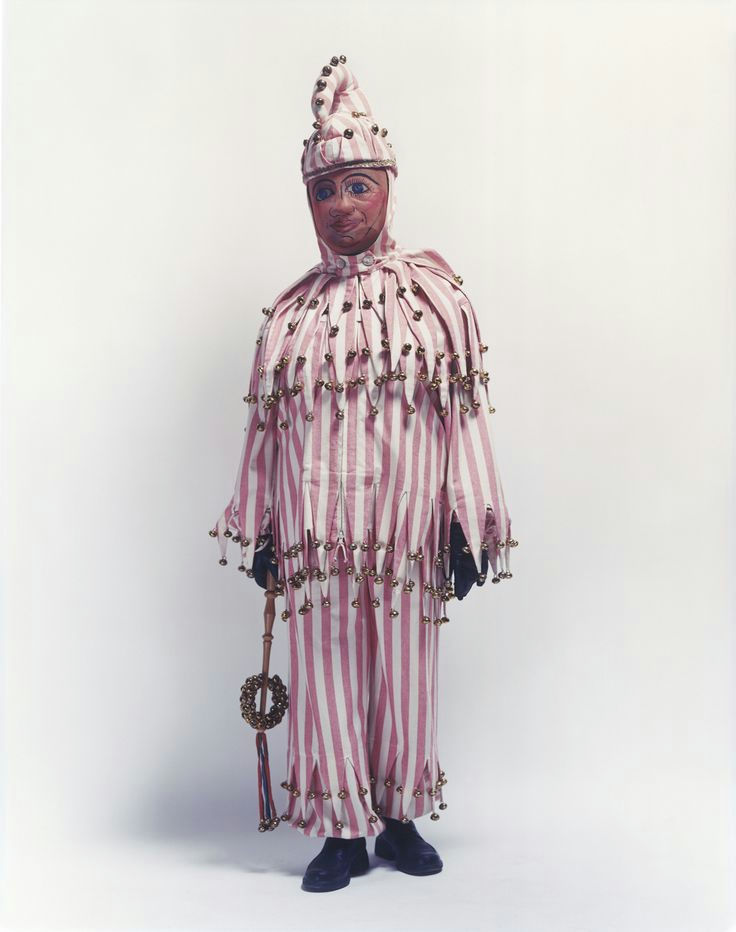
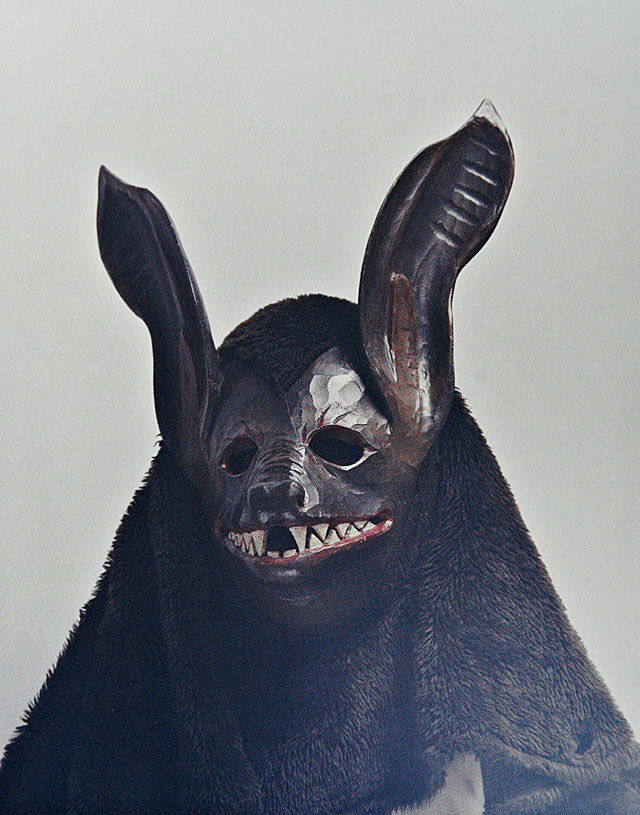
The fashion and portrait photographer Axel Hoedt documents revelers during carnival in south-western Germany, and highlights the elaborate and lavish costumes of the Swabian-Alemannic tradition.
Hoedt photographs his subjects in isolation, removing them from the joyous atmosphere they were meant to inhabit. The result is an elegant - if haunting - picture of ancient European custom in our contemporary world.
Saul Steinberg and Inge Morath, 2000
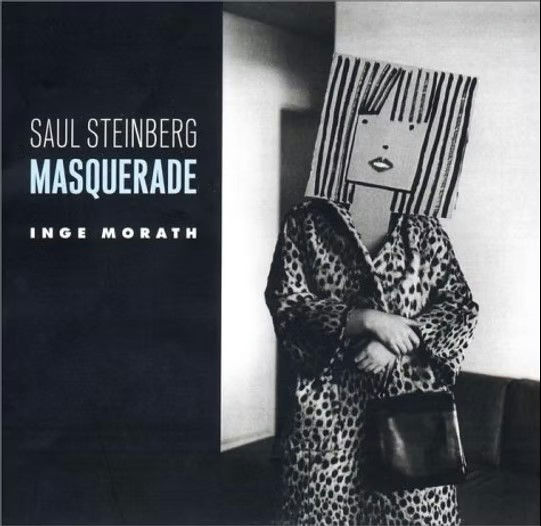
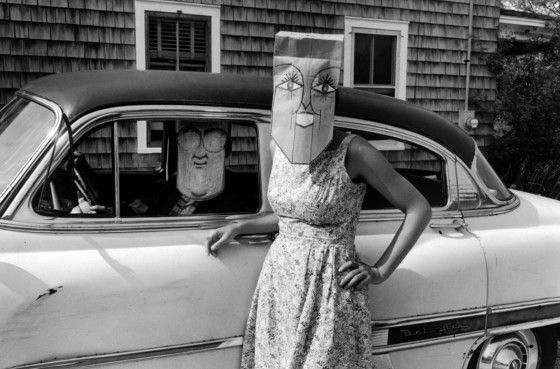
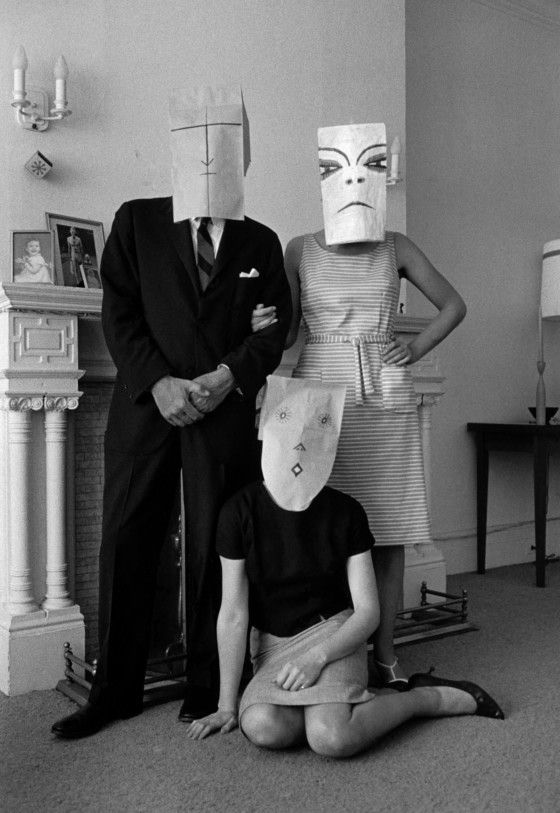
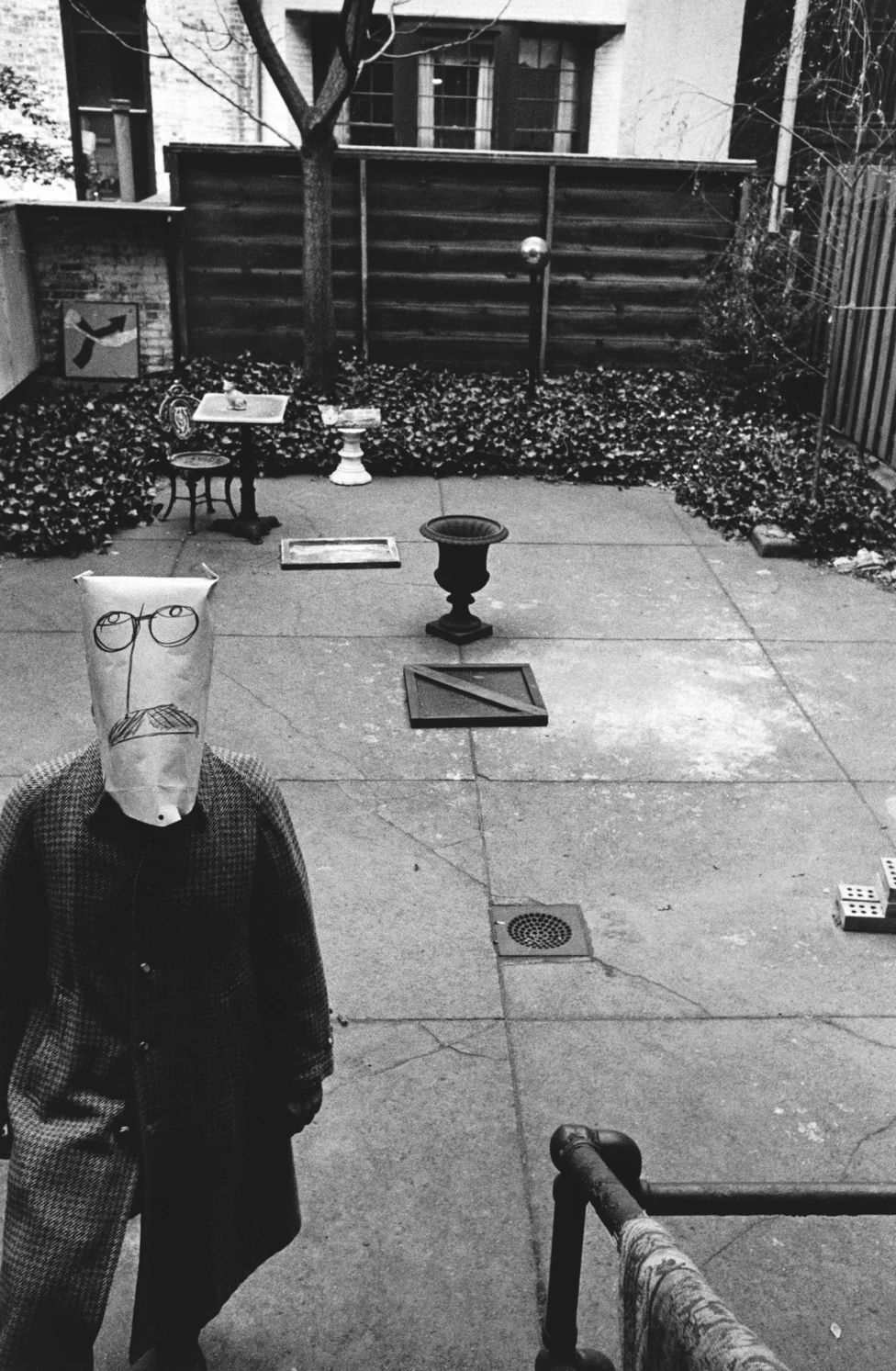
Magnum photographer Inge Morath met artist Saul Steinberg in New York in 1956. "I rang the bell and Saul Steinberg came out wearing over his head a paper bag on which he had drawn a self-portrait.”
The meeting resulted in a collaboration often referred to as the “Mask Series”, portraying a range of figures wearing various cardboard box and paper bag masks created by Steinberg. The earliest pictures begin with Steinberg in his own apartment, simply modeling masks that reflect variations of his own alter-ego. But gradually, as Steinberg’s masks developed and evolved over the years Morath’s photographs also became more dynamic and improvisational.
“The mask,” Steinberg wrote, “is a protection against revelation.”
LaTiesha Fazakas, 2019
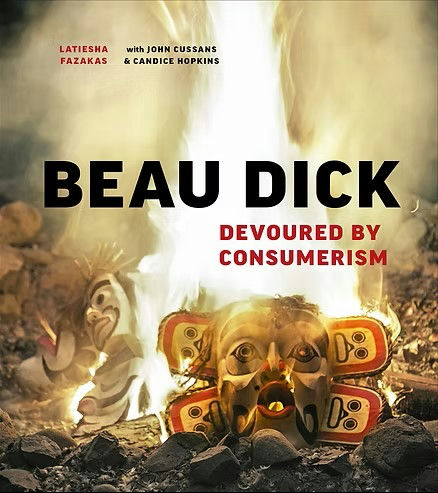
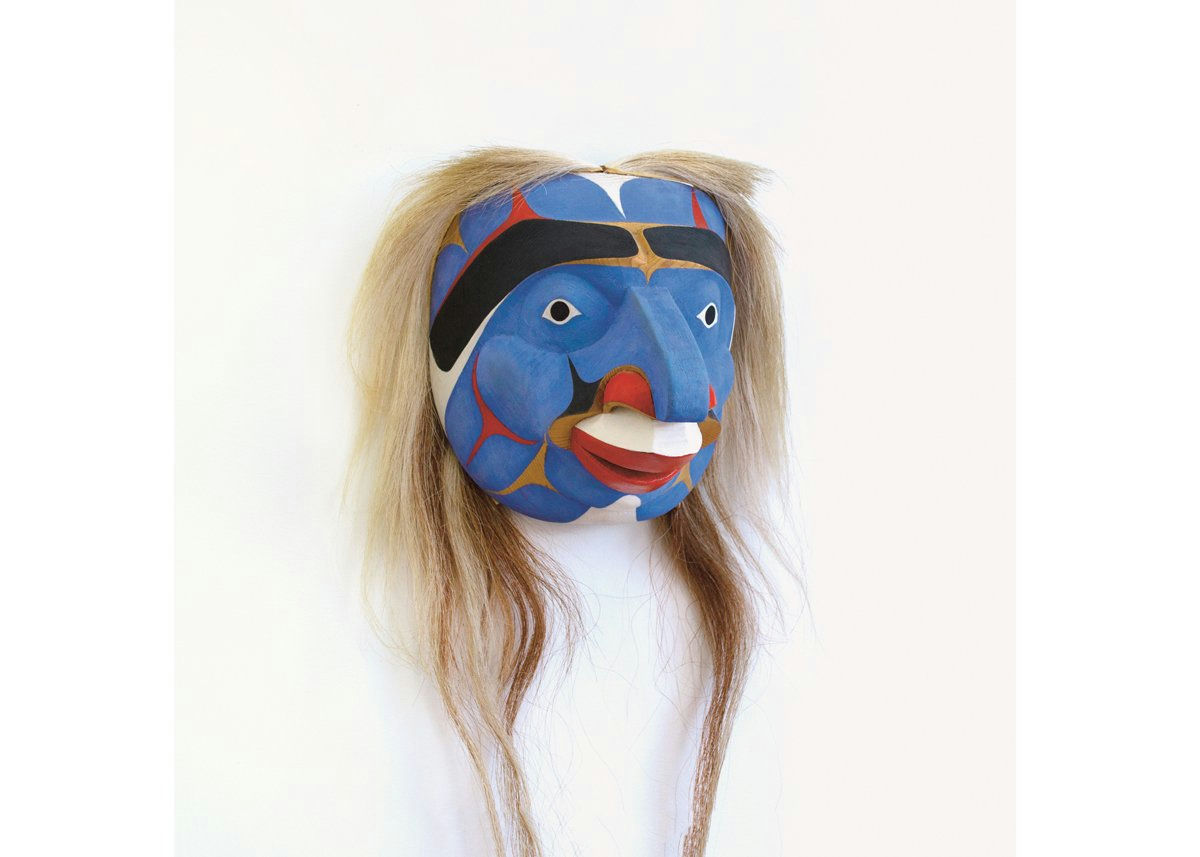
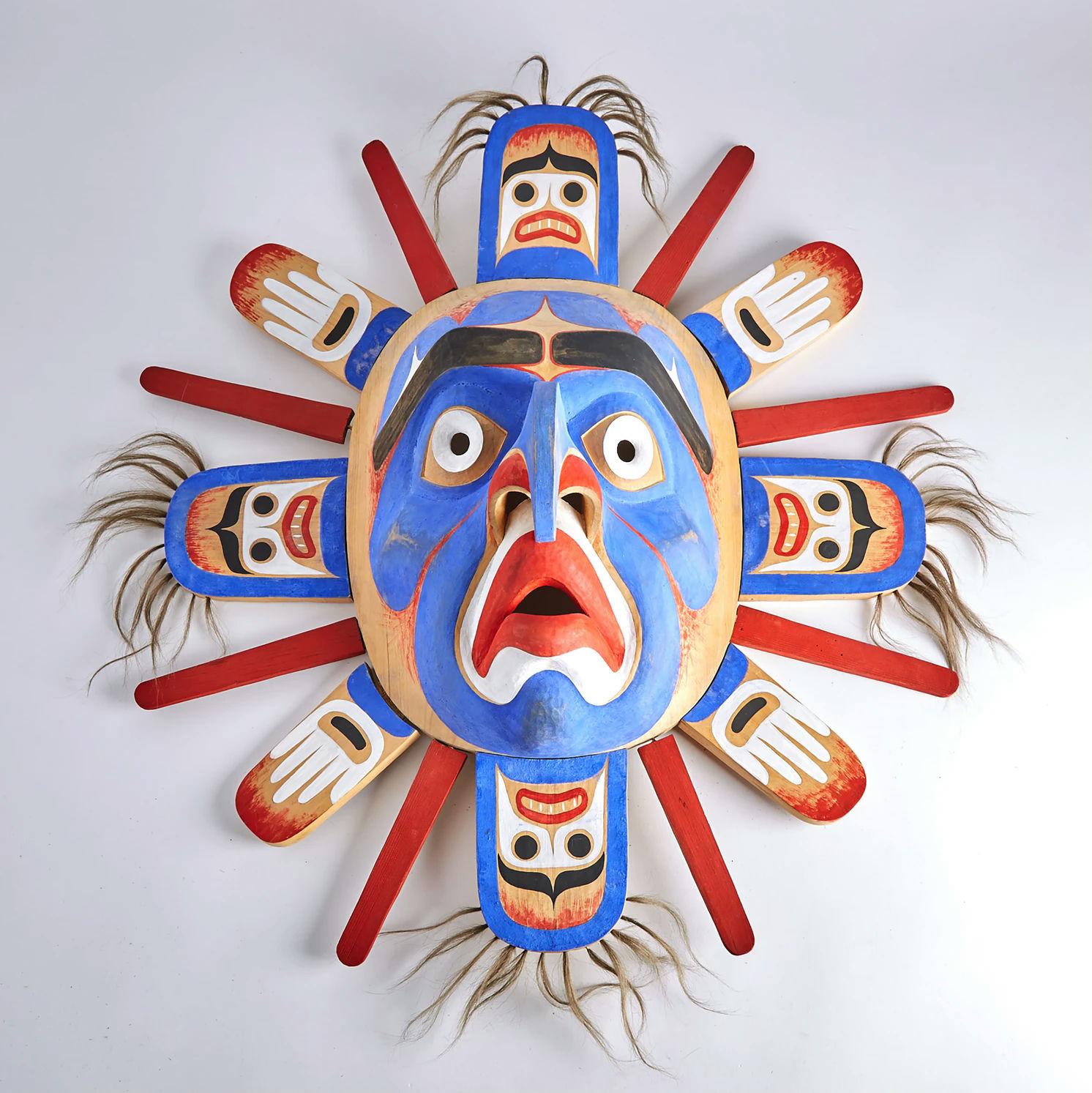
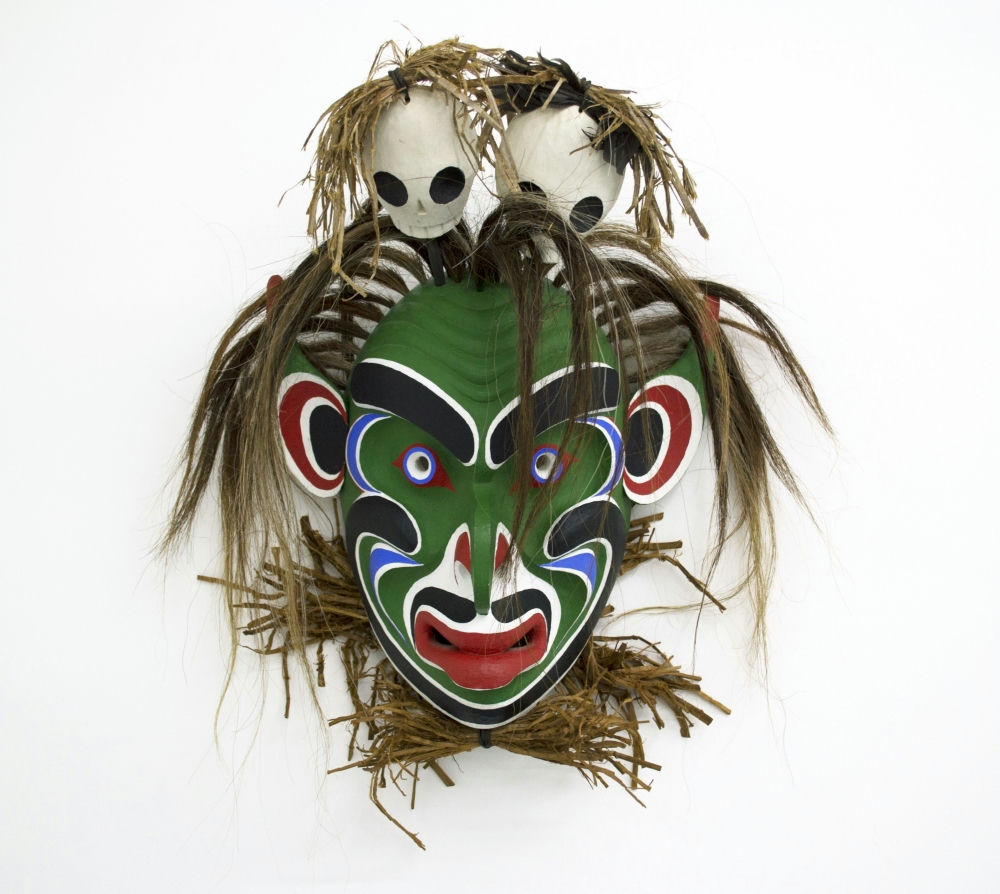
Beau Dick was a Kwakwaka'wakw Northwest Coast artist and Chief who lived and worked in British Columbia, Canada. He created masks that reflected his native tradition, while also incorporating contemporary Western influences.
The book, accompanying the artist's last show, tackles issues such as commodification of native traditions, colonialism and capitalism.
For the Kwakwaka’wakw, ritual burning is a tradition that signifies transition and prompts a new round of carving, a process that echoes the endless cycle of life. The artist embodied the practice by burning his masks as part of traditional ceremonies.
As Beau Dick said at the time: “What we have to do is recreate them – and that keeps them alive.”
Michishige Udaka, 2018
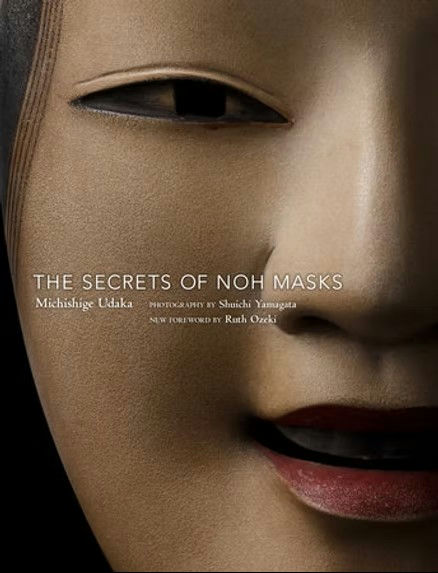
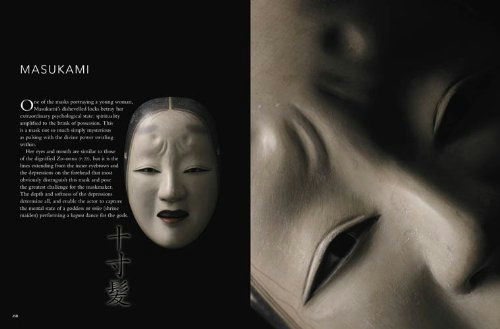
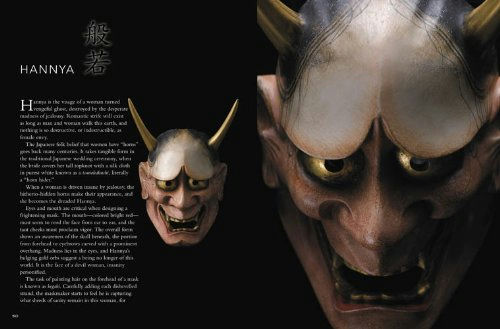
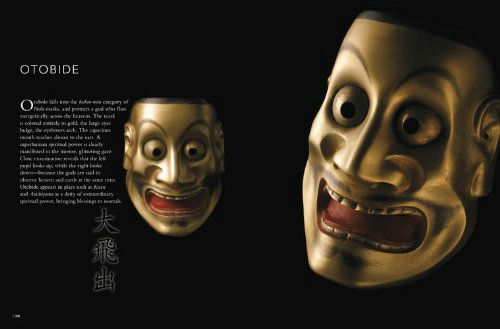
Noh master Michishige Udaka presents 32 masks he's created, accompanied by revelatory text about the masks and the simple yet nuanced ancient dramatic art of Noh.
Japanese Noh drama is performed by a handful of players, mostly masked. Using minimal props and exceedingly understated movements, this is theater pared down to its essentials. Yet, as an art form, Noh drama is highly complex richly symbolic, nuanced and exquisite in its austerity. Since the emergence of Noh drama over six centuries ago, the masks worn by the actors have been integral to the work. A Noh mask, with its subtle fusion of the real and the imaginary, is a beautiful object; but it only comes fully to life when a talented actor is able to transcend the mask's unchanging expression and convey a wide range of emotions.