Moises Saman, 2016
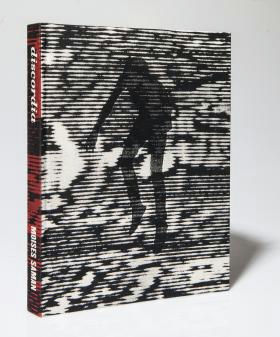
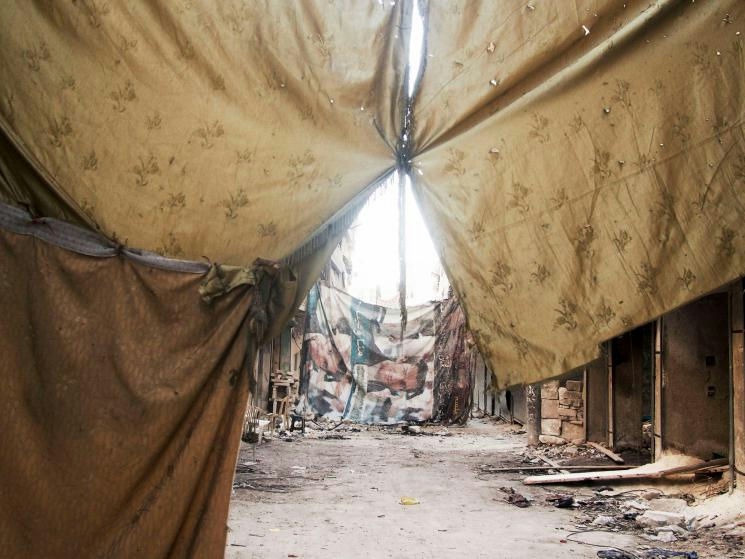
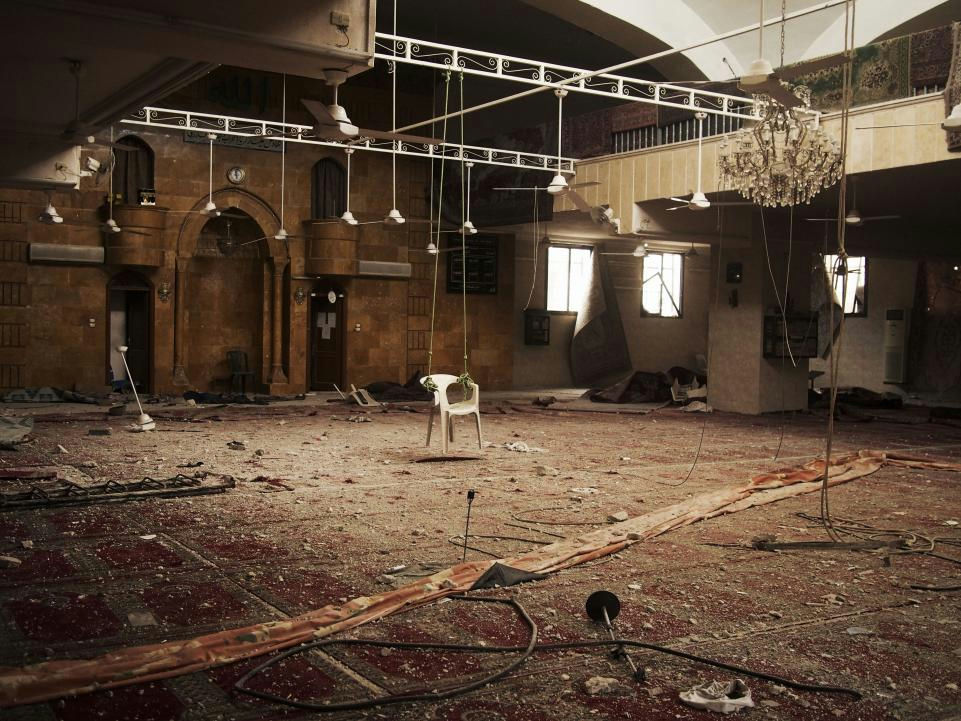
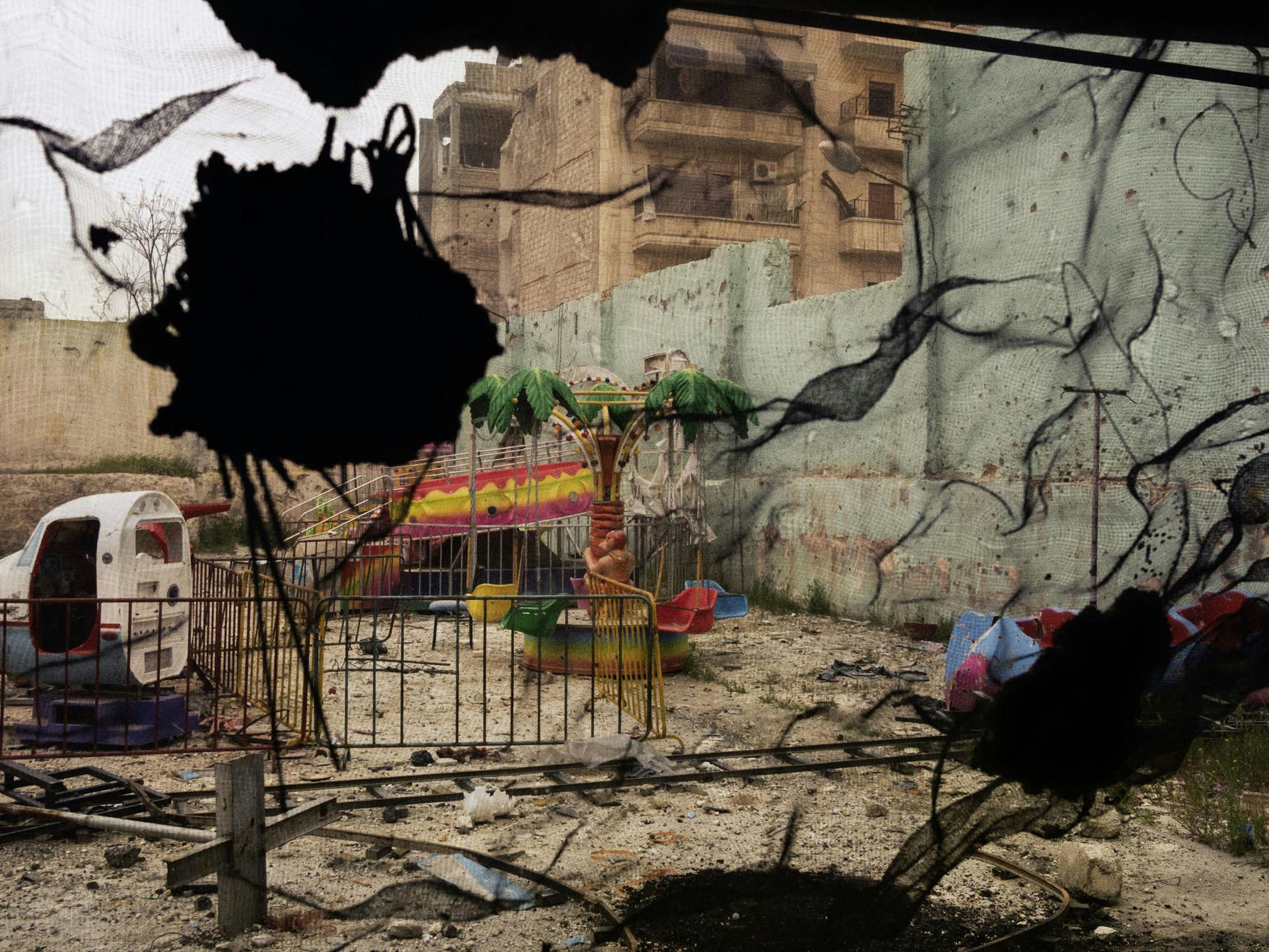
Magnum photographer Moises Saman spent nearly four years living and working as a photojournalist in the Middle East during the Arab Spring from 2011 to 2014. His book presents an unorthodox method of collecting journalistic images - it uses collage, cut-outs and double-spreads to convey the feeling of disruption and rebellion, as well as the transient nature of the photographer's position amidst the unfolding events.
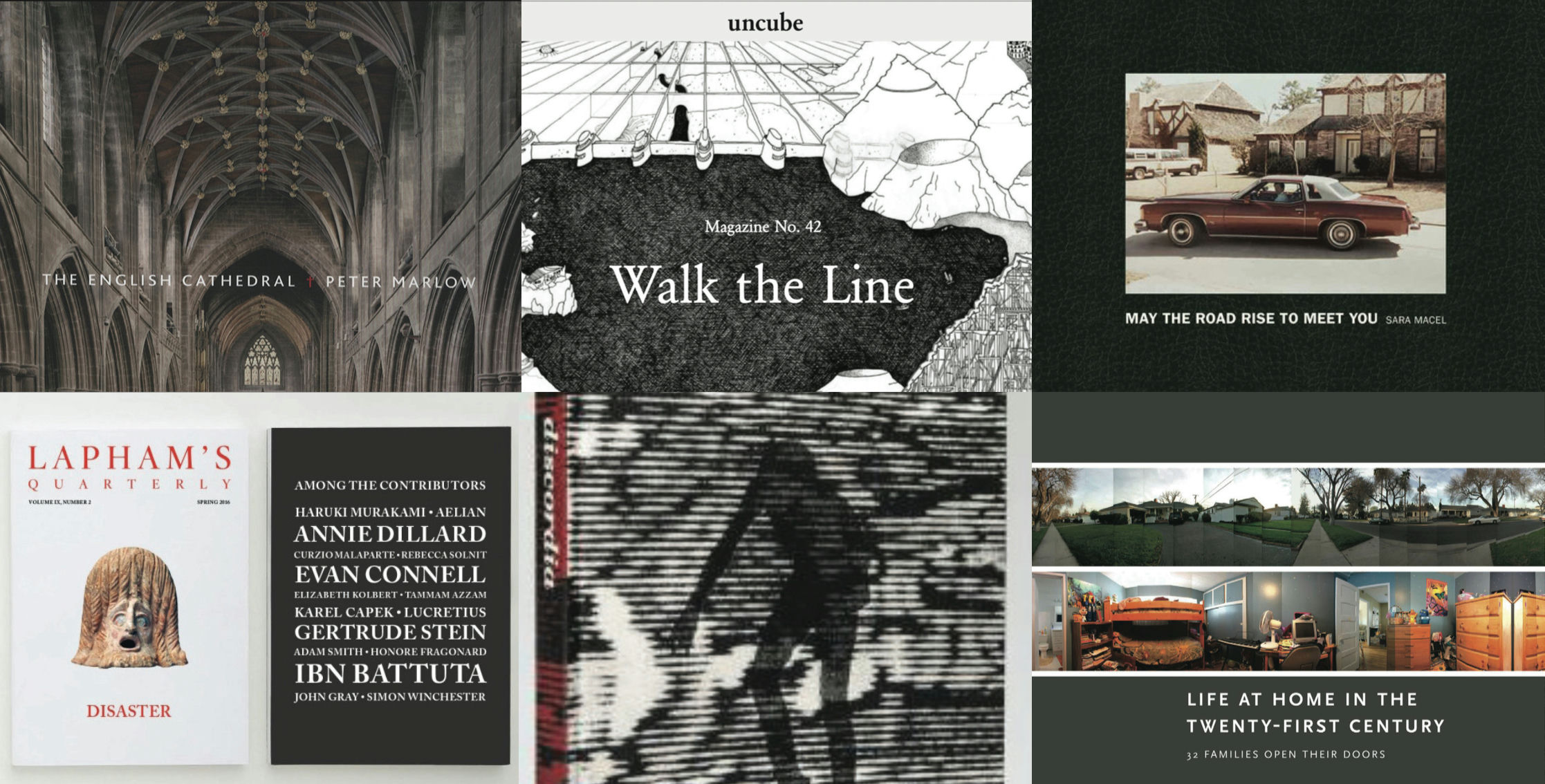
Jeanne Arnold, 2012

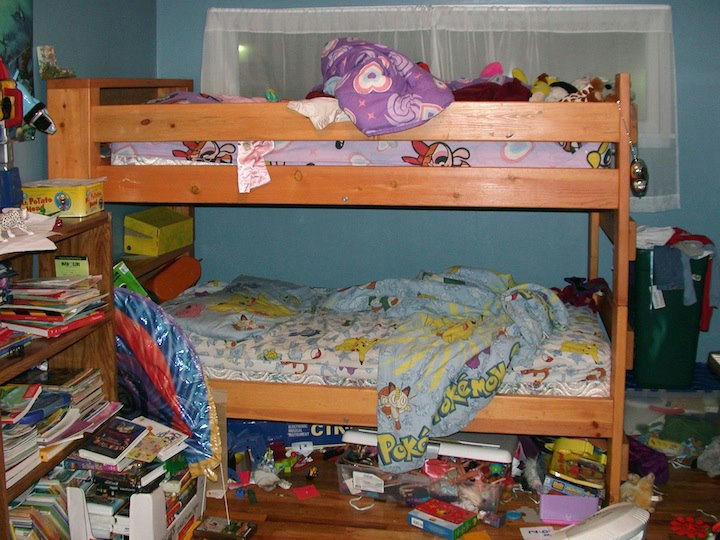
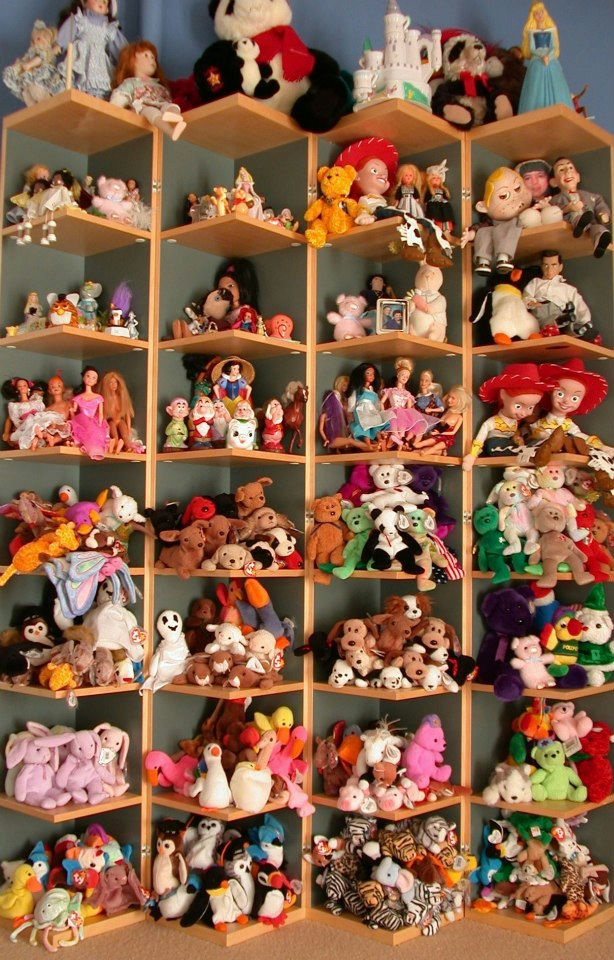
The authors of this book, widely published anthropologists from UCLA, teamed up with a world-renowned photographer to document 32 ordinary Californian middle-class families over a period of 10 years. ”This is the very first study to step inside 21st-century family homes to discover the material surroundings and vast number of possessions that organize and give meaning to the everyday lives of middle-class parents and children,” said co-author Elinor Ochs.
The resulting picture is fascinating in its complexity, and highlights the trappings of contemporary affluence: clutter and hoarding patterns, diminishing use of outdoor space and fragmented dining cycle.

Sara Macel, 2011
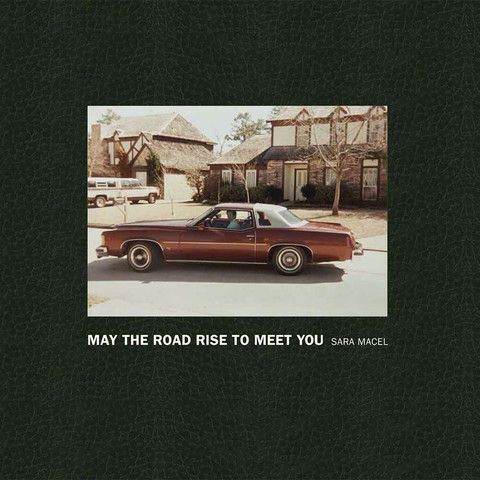
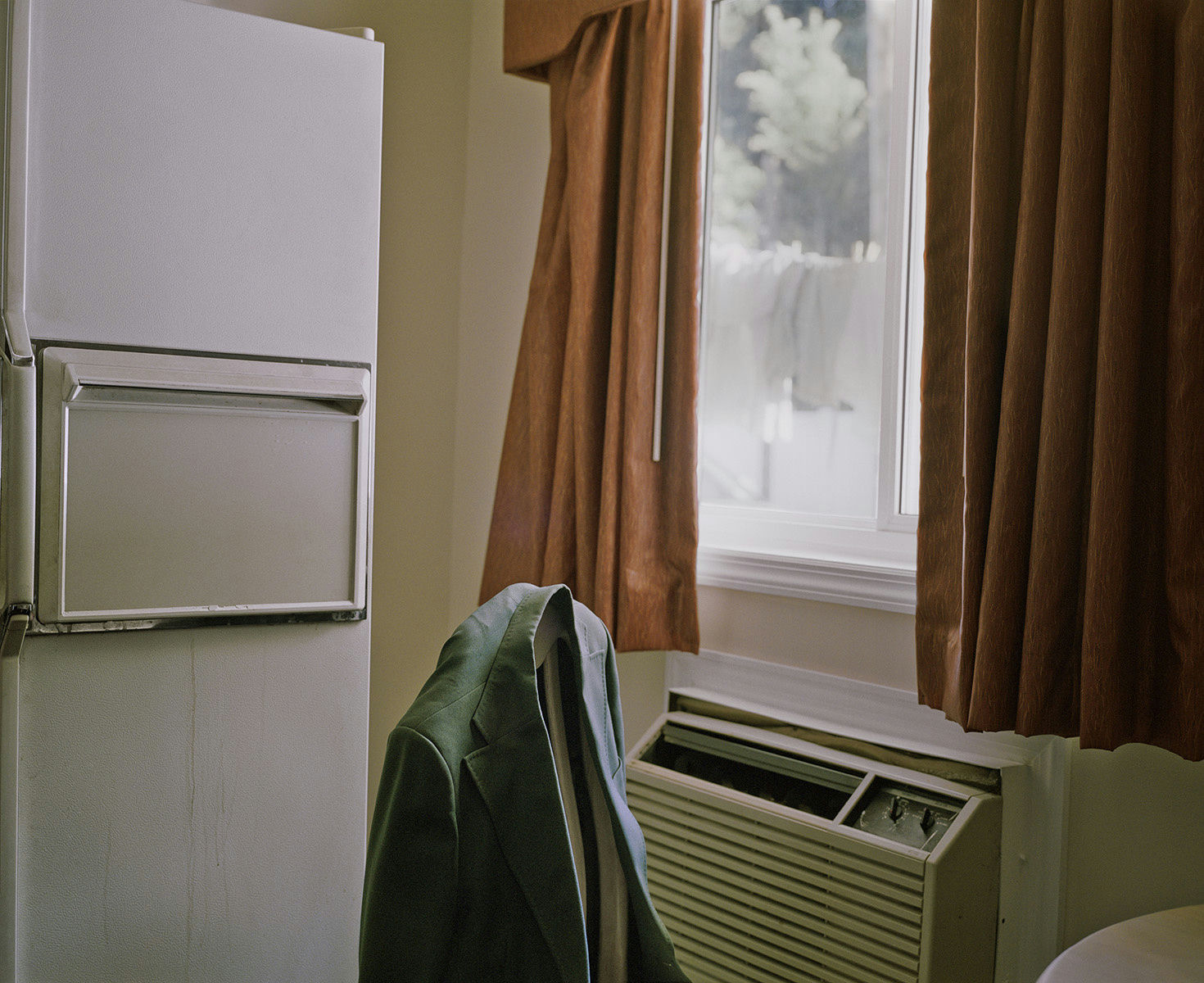
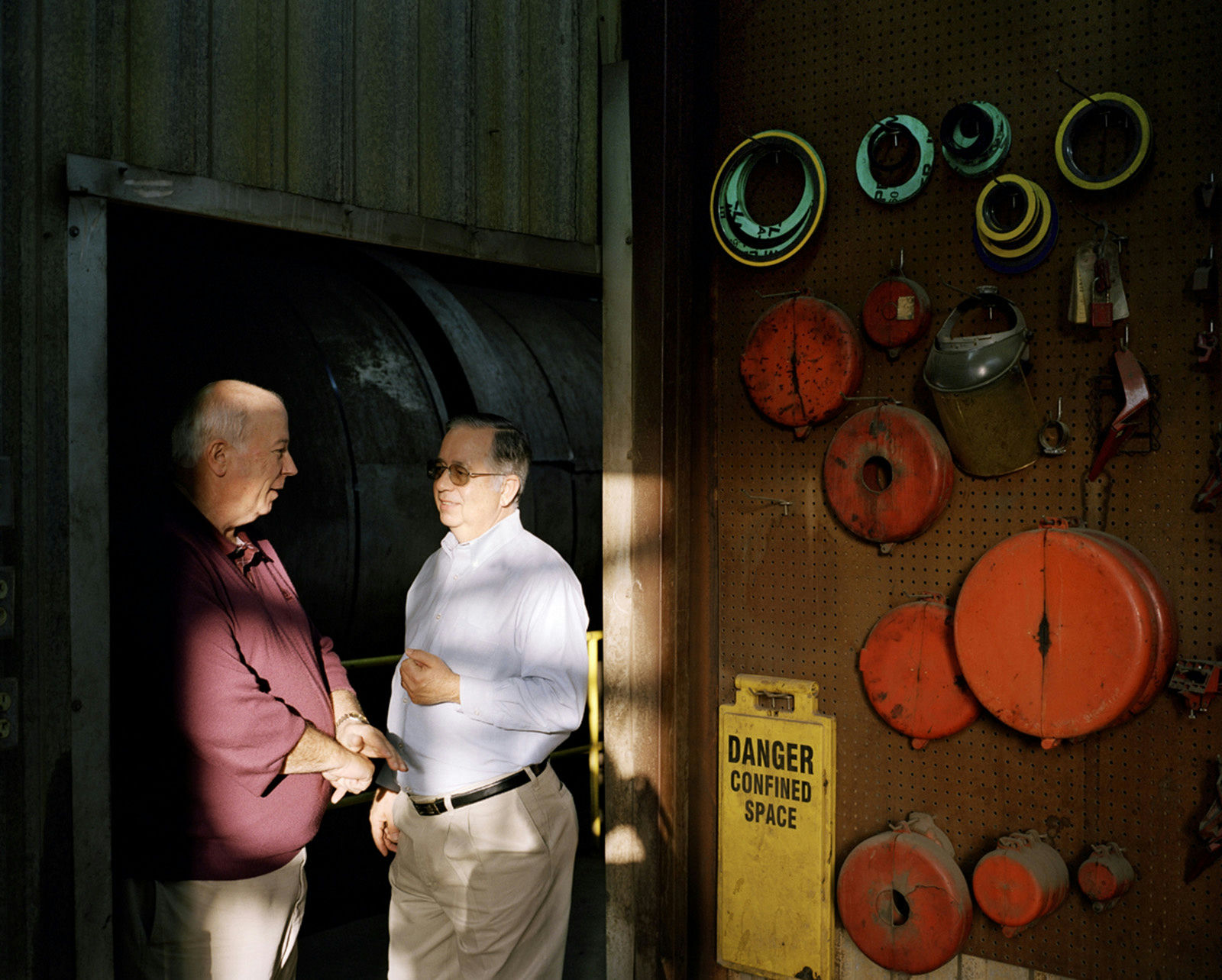
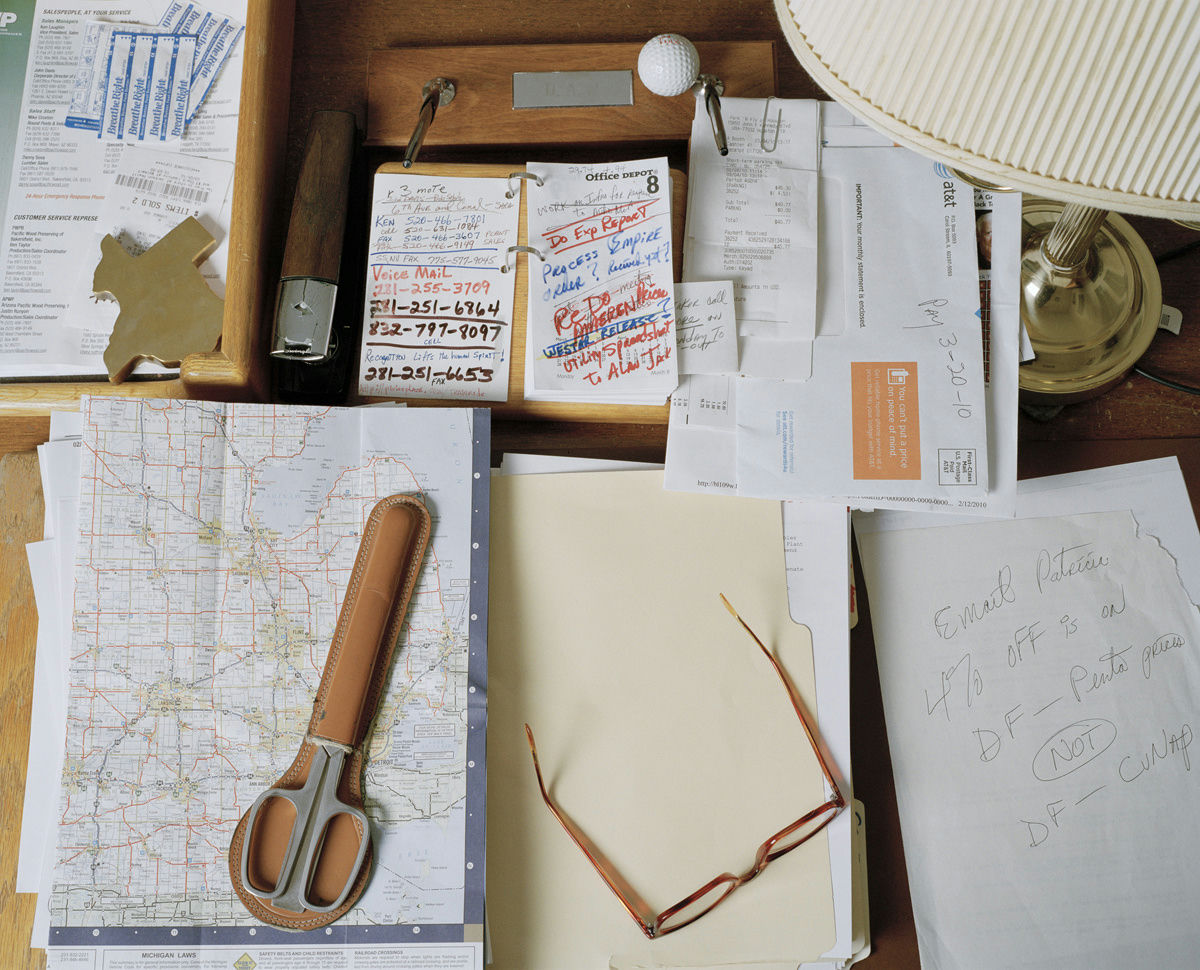
Sara Macel‘s father has been a traveling salesman his whole life. Macel‘s project is a pseudo-documentary of his professional life. ”What I found in chasing this enormously elusive male figure is that I can never fully know my father or what it is like to be a man alone on the road. Many of these photographs are my fantasy of what his life on the road looked like. In the same way that a family photo album functions to present an idealized version of a family’s history, these photographs tell the story of how we both want his life on the road to be remembered“ —Sara Macel
American Agora Foundation, 2016
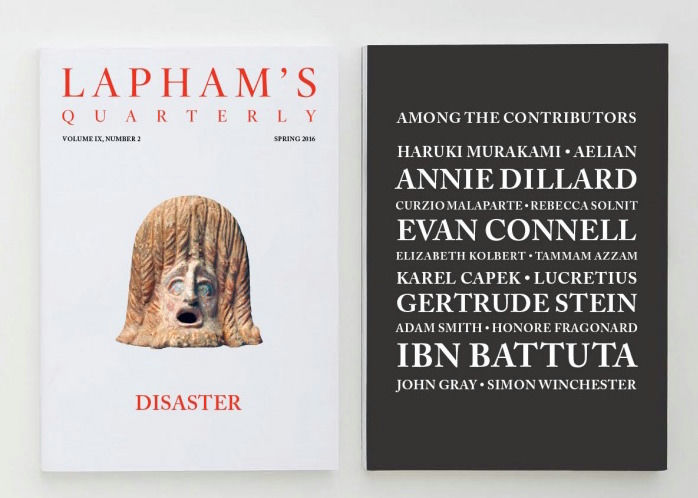
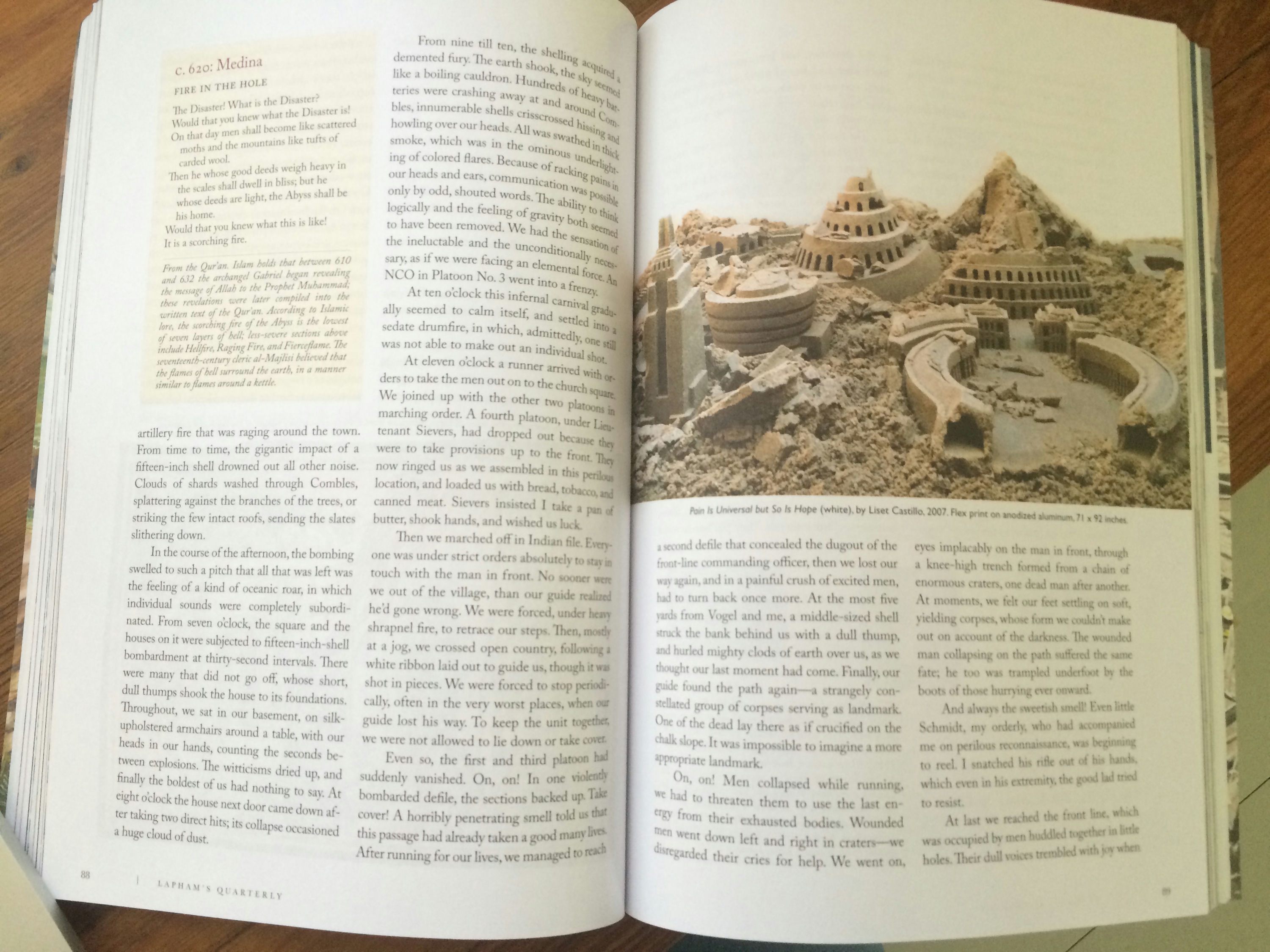
Lapham‘s Quarterly is a literary magazine established in 2007 by former Harper‘s Magazine editor Lewis H. Lapham. Each issue examines a theme using primary source material from history and literature, together with full-color reproductions of paintings and sculpture by the world’s great artists.
The magazine's latest issue is dedicated to the idea of disaster - it charts various catastrophes from the ice age to present day, as narrated and represented by sources like the Bhagavad Gita and Qur‘an as well as contemporary writers such as Jose Saramago and Haruki Murakami. The concept of disaster is analyzed methodically and philosophically, and provides great insight into the complexities of human suffering and material destruction.
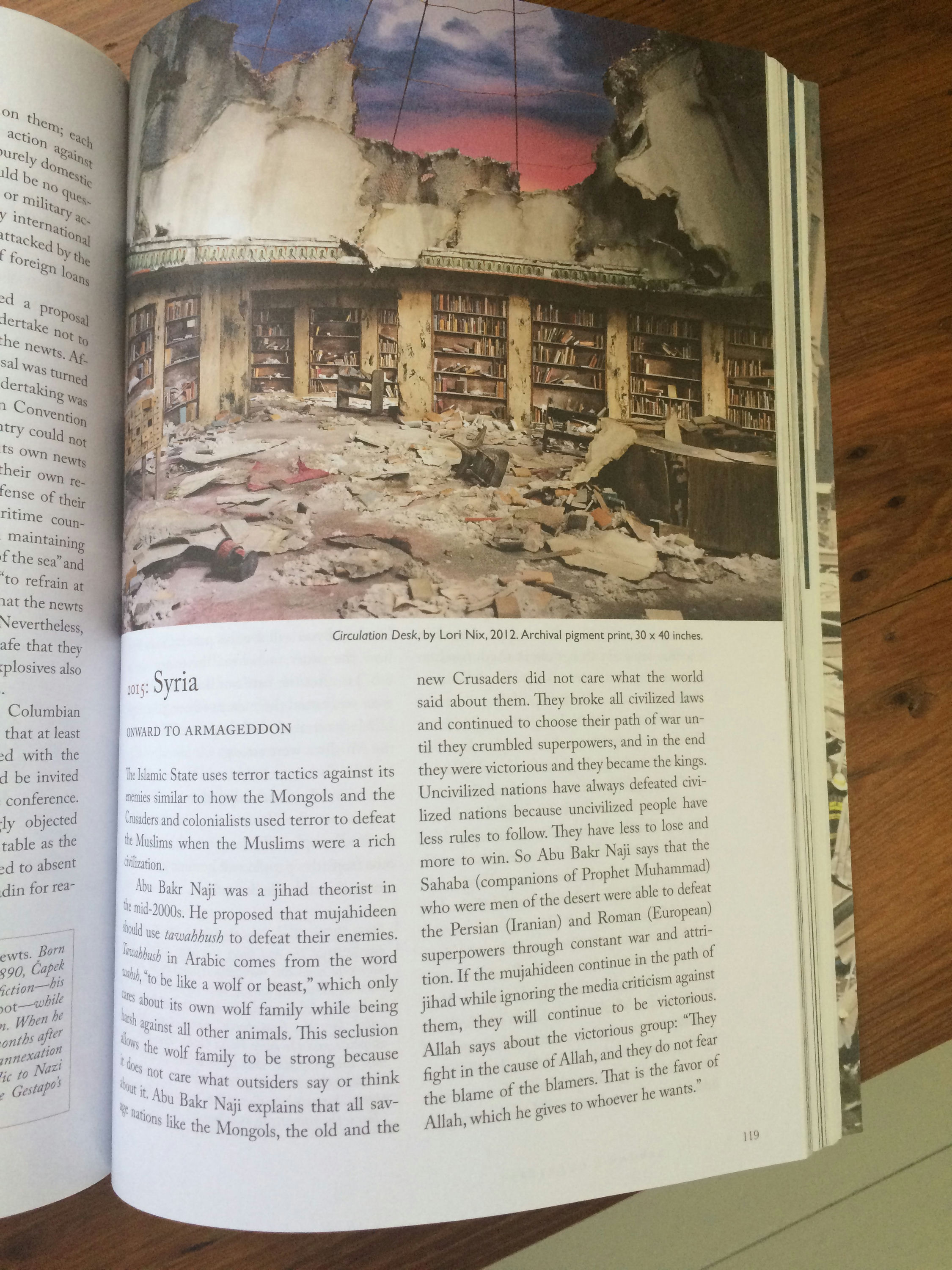
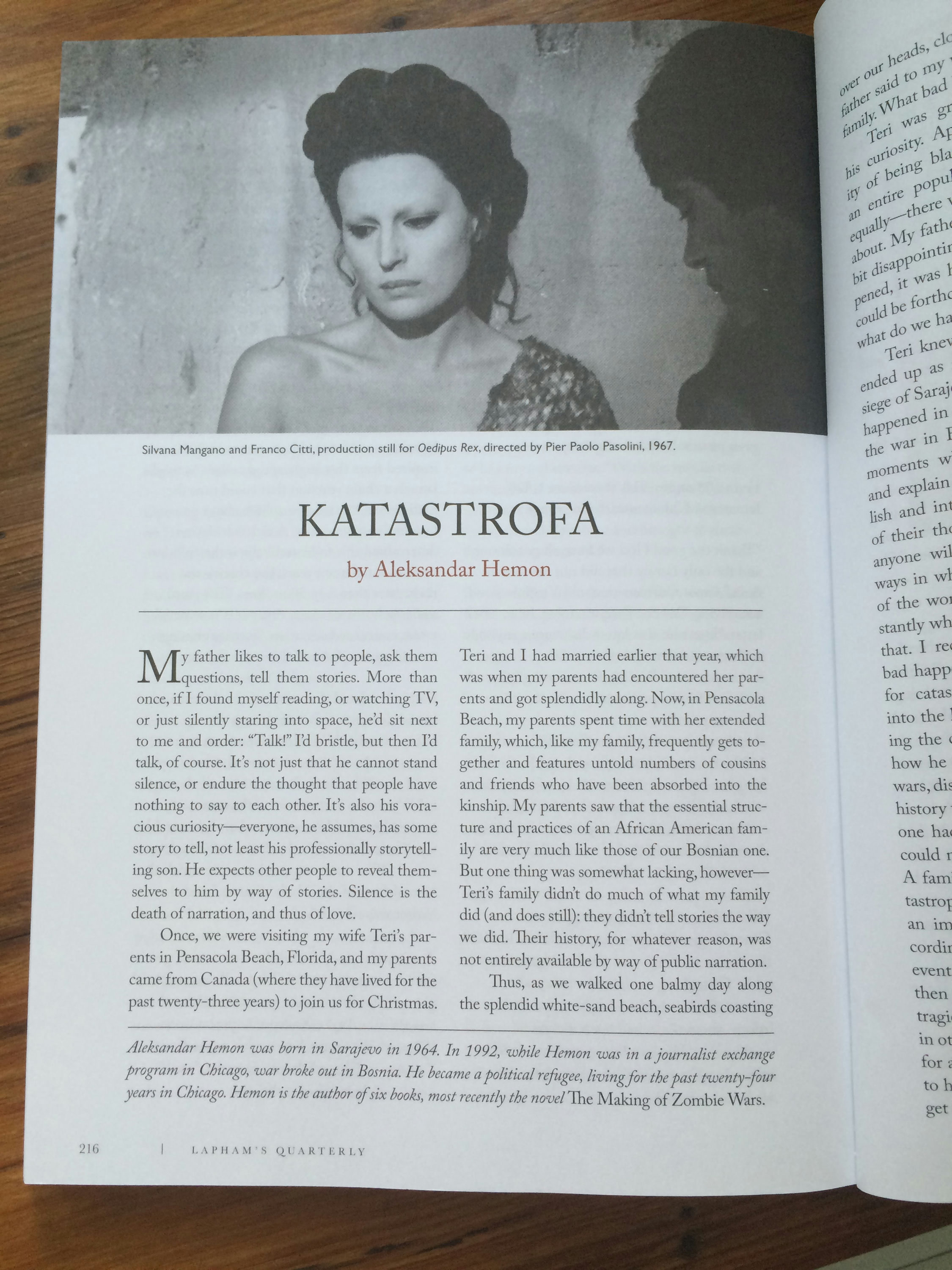
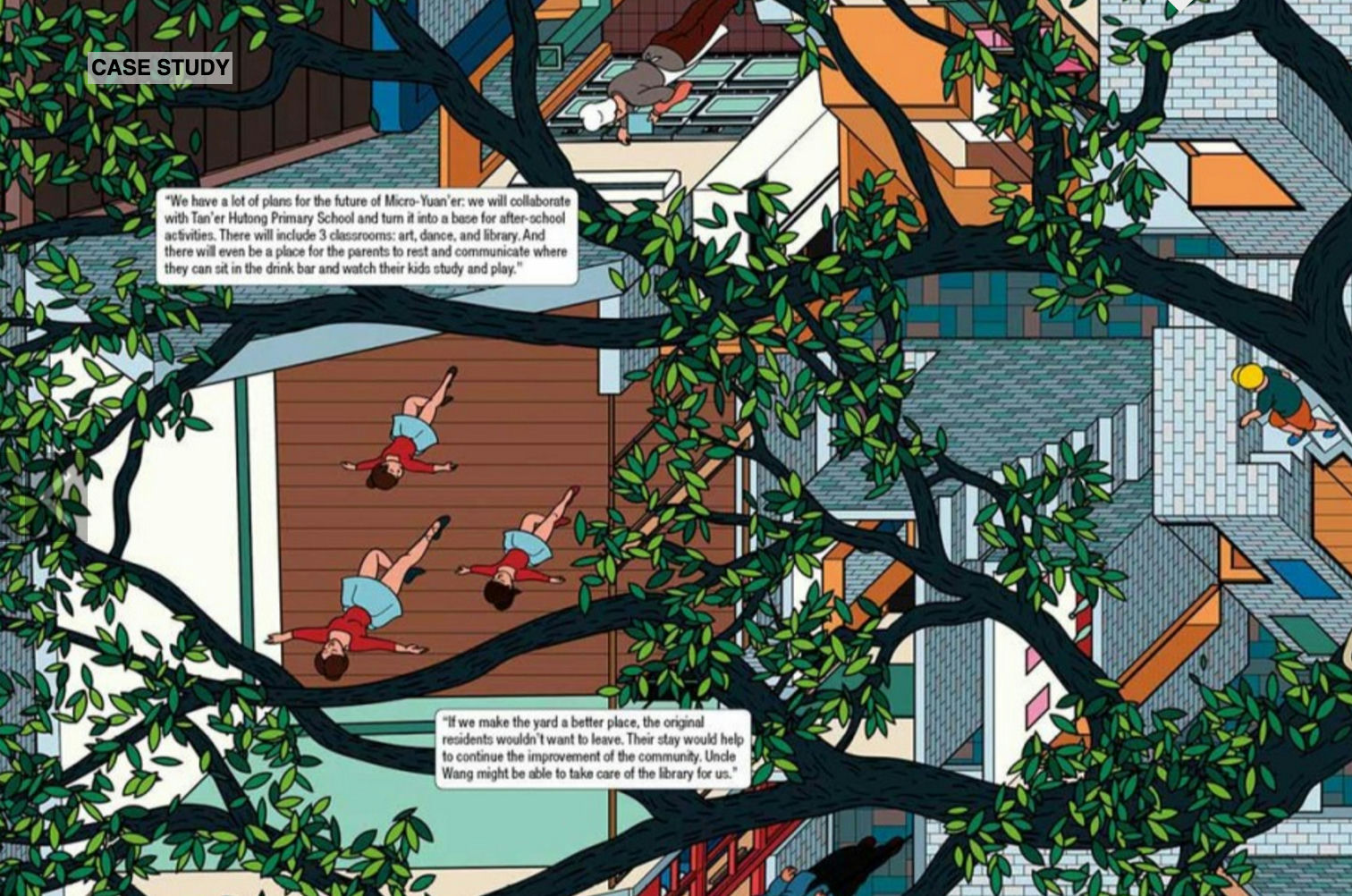
Uncube Magazine No. 42
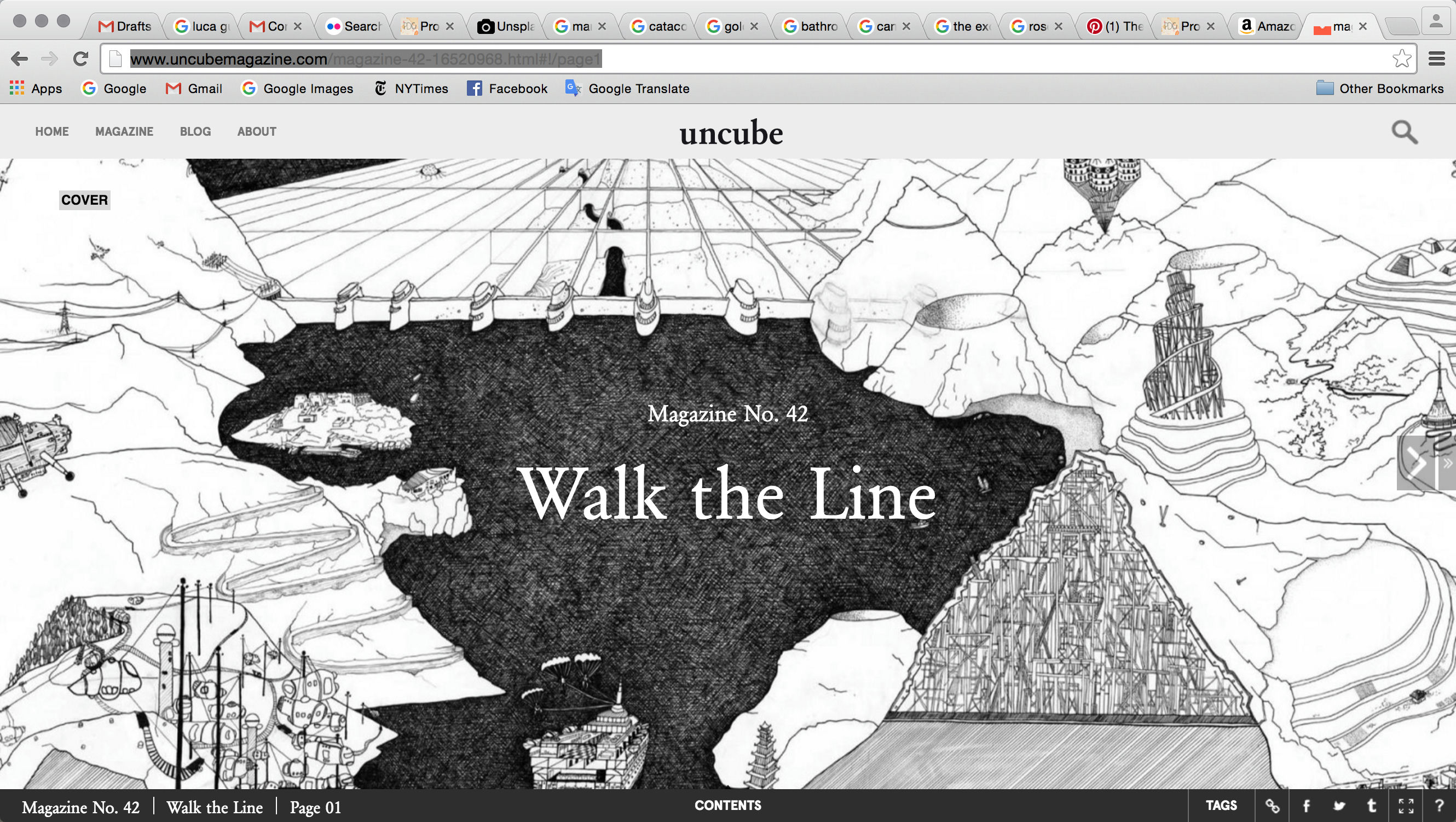
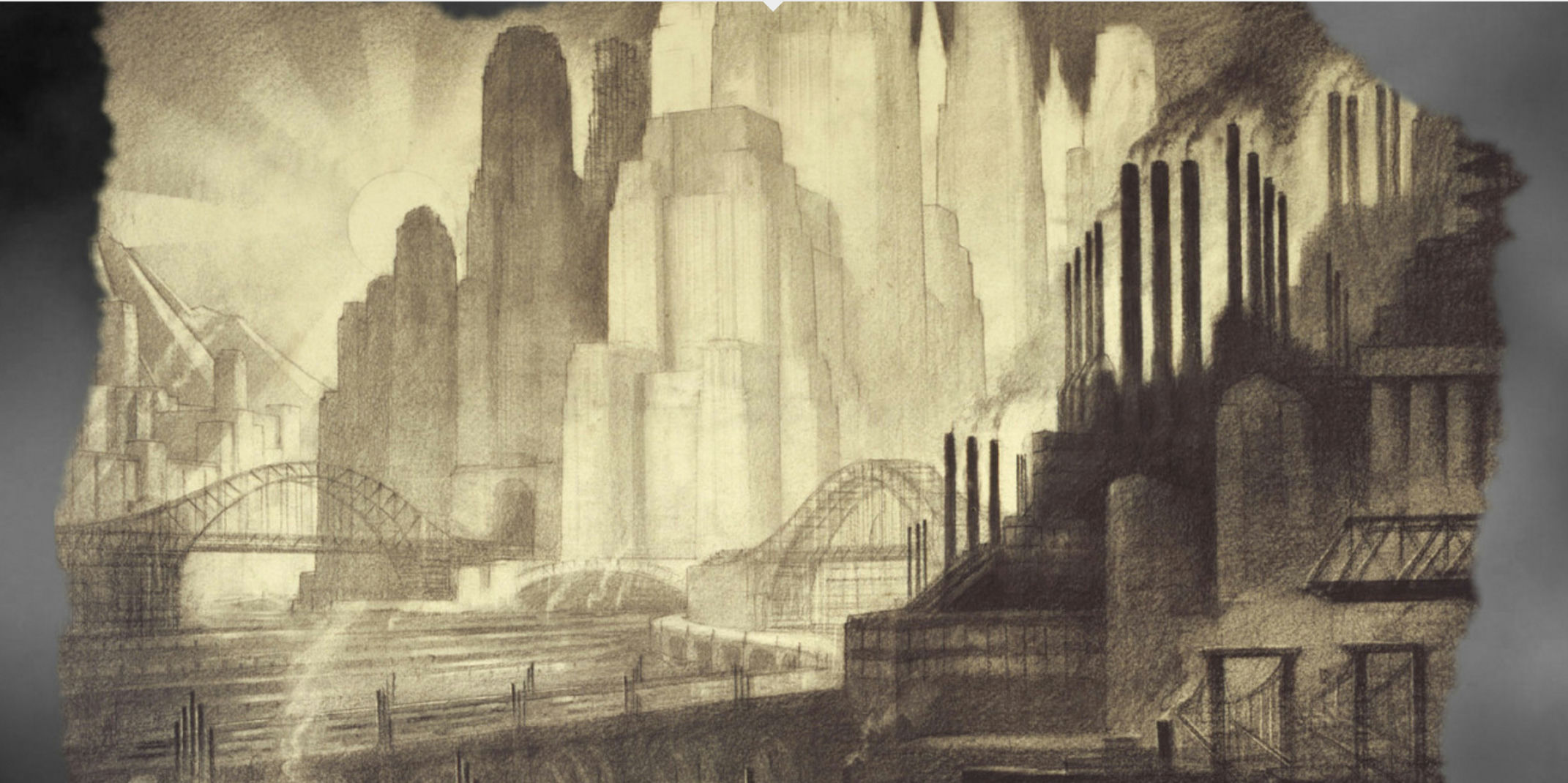
Uncube is an award-winning digital magazine concentrated on design, founded in 2012 and based in Berlin. In its 42nd issue the magazine explores contemporary applications of drawing and illustration as used in architecture and design around the world. The features are diverse and innovative (specifically an article about Gotham‘s world of shadows) while the magazine's digital platform is unique and technologically sophisticated. It highlights the dynamic nature of drawing as a tool, and its continued relevance in today‘s world.

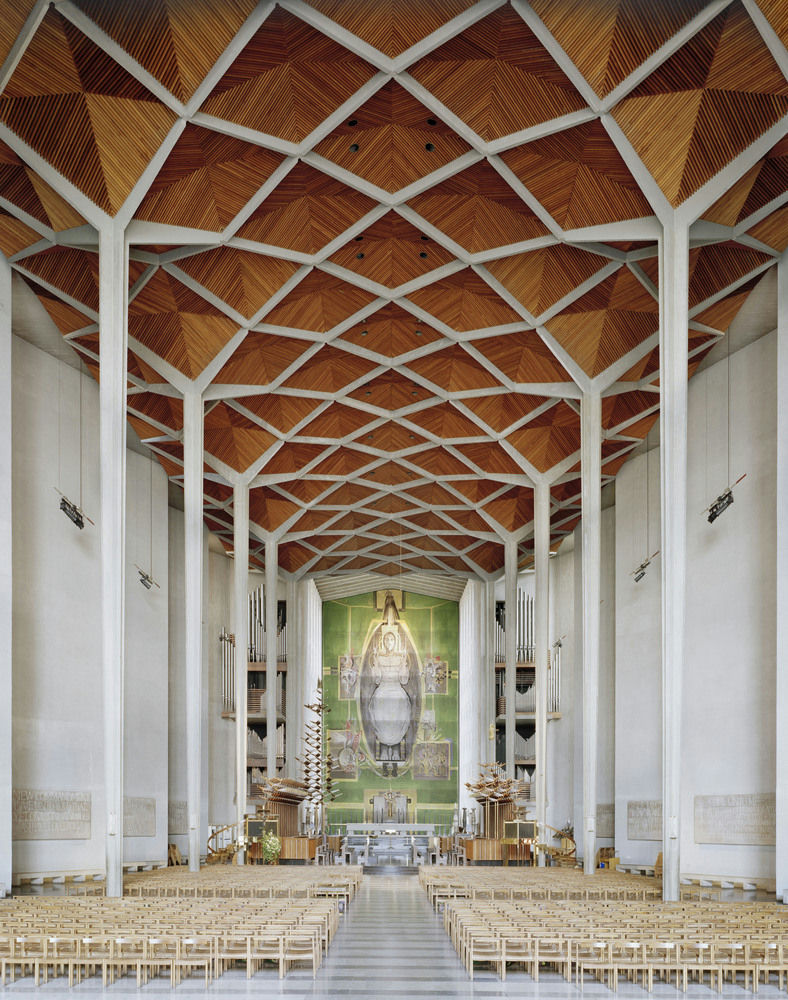
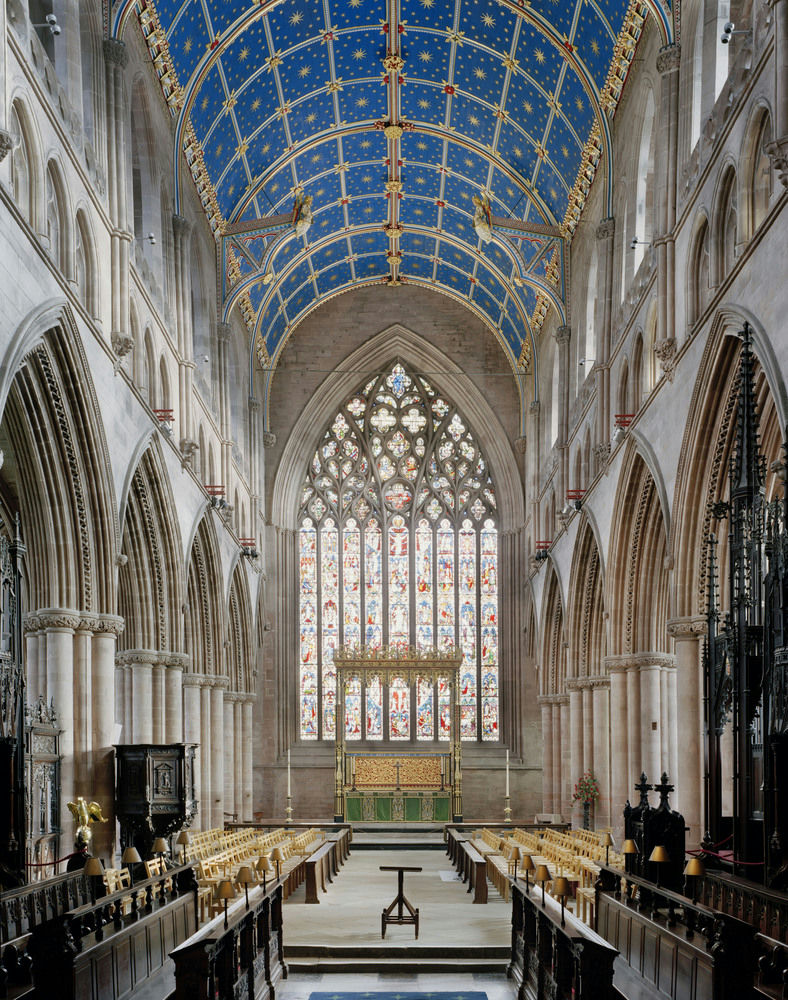
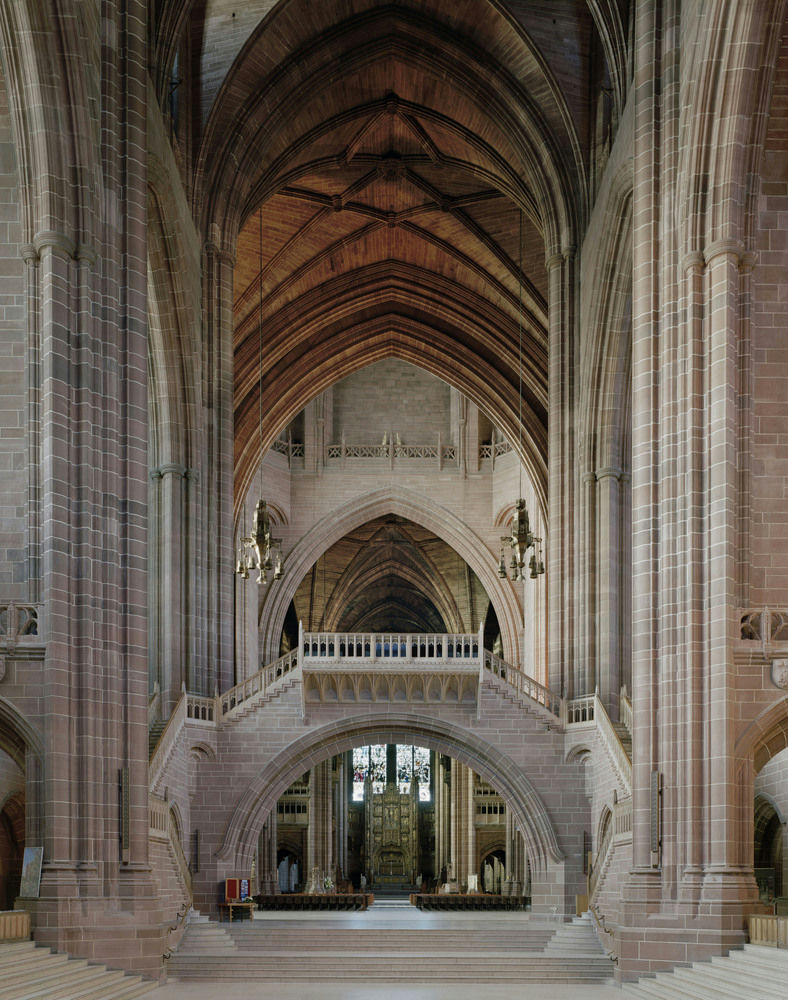
Exhibition at the Coventry Cathedral, UK, April 29th–September 5th
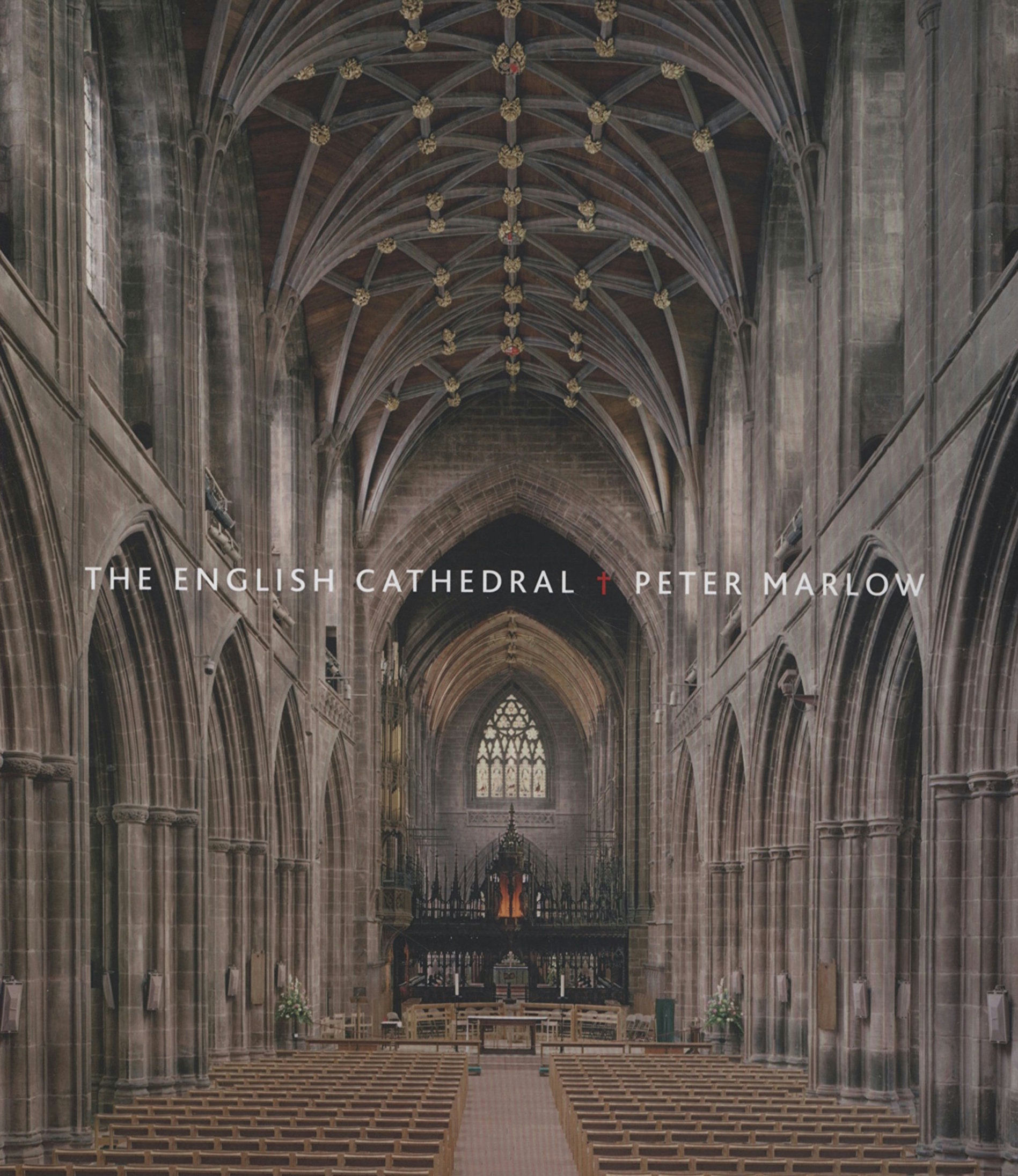
Peter Marlow, a prominent British news photographer and a member of Magnum Photos, passed away recently of cancer at the age of 63. Thought often admired for his work in politics, conflict zones, documentaries and portraiture, he spent the last few years photographing all 42 cathedrals of the Church of England, in what he described as ‘a kind of reflective pilgrimage.’
The photos are currently displayed at the Coventry Cathedral and also available as a book, accompanied by Marlow’s fascinating commentary on the project and architectural summaries by architectural historian John Goodall.