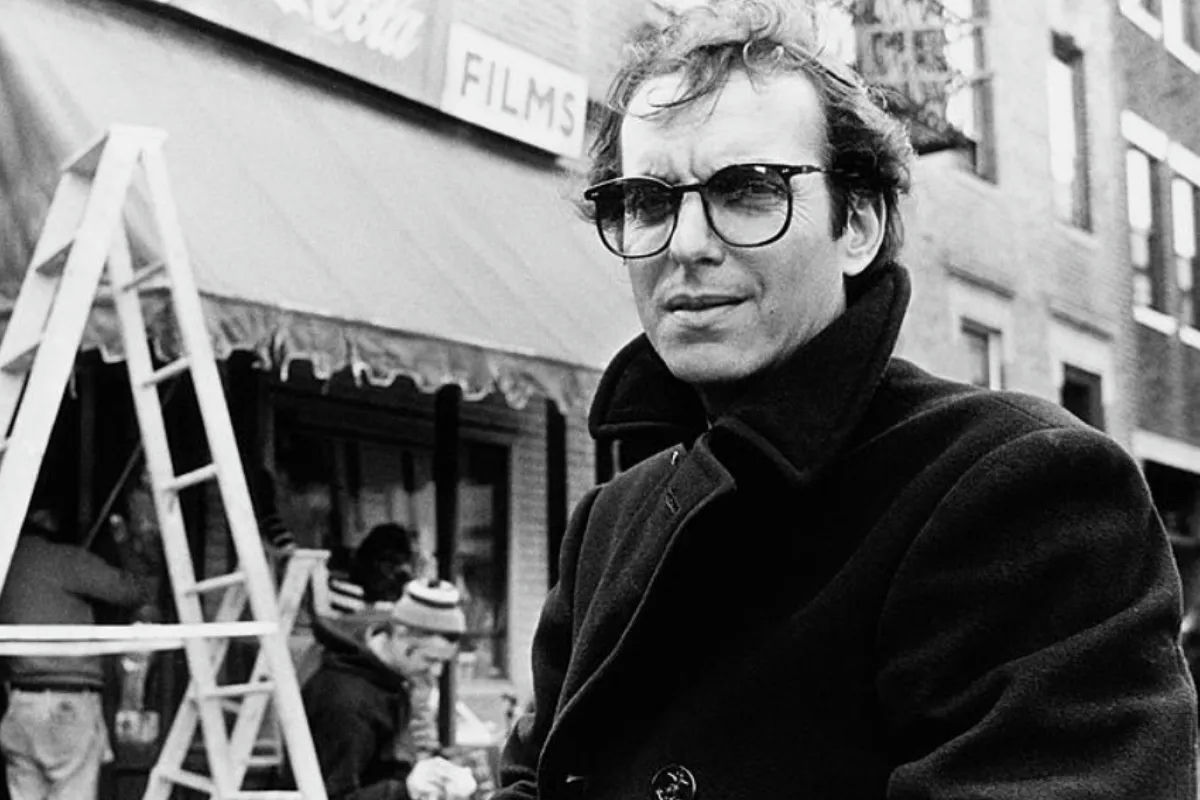
Production Designer Dean Tavoularis, one of cinema’s greatest production designers, passed away this week at the age of 93.
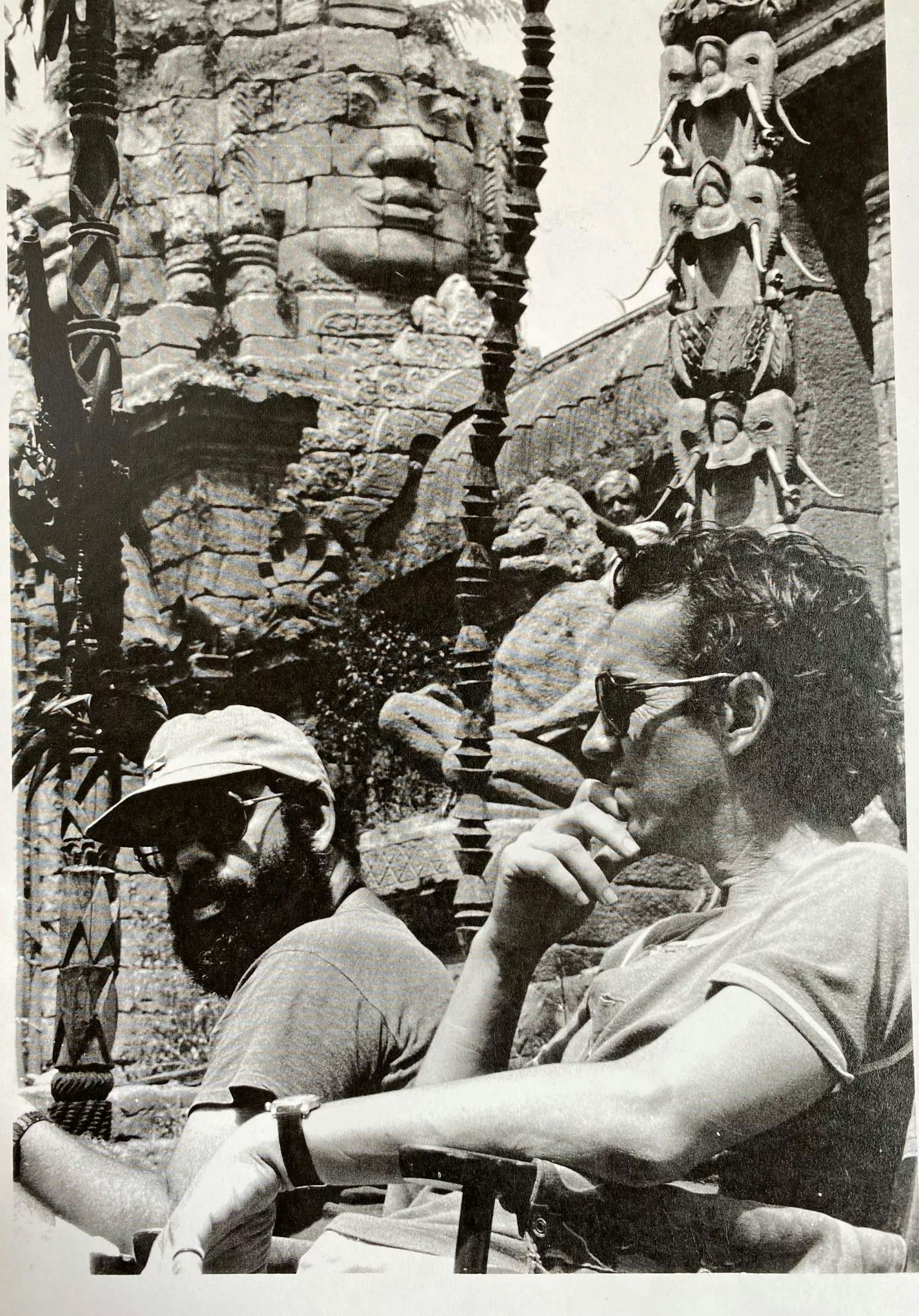
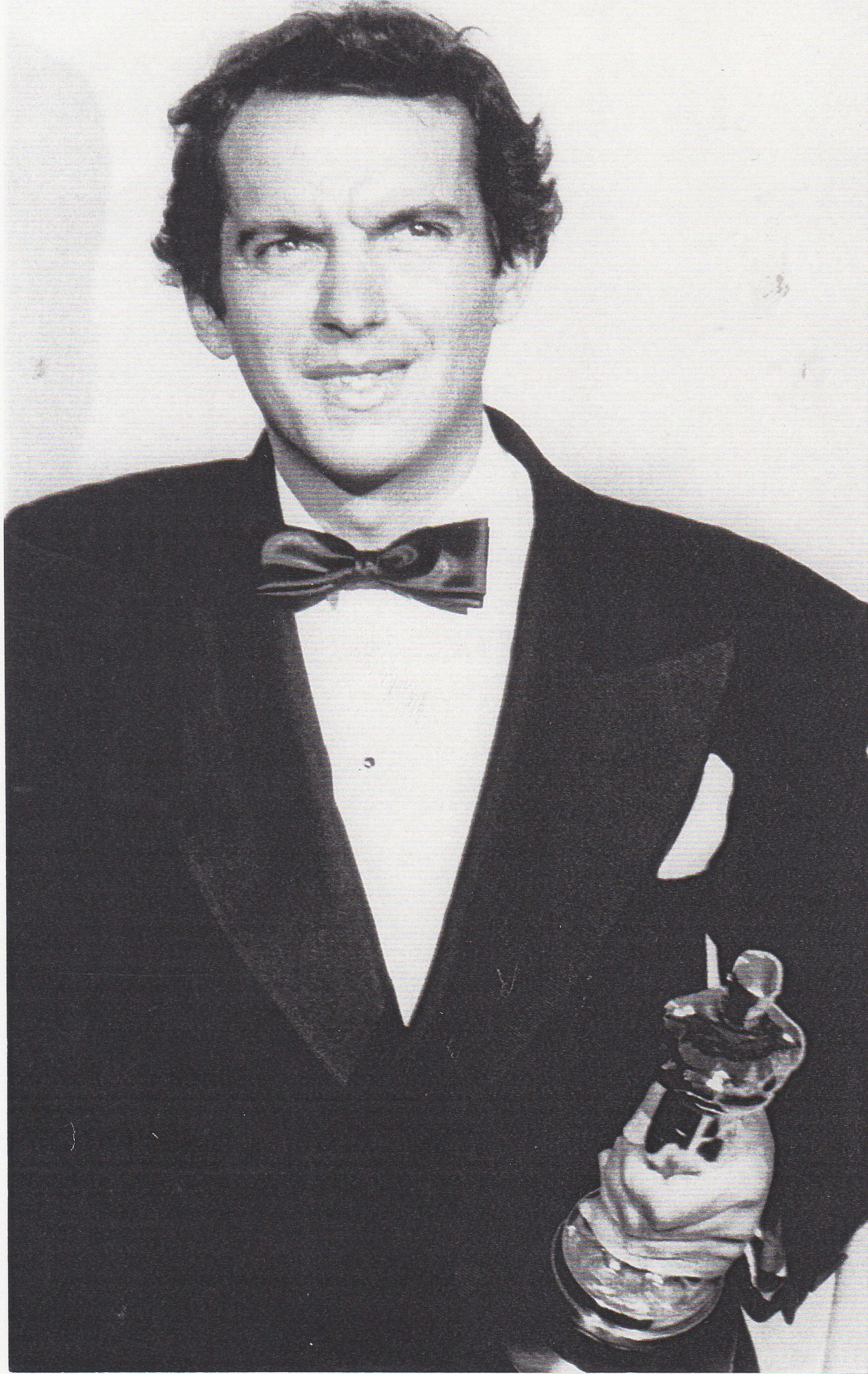
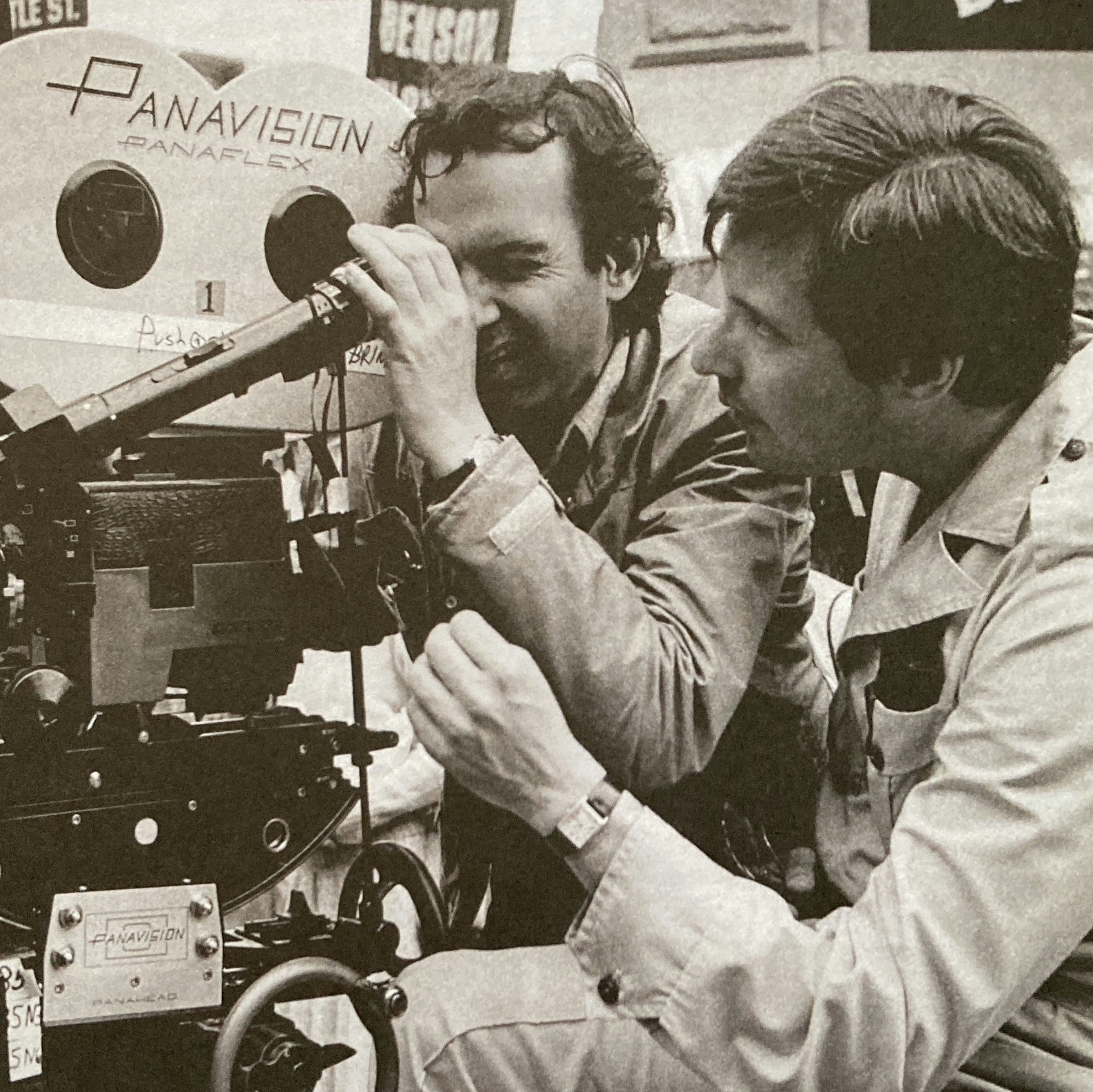
Tavoularis won the Oscar for his art direction/set decoration of 1974’s The Godfather: Part II and was nominated for the Coppola-directed Apocalypse Now (1979), Tucker: The Man and His Dream (1988), The Godfather Part III (1990) as well as William Friedkin‘s The Brink’s Job (1978).
In a statement, frequent collaborator Francis Ford Coppola said: “My dear friend and collaborator Dean Tavoularis has passed, a profound loss. I would be unable to list the many ways he benefited my work and my personal life”.
Tavoularis was hired for his first job as production designer by Warren Beatty and Arthur Penn on Bonnie and Clyde. He continued to work with auteur directors such as Michaelango Antonioni and Roman Polanski. His most prolific collaborator was Francis Ford Coppola, with which he made 13 films including the Godfather trilogy.
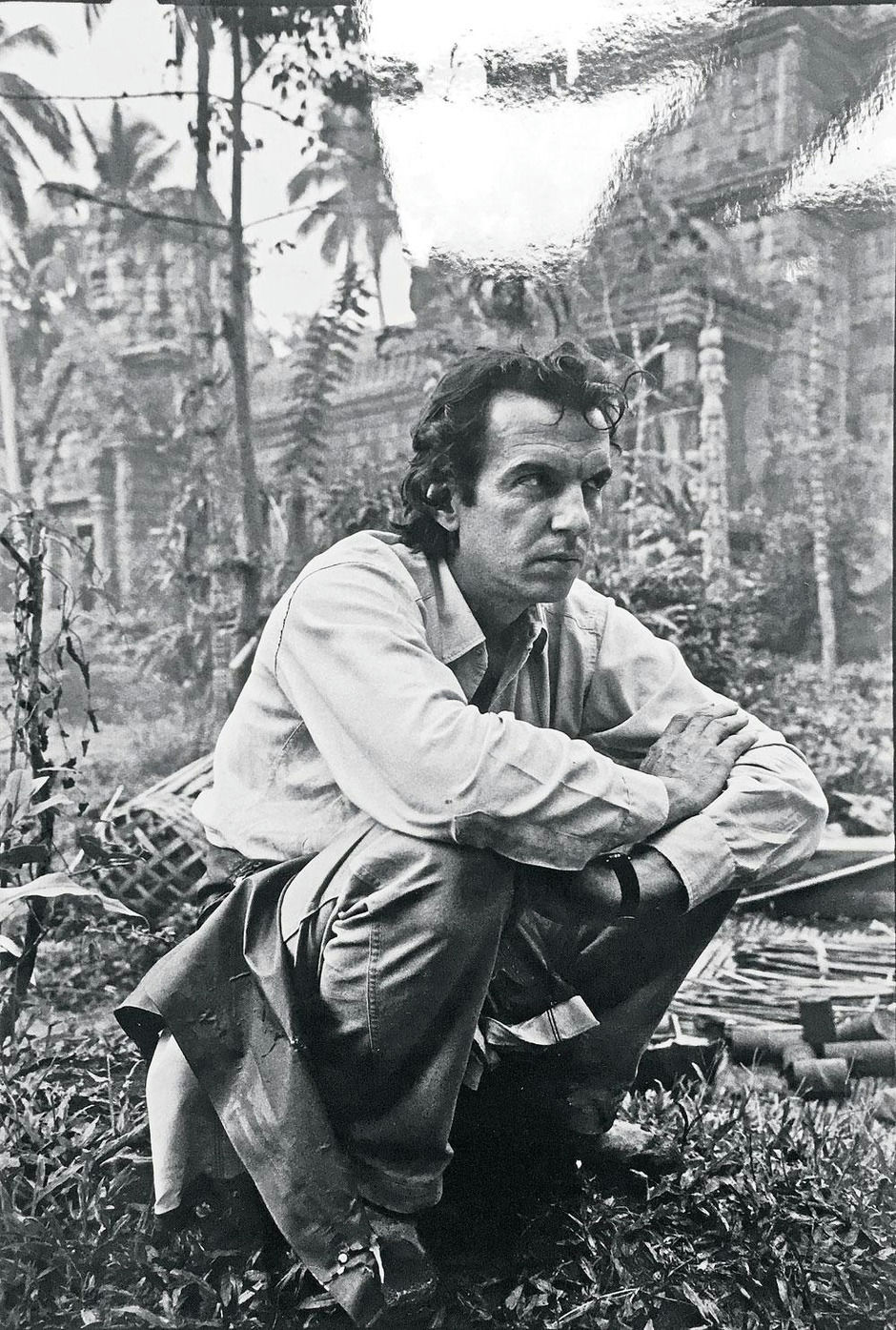
Tavoluaris was part of a generation of artisans who were trained under the old 1950s system of Hollywood studios, but came into their own while collaborating with the new filmmakers of the 1960s and 1970s. He represented a bridge between traditional craftsmanship and the new rebellious spirit of the younger auteur generation.
In his own words: “When I first started working as an assistant art director in the late 1950s and1960s, the big studios were still run by the pioneers; they were all still there. And there’s a lot to criticize about those big guys, but for me, I would say it was very beneficial: the studios were always ready to make films. You didn’t need to find a shop or hire carpenters, they were all there waiting for you. You had the wardrobe department with thousands of wardrobes in refrigerated storage areas; you had a mill, a library. It was a factory for filmmaking. And when that began to erode, the filmmakers themselves began to say, ‘Look, we are making the films, you are nothing without us. Nothing!’ So they started taking power. After fifty years, that era of studio bosses collapsed, and I was right there during those historical changes”.
Tavoularis’ work if filled with exacting detail, and layered with rich tones. He was committed to character building through design, defying traditional studio practices to create a more authentic world on screen. His iconic sets, as we as his design methodology, has inspired countless production designers and film lovers alike.
The Production Designers Collective grieves the loss of this inspiring figure and craft pioneer.
We encourage our community to read Dean’s advice and learn of his achievements in the links below:
Read Dean Tavoularis’ Design Advice
Purchase the book "Conversations with Dean Tavoularis"
Read THR's "What I Learned From Dean Tavoularis" by Jordan Mintzer