Michael Sorkin, 2021
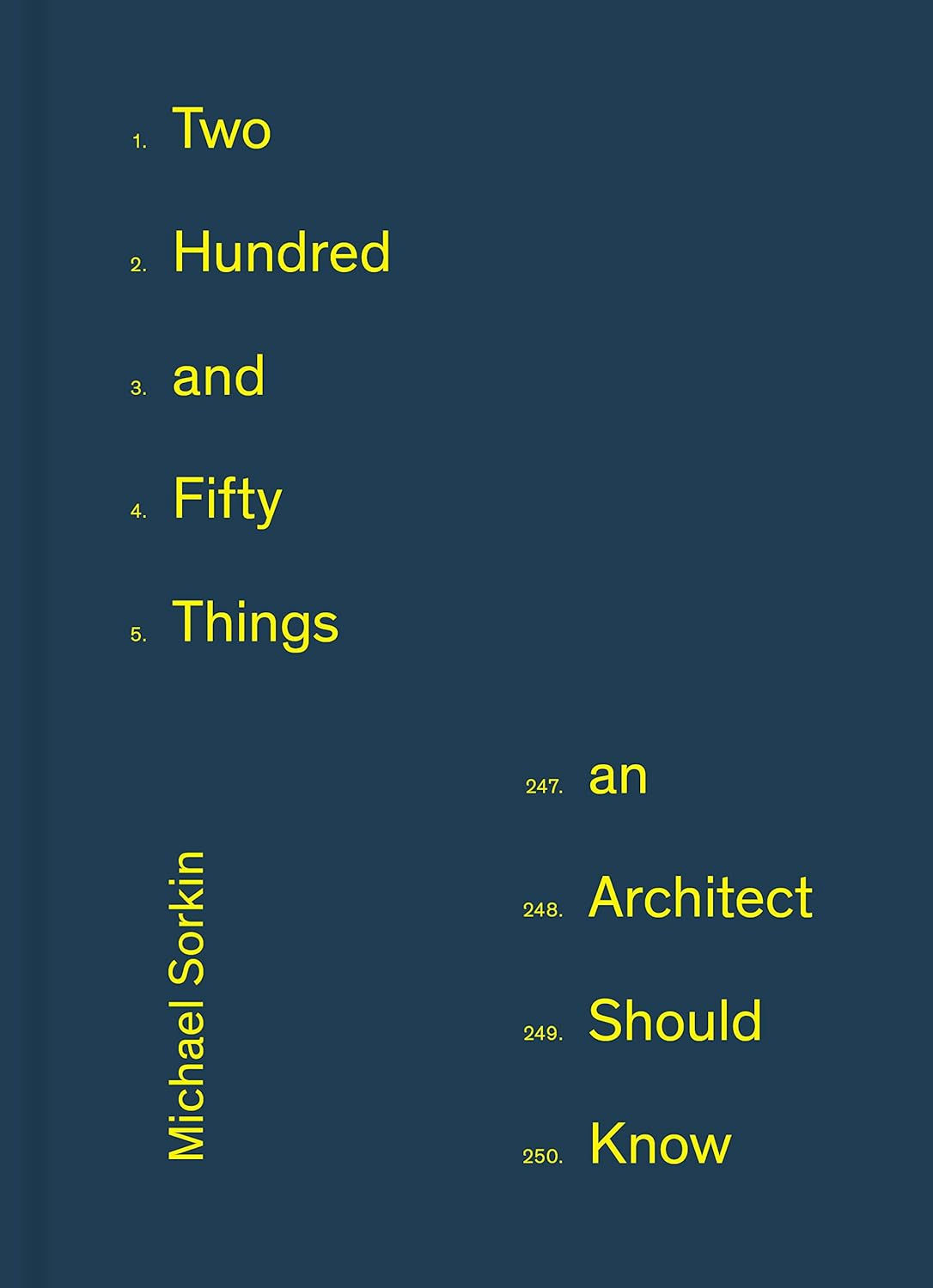
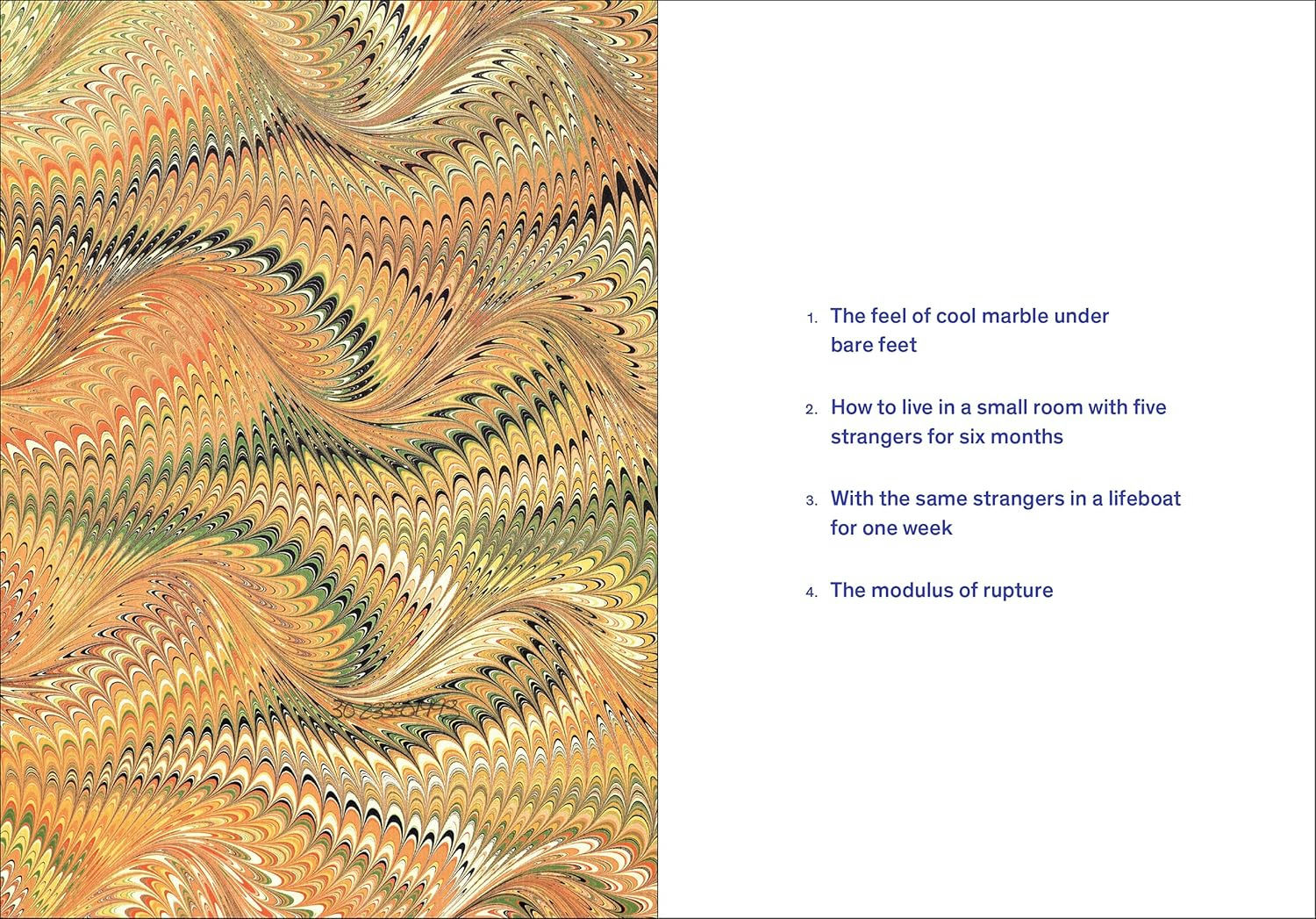
From iconic architect and critic Michael Sorkin comes a joyful celebration of architecture and city-making, told through his famous list, in one beautiful, illustrated book.
Equal parts poetic, practical, playful, and wise, Two Hundred and Fifty Things an Architect Should Know presents a compelling and perceptive list of essential knowledge that Michael Sorkin composed during his renowned career as an architect, urbanist, critic, and force for justice and equity in design. In this first posthumous collection of Sorkin's work, entries are paired with 100 poignant and elegant color and black-and-white photographs, illustrations, and archival images.
Michel Pastoureau, 2012
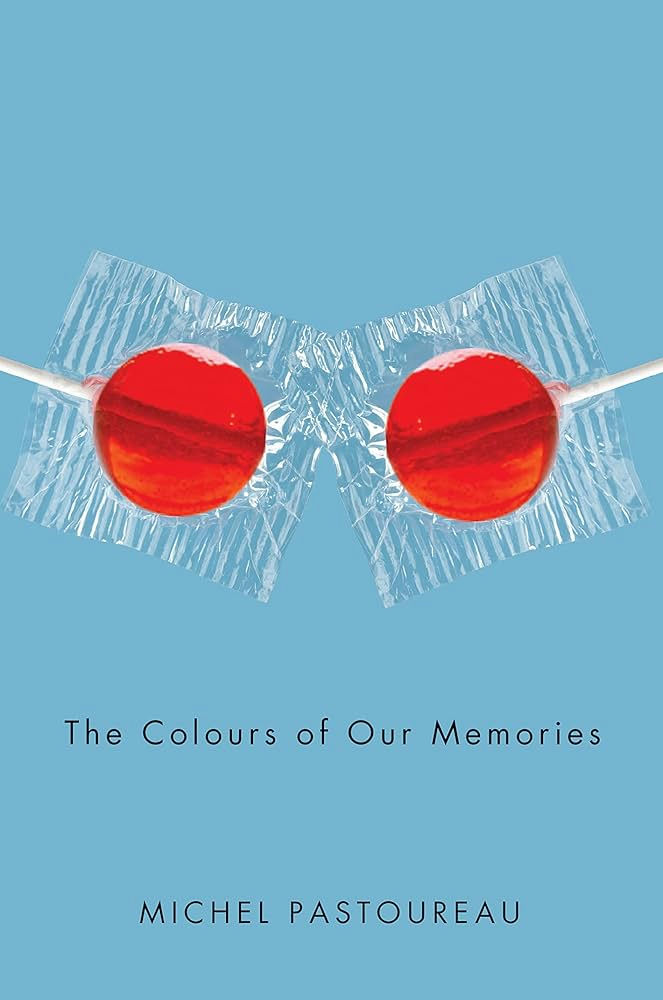
What remains of the colours of our childhood? What are our memories of a blue rabbit, a red dress, a yellow bike – and were they really those colours? What colours do we associate with our student years, our first loves, our adult lives? How does colour leave its mark on memory?
In an attempt to answer these and other questions, Michel Pastoureau presents us with a journal about colours that covers half a century. Drawing on personal recollections, he retraces the recent history of colours through an exploration of fashion and clothing, everyday objects and practices, emblems and flags, sport, literature, museums and art.
This text – playful, poetic, nostalgic – records the life of both the author and his contemporaries. We live in a world increasingly bursting with colour, in which colour remains a focus for memory, a source of delight and, most of all, an invitation to dream.
Alain De Botton, 2006
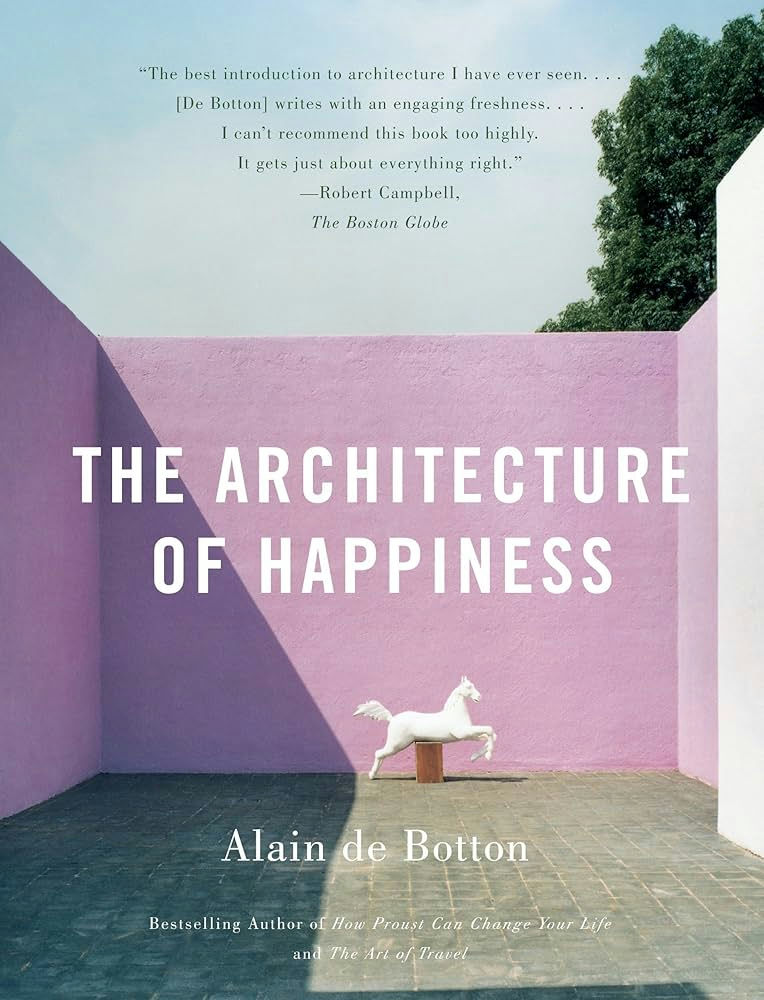
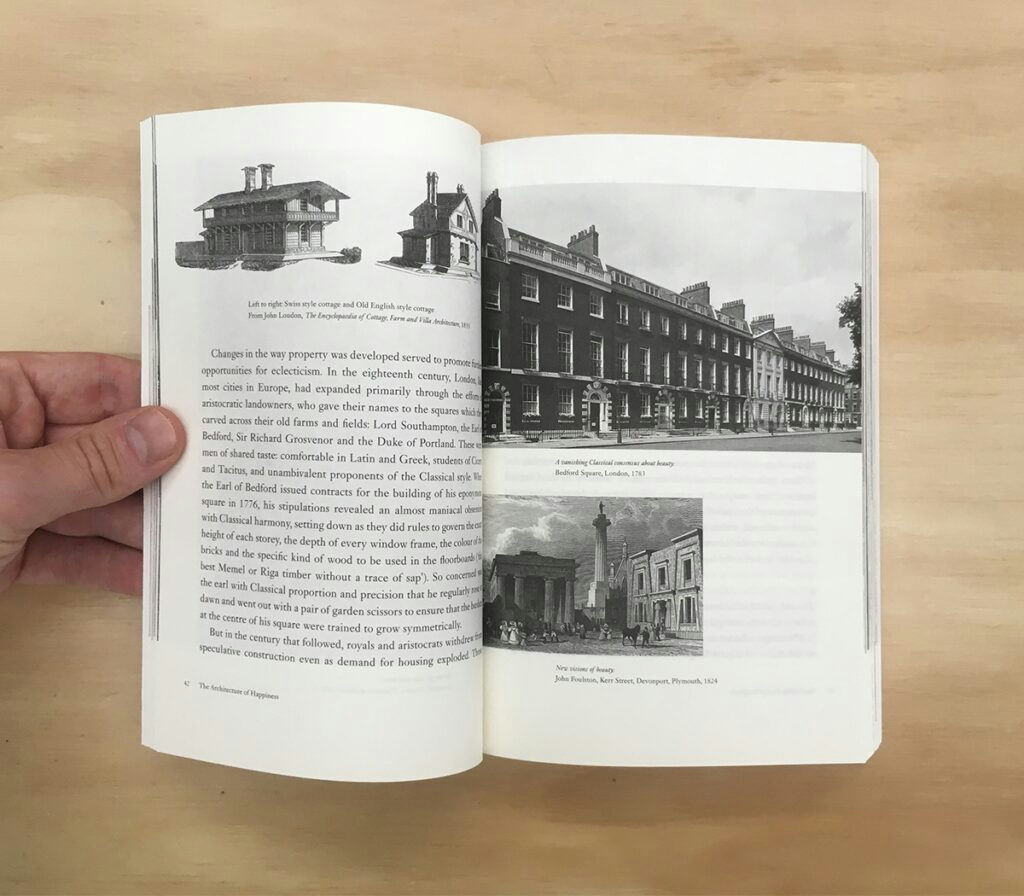
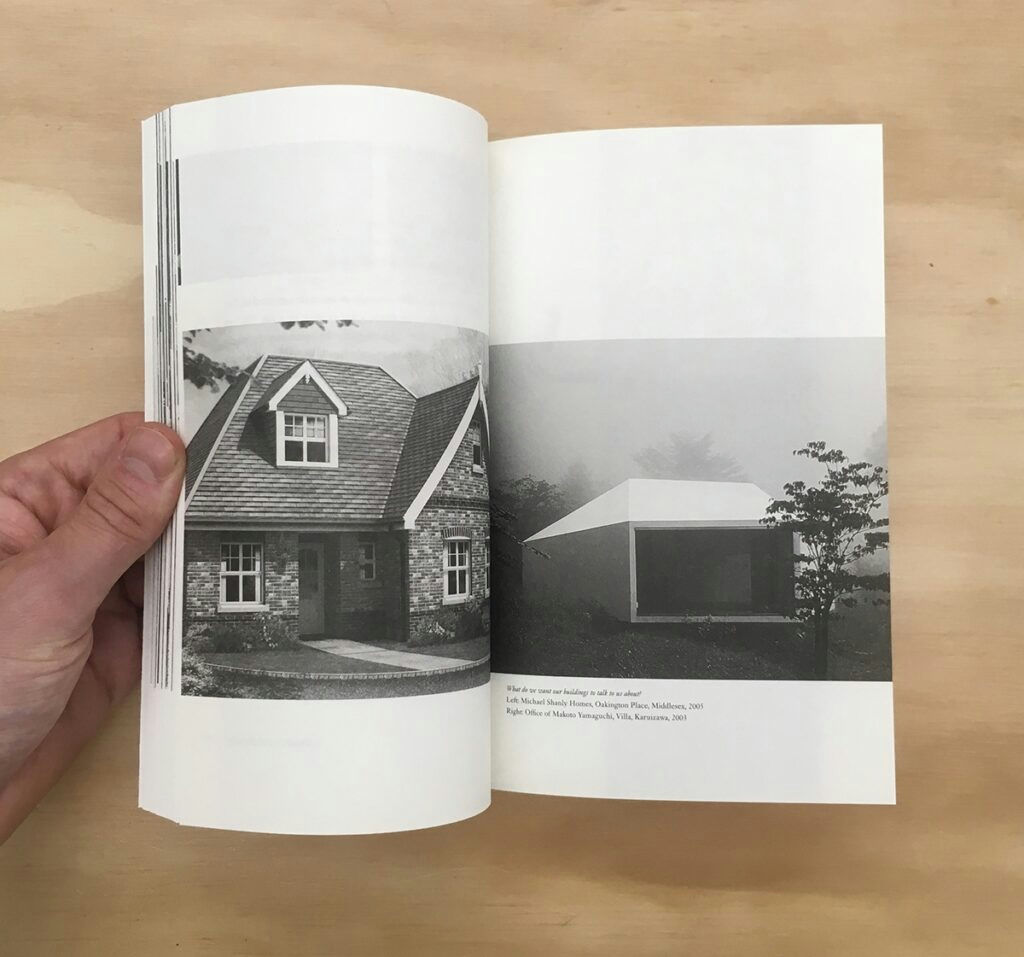
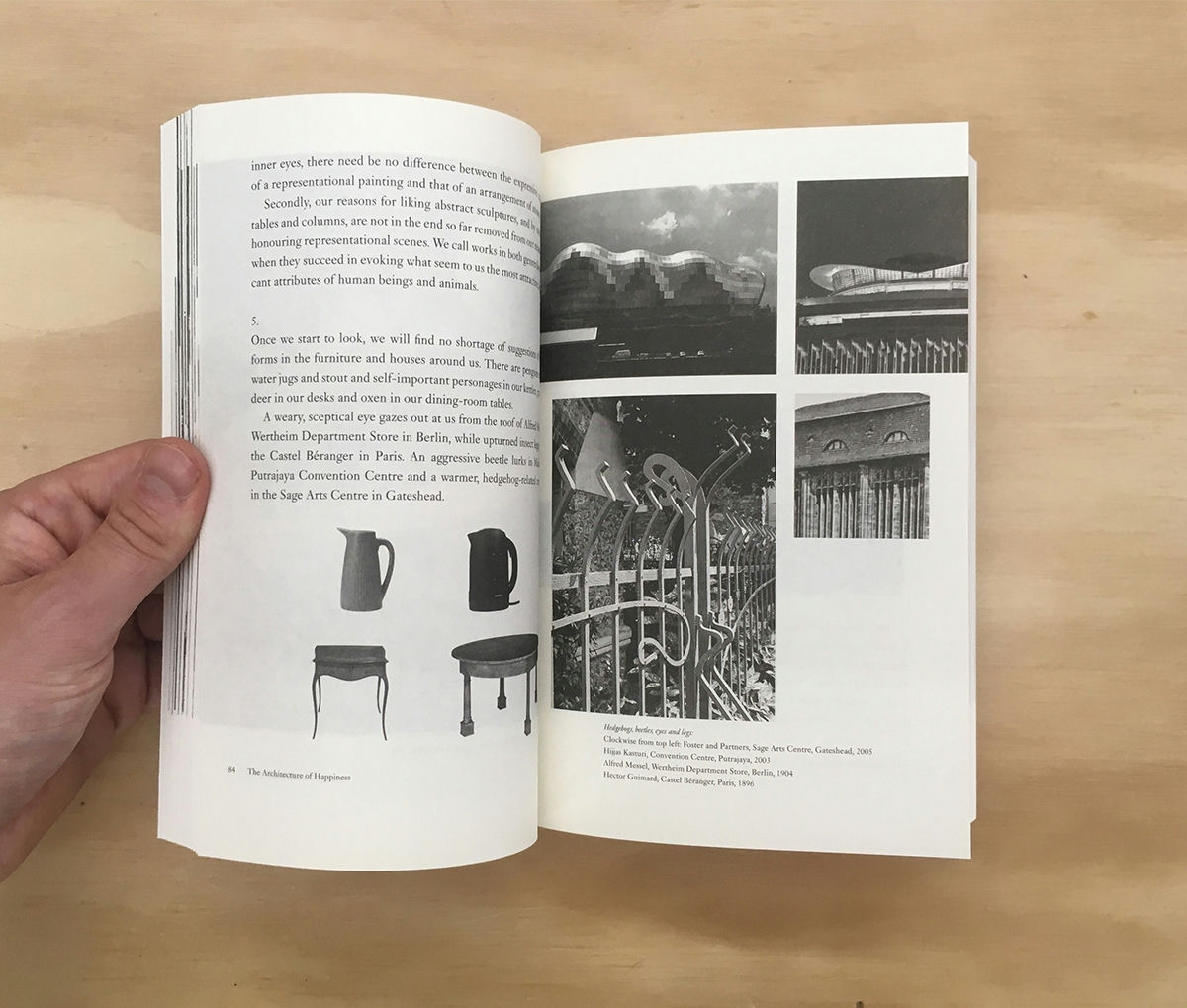
A tour through the philosophy and psychology of architecture, which aims to change the way we think about our homes, streets and ourselves. Alain De Botton writes in a personal and thought-provoking manner, weaving diverse experiences into an insightful thesis, and asking the readers to join in.
Don Norman (1988)
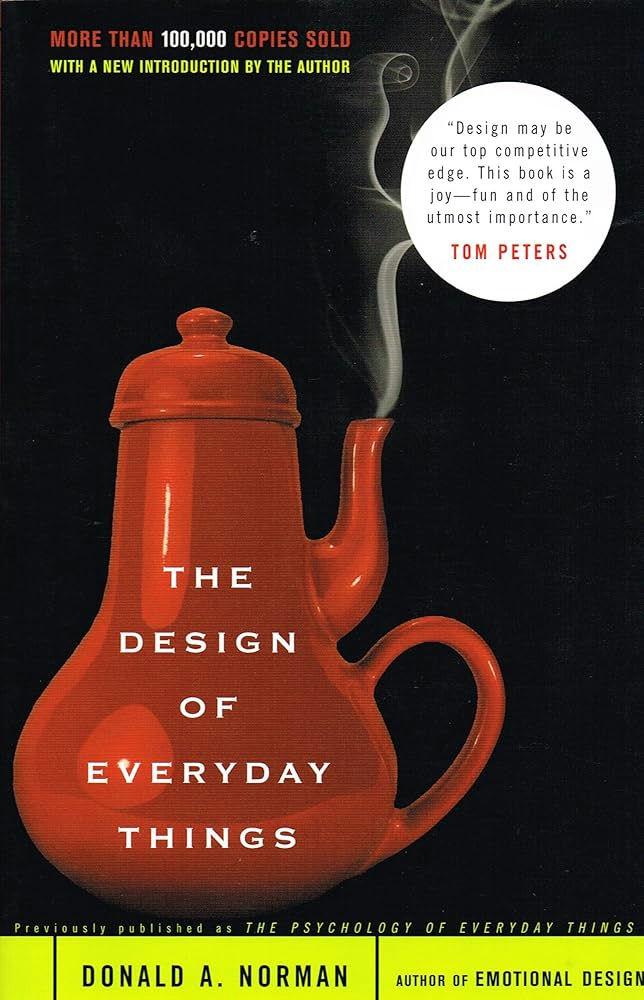
Cognitive scientist Don Norman discusses the principles of cognitive psychology, and its application in product design. The problems range from ambiguous and hidden controls to arbitrary relationships between controls and functions, coupled with a lack of feedback or other assistance and unreasonable demands on memorization. book shows that good, usable design is possible. The rules are simple: make things visible, exploit natural relationships that couple function and control, and make intelligent use of constraints. The goal: guide the user effortlessly to the right action on the right control at the right time.
Drew Plunkett, 2020
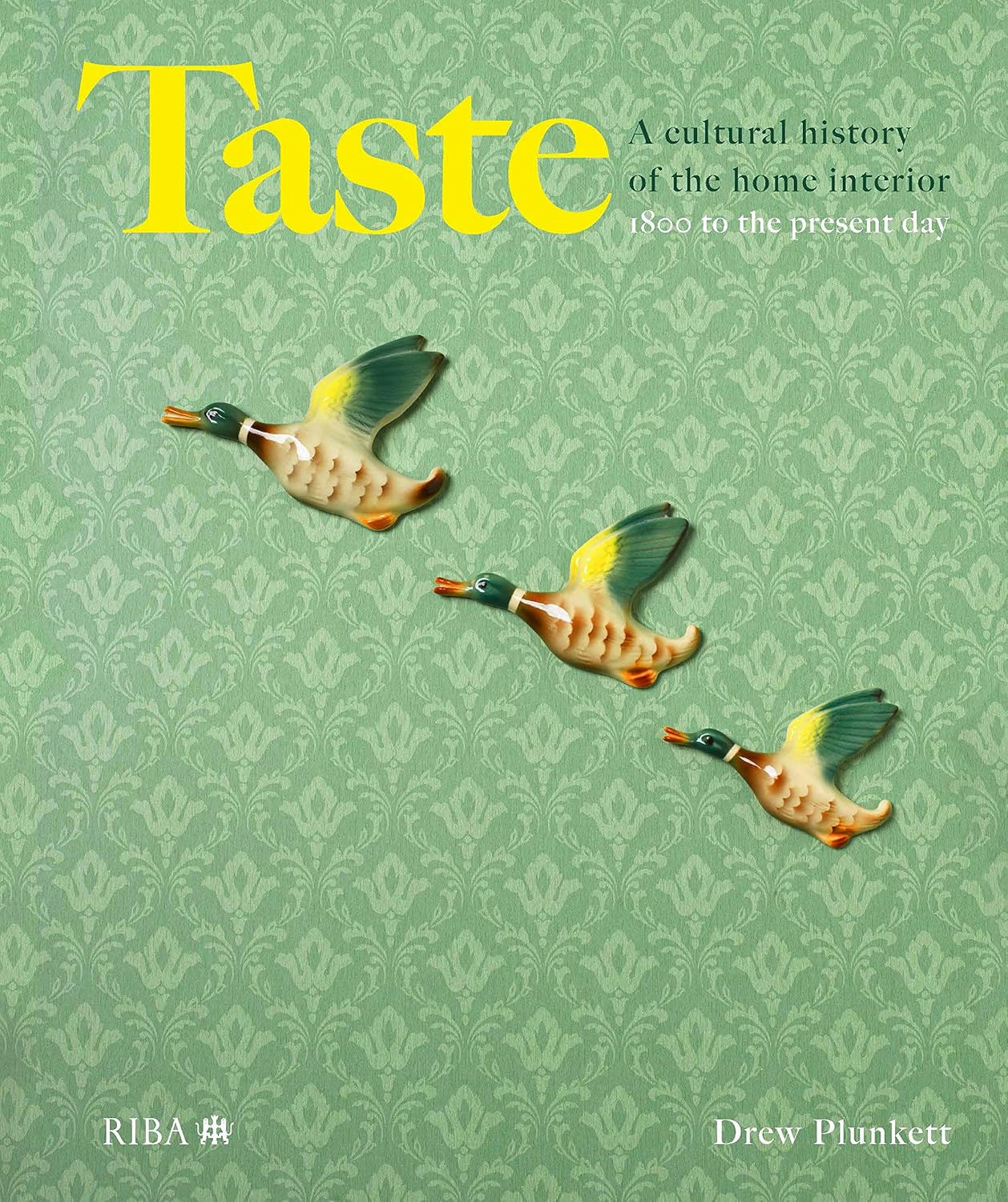
Democratic in intention and approach, the book will argue that the home interior, as independently created by the 'amateur' householder, offers a continuous informal critique of shifting architectural styles (most notably with the advent of Modernism) and the design mainstream. Indeed, it will suggest that the popular increasingly exerts an influence on the professional.
Underpinned by academic rigour, but not in thrall to it, above all this book is an engaging attempt to identify the cultural drivers of aesthetic change in the home, extrapolating the wider influence of 'taste' to a broad audience - both professional and 'trade'. In so doing, it will explore enthralling territory - money, class, power and influence.
Junichiro Tanizaki, 1933
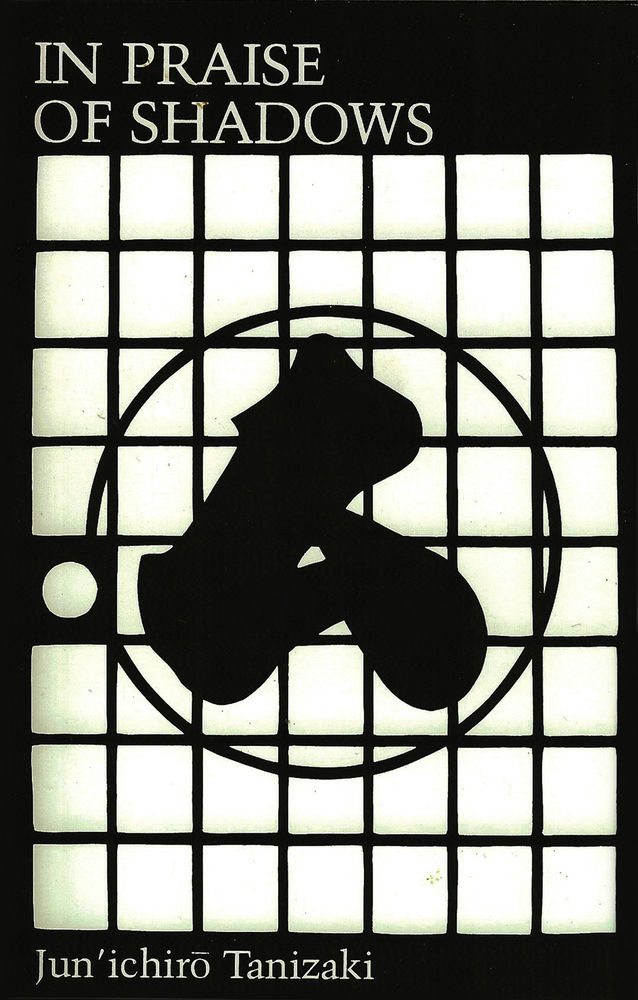
An essay on aesthetics by the Japanese novelist, this book explores architecture, jade, food, and even toilets, combining an acute sense of the use of space in buildings. Tanizaki captures in an amusing, flowing commentary on beauty, architecture, drama, food, feminine beauty, and many other aspects of Japanese life the uneasy mixing of two clashing esthetic traditions.