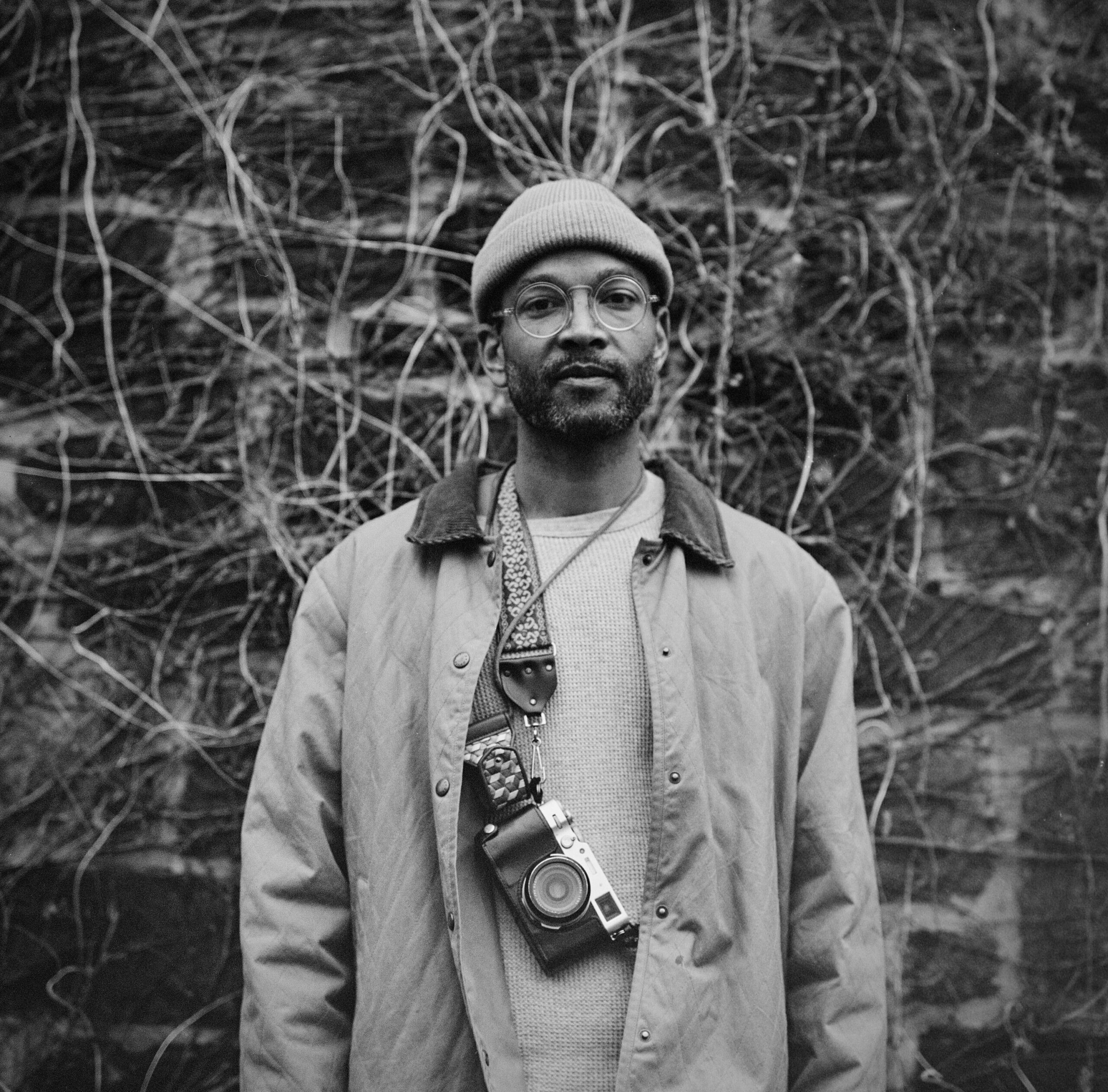
Akin McKenzie is a production designer known for his inclusive storytelling and attention to cultural details that are often overlooked. His most recent work can be seen in the acclaimed film The Woman King, directed by Gina Prince-Bythewood. McKenzie has also designed award-winning television series and films, including Ava DuVernay’s When They See Us and Terence Nance’s Random Acts of Flyness, both celebrated for their exploration of history, identity, and empowerment. His other notable credits include Rashid Johnson’s Native Son, Paul Dano’s Wildlife (released by the Criterion Collection), and Todd Solondz’s Wiener-Dog. His upcoming projects include two films scheduled for release at the end of this year: India Donaldson’s The Chaperones and Bassam Tariq’s Your Mother, Your Mother, Your Mother.
The way you see the world is shaping your art, your empathy and your life more than you realize. In Episode 22 of Apotheosis, production designer Akin McKenzie makes the case that creativity is really about the courage to look past the “correct” version of things.
What begins in a pitch-black restaurant in Los Angeles opens into a powerful conversation about how removing sight, status and familiar cues reveals what is actually true. McKenzie and host Alexander Whittenberg unpack why the best design work often comes from noticing the vibrations of a place rather than forcing your own assumptions onto it.
McKenzie also breaks down the hidden power of film, television and even 30-second commercials to reinforce beliefs about who matters, who gets celebrated and who gets left behind. He makes a powerful argument for resisting the pull of hierarchy and making compassionate stories that help people feel seen rather than judged.
If you’ve ever wondered how to stay compassionately creative in a world that rewards conformity, this episode will stay with you.
The Throne Room in The Woman King.
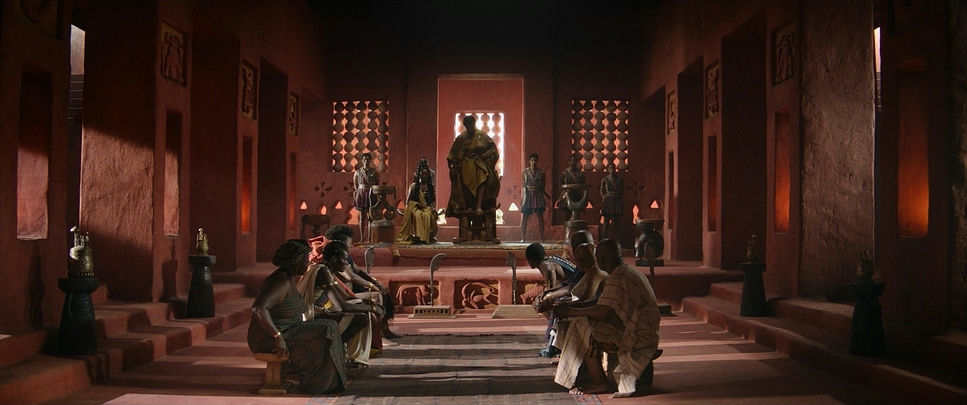
"Let us be full of curiosity, kindness and awe. Let us fill ourselves up with that all the time."
The space between Jerry Brinson (Jake Gyllenhaal) and Jeanette Brinson (Carey Mulligan) speaks volumes in Wildlife.
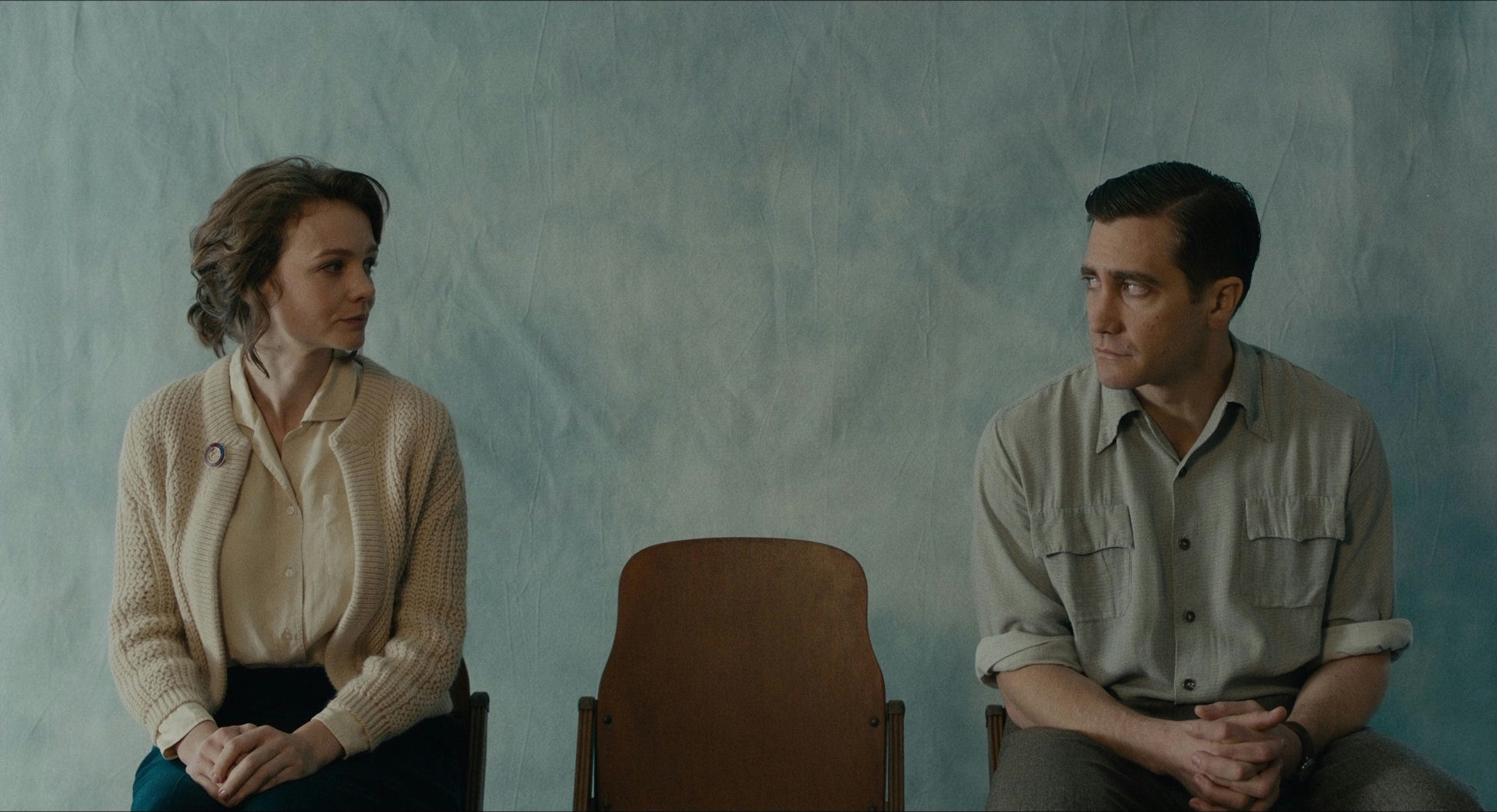
A moment of quietness for Linda McCray (Marsha Stephanie Blake) in When They See Us.
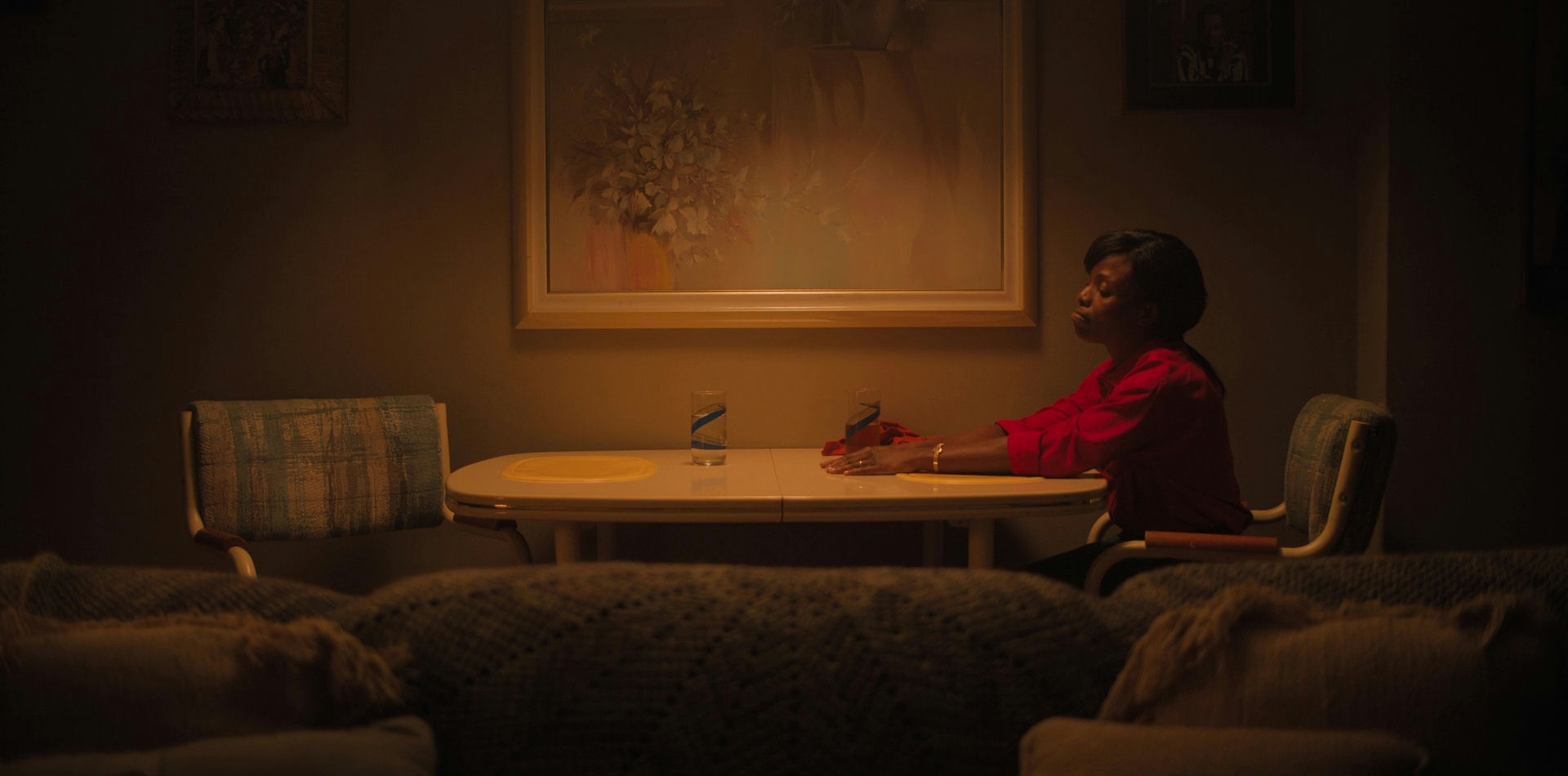
"True moments in filmmaking for me always feel like accidents. So we create a space in which these accidents can happen."
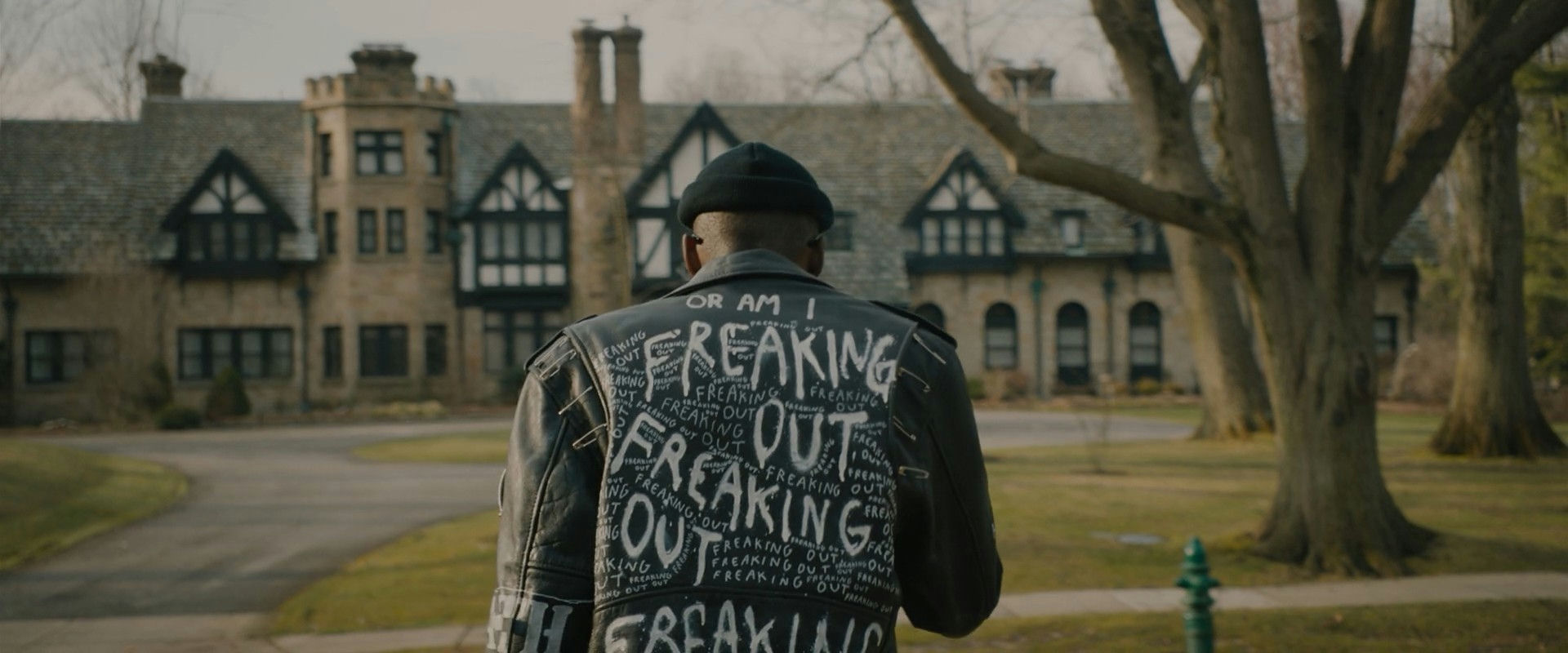
Bigger Thomas (Ashton Sanders) in Native Son.