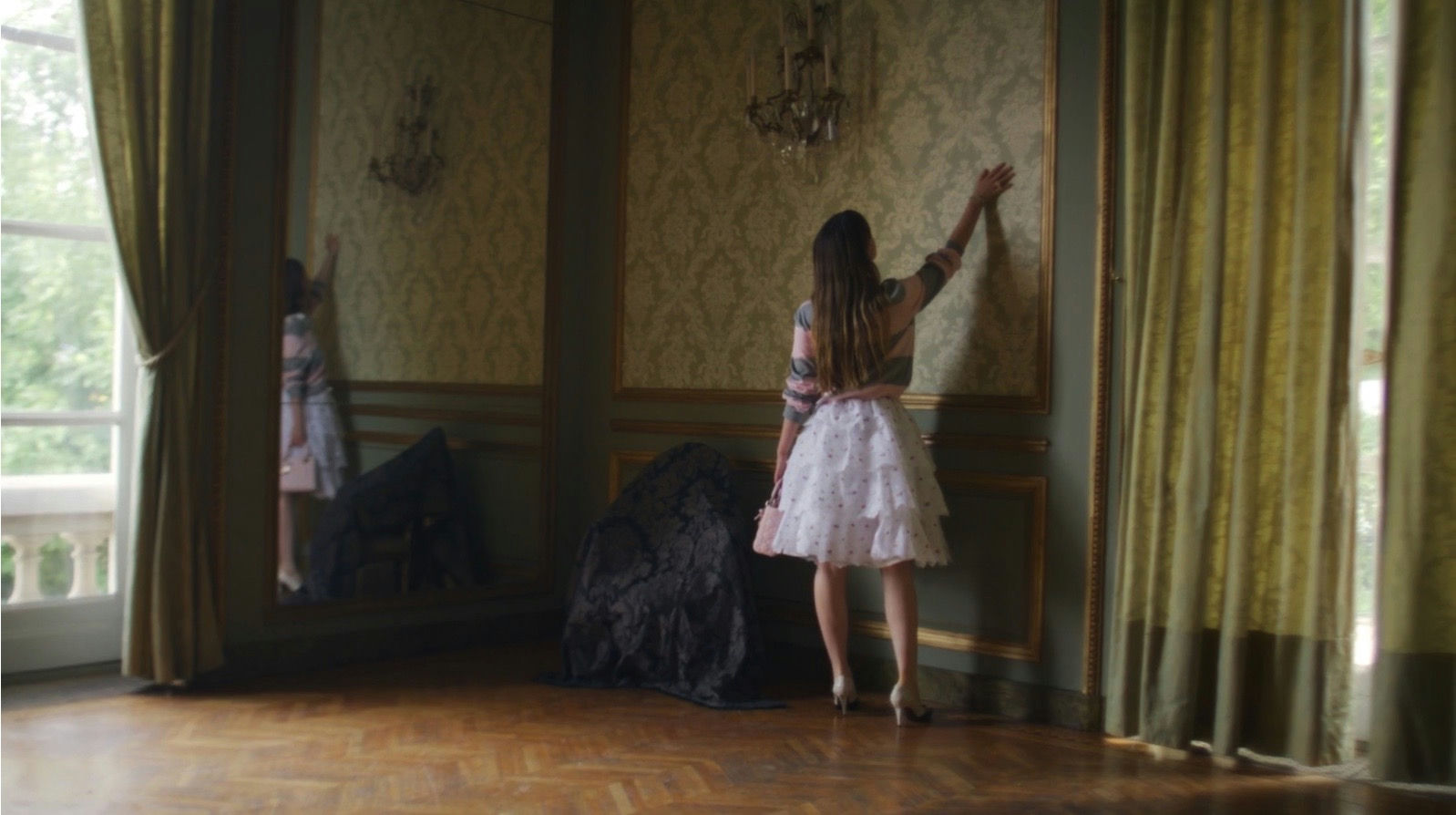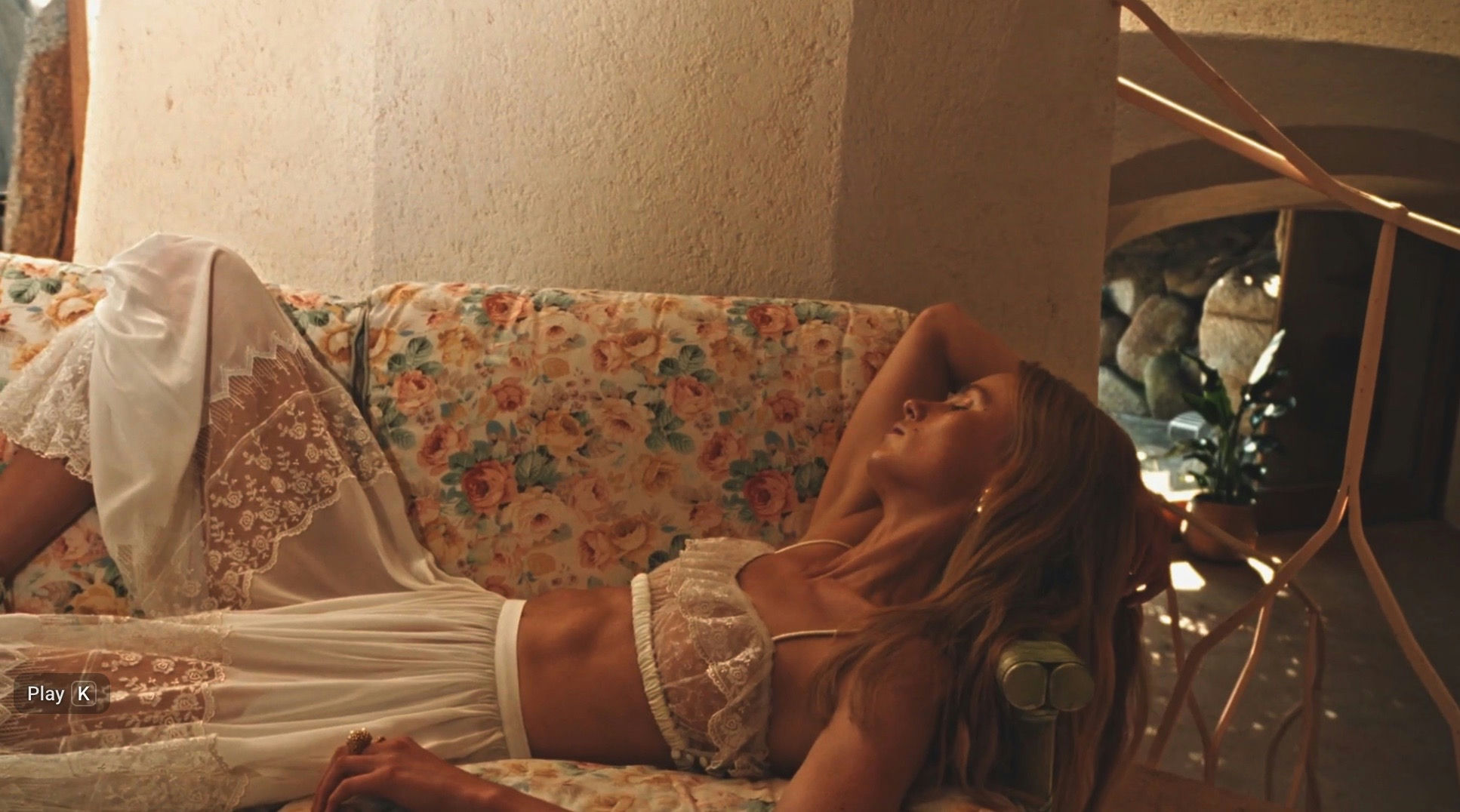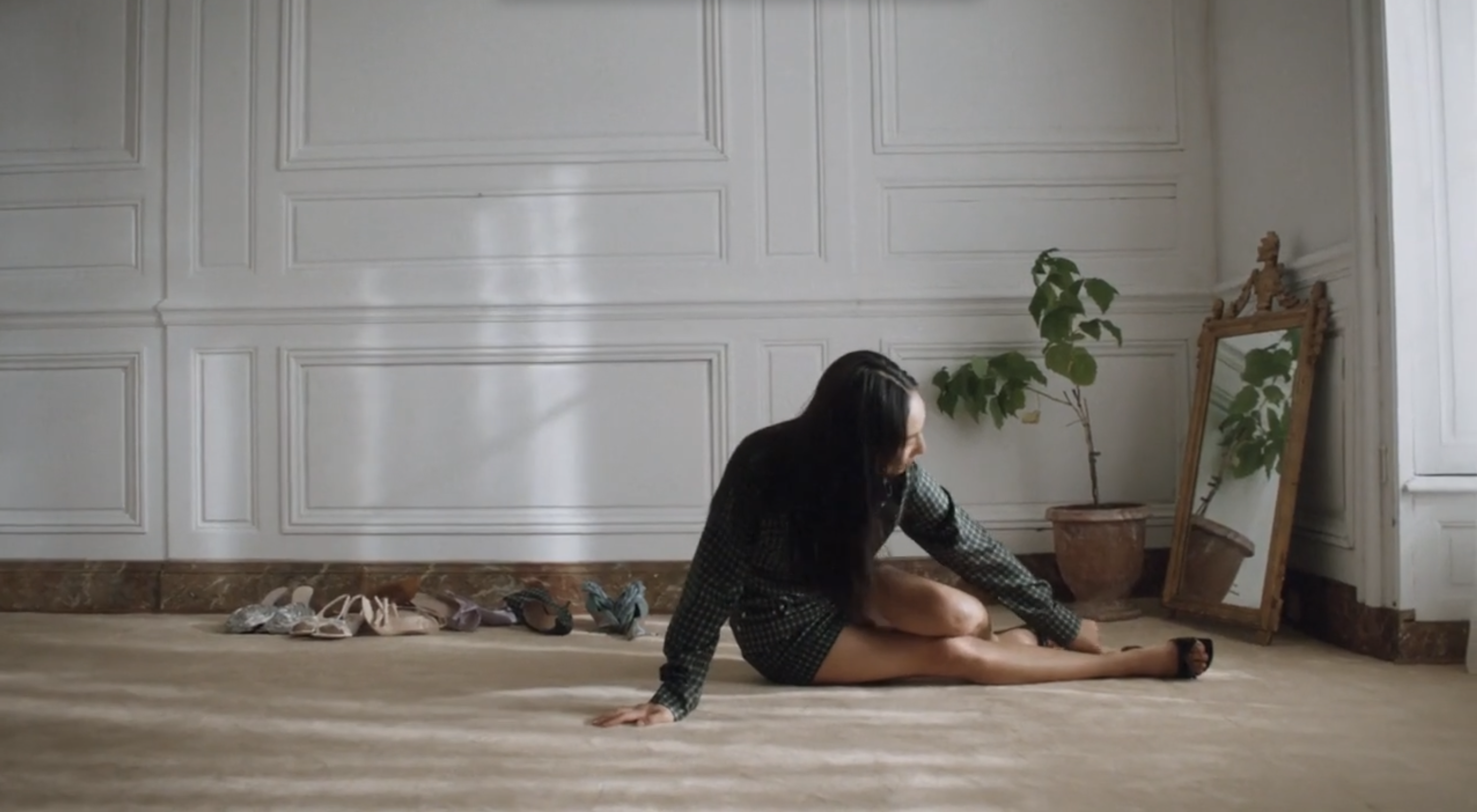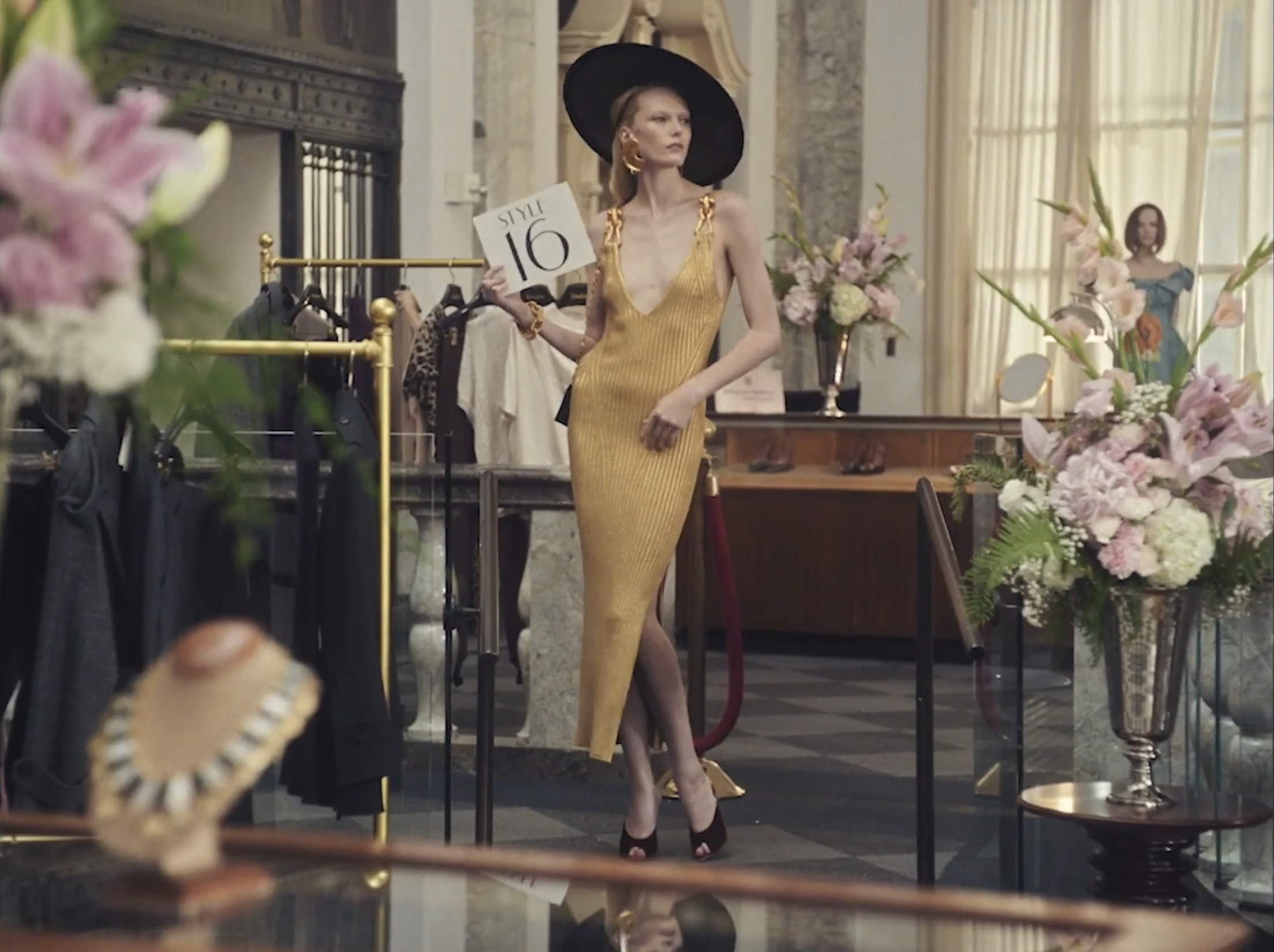
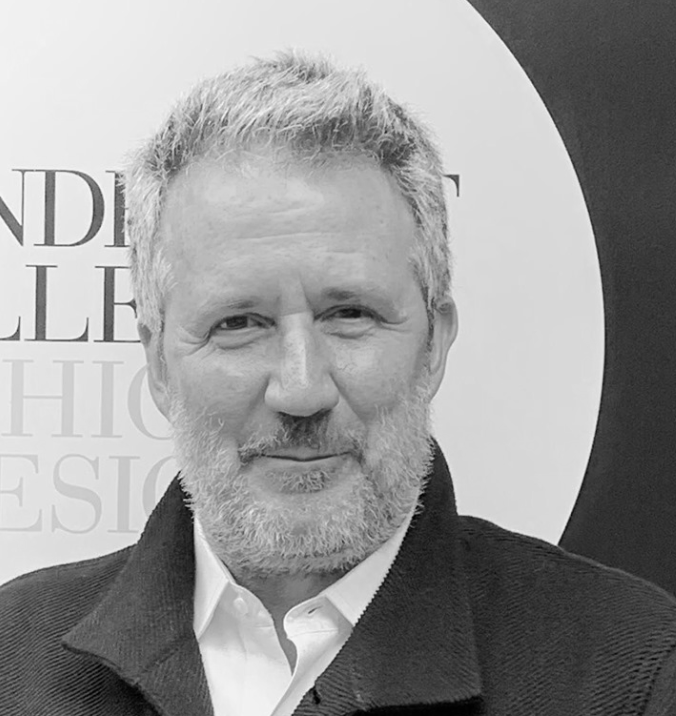
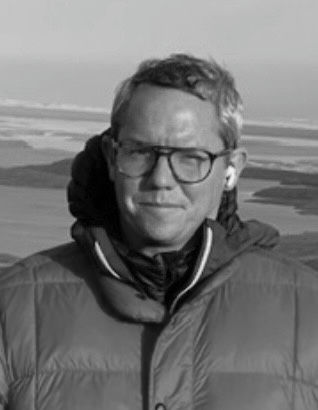
Gideon Ponte began his career in the vibrant art scene of 1980s New York City, influenced by the punk era and the emerging no wave cinema.
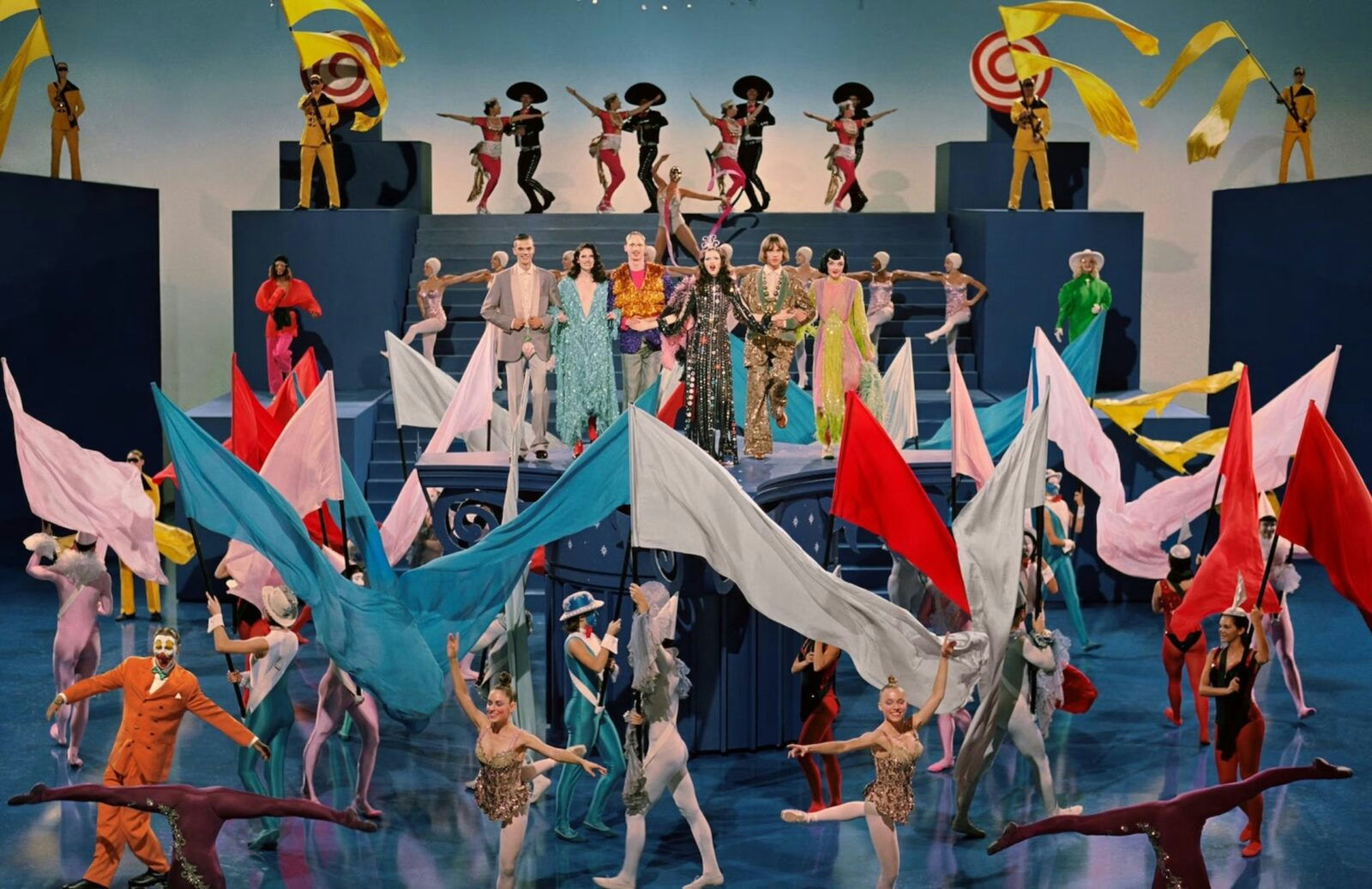
Gideon’s work blends high and low culture, drawing inspiration from fashion, independent film, and photography. His contributions extend to fashion, designing sets for campaigns with Prada, Gucci, Saint Laurent, Chanel, and more.
When I started, fashion commercials wouldn't even have a story. You were expected to just play. You might spend a day making a bunch of images, come back the next day and hear, “It's not really working,” and they'd be put in the bin. Then you'd have to start again. It was much more improvisational.
There's the language of image, which has changed radically over the last 20 years, but then there's the practical side of making images, which has so much to do with problem-solving. You get on set and you're trying to make these things work, but what's in front of you isn't necessarily the same thing as what the camera sees. People expect you to make a set out of real, expensive materials, but sometimes those materials don't photograph well. We're not necessarily making luxury images because we're working with luxury brands. We're making the images that become fashion imagery.
In fashion commercials and films, we also move really fast. We have a lot to do in a day. It's now five units on every shoot, with different crews doing different things, and we normally get about a week to work through it all. It's fast. You're joining the circus.
We work very small, even though the image expands beyond the physical set. I do all the drawings, which is really important to me because it's how I figure out the problems. If I can get the drawings to work, then I know the carpenters can build it. I know it can be lit, and I can figure out how it will photograph.
Because our world is so small and more abstract, we have a little more ability to unfold it in a less specific, clinical way. We're encouraged to bring our own thinking to it. We're following the brief, but we're brought on to bring something to it as well.
A big part of the process is also managing expectations and protecting the crew. We get put in situations where a lot is being thrown at us, and you have to figure out what is actually possible. Allowing for things to change is part of the design process. You have to be able to take the punches as they come without passing the stress down.
Research is another important part of the process. When we started, there were bookshops full of secondhand books, and you could spend four hours trying to find that one book that would feed your practice. You don't always want to look for images that already resonate. It's about finding the discarded images because who's to say why an image is good or bad? A bad photograph can be just as interesting as a professionally made one.
There are so many ways of making imagery, and the more you look at it and dig for it, the better off you'll be when you're starting out. Don't always look to yourself to solve every problem. Look at other people's photographs so you can become sensitive to what a photograph is, how it works on you, how it makes you feel and why it makes you feel that way.
The ability to communicate through drawing and imagery has always been key to what we do. I've worked through Vectorworks, 3ds Max and V-Ray, and now I'm back to drawing. It's quite nice to pick up a pencil.
AI is changing the way we think about making images, but I'm cautious about how frictionless it can make the process. Part of the process is the friction, part of it is the discovery, and AI can make things too easy. You can now build a very compelling image within a machine. It can fool your eye, but it can also produce an explicit image without the depth or information that a construction team needs. It's a turning point, but we'll have to see where it takes us.
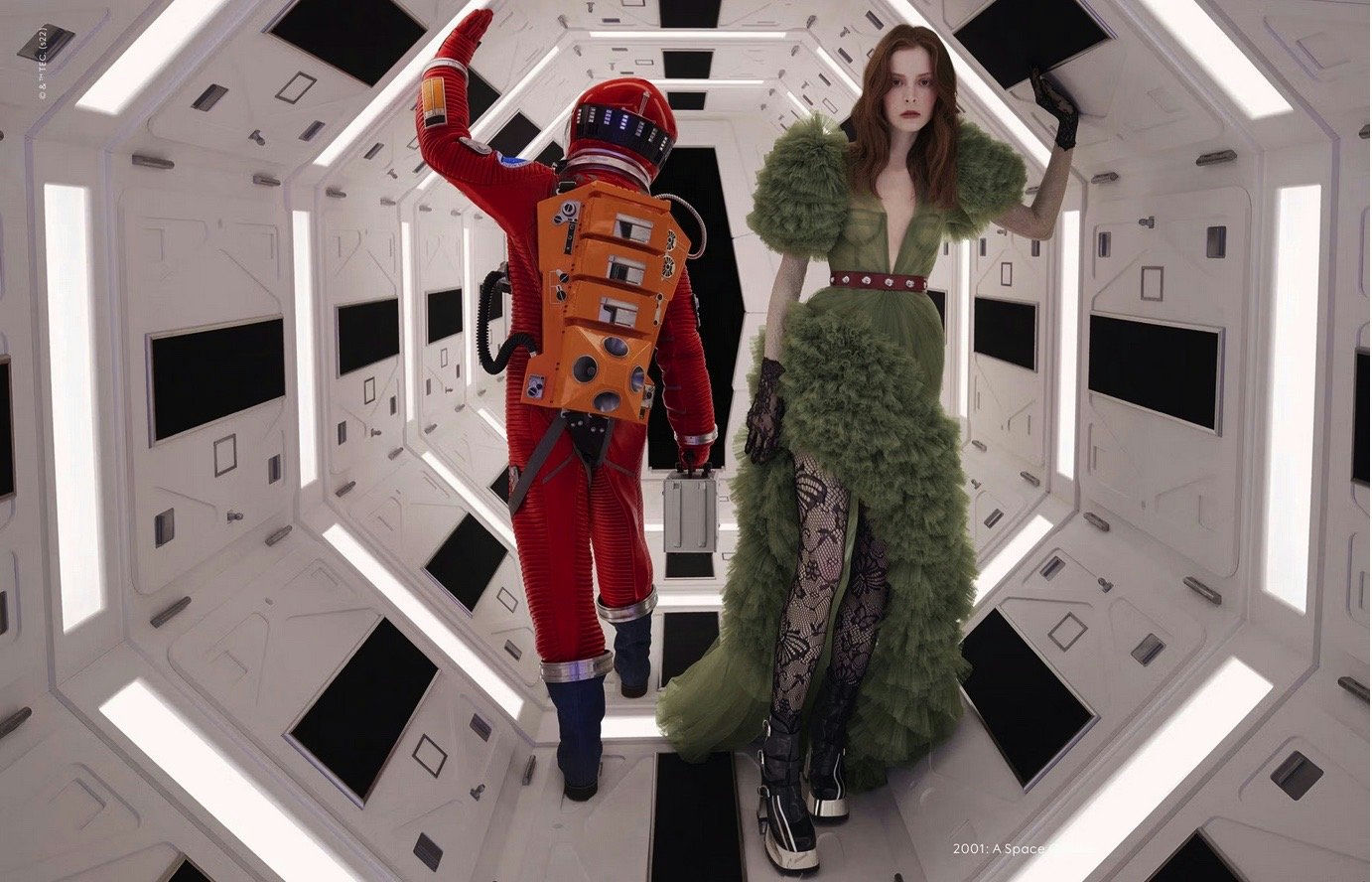
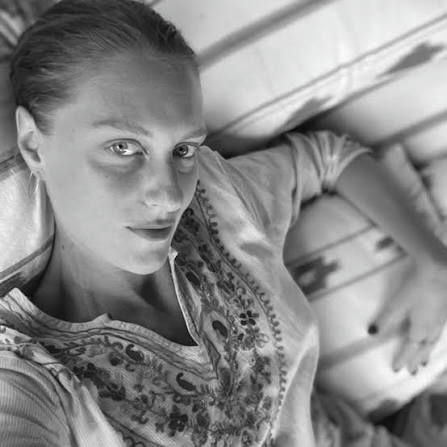
Victoria Salomoni holds a Master's degree in Production Design at the National School of Cinema in Rome. During this program, Victoria also had the chance to explore the fashion industry, where she was captivated by its creative and versatile nature. Victoria finds joy in the versatility of scenography, appreciating not only its technical, cultural, and perceptual aspects but also the psychological and interpretative elements it entails.
When I do research, it's not just about collecting many images. It's about finding a language for the job I'm approaching. Sometimes it can be a photo, something I saw during a trip, a texture or an object. It can be the starting point for the whole project.
Sometimes when I put images together for research, they don't match with each other, but I see the melting point. That's my job, to put these things together and make that clear for the client. Basically, we start with some references coming from the client. Once I get those references, I start doing my whole research through books and through any kind of idea that connects me to the project.
The first thing I do is the floor plan, maybe because of my architectural background. The first thing I want to do is understand the space and how I can move around it. After that, I start working on the color palette, which is quite important as well. There's a big connection between construction and set dressing that you always have to keep in mind.
Then I go into more detail with the individual rooms and do material research for each one. At the same time, I start the props research. It's not really something that comes later. It starts from the beginning, but as I get more into the details, I do the proper selection connected to the space around it.
I try to be as clear as possible on my documents because usually we talk to very different people. We talk to clients, photographers and productions, and everybody needs different information. Everybody has different knowledge about our job. The more I can explain myself through the presentation, the fewer questions I have afterward.
I love to hand-sketch when I have a bit more time. Of course, working with renders is absolutely necessary now, especially for construction and for the client, because they immediately have the image in front of them and understand better what your plan is.
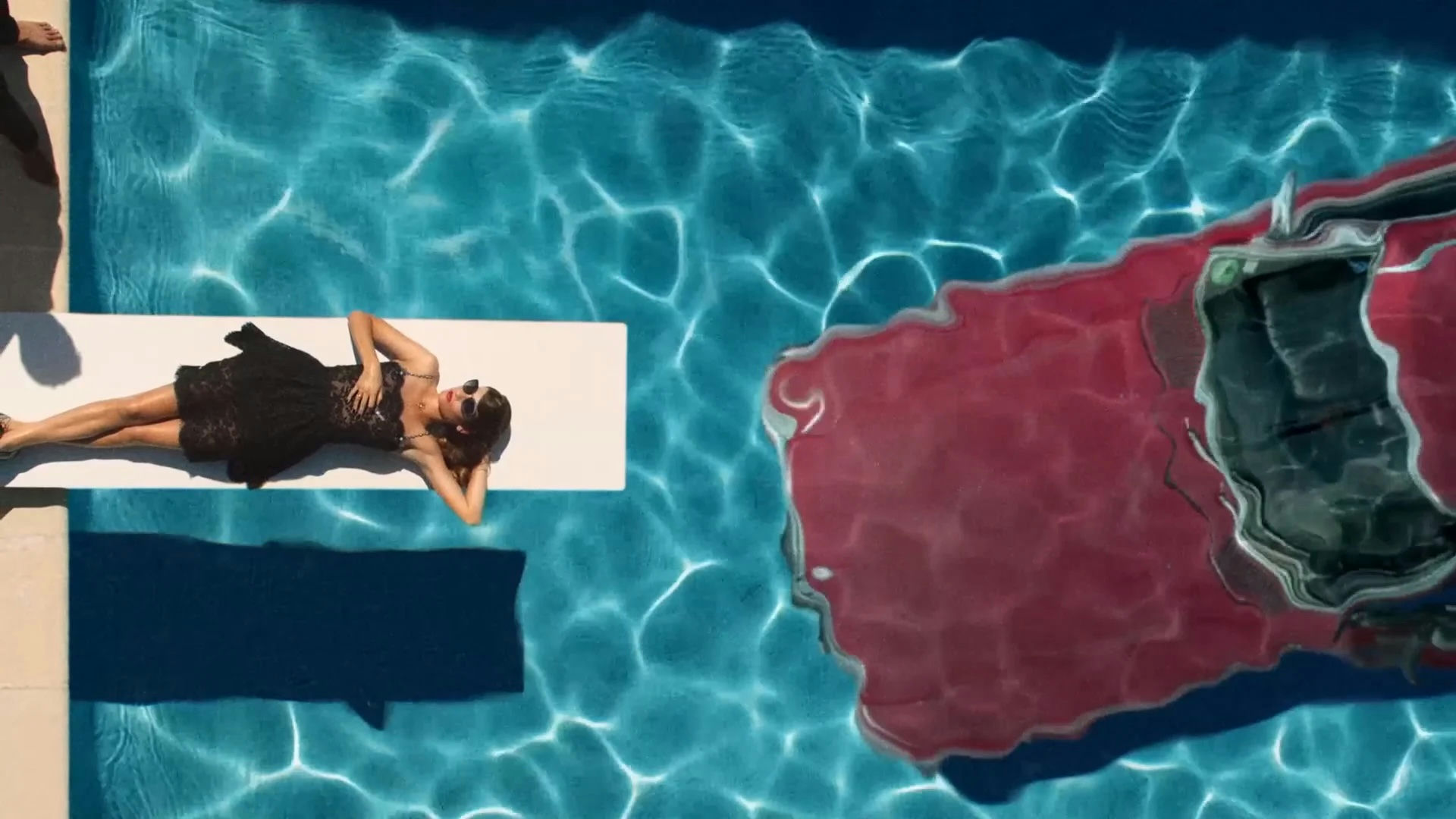
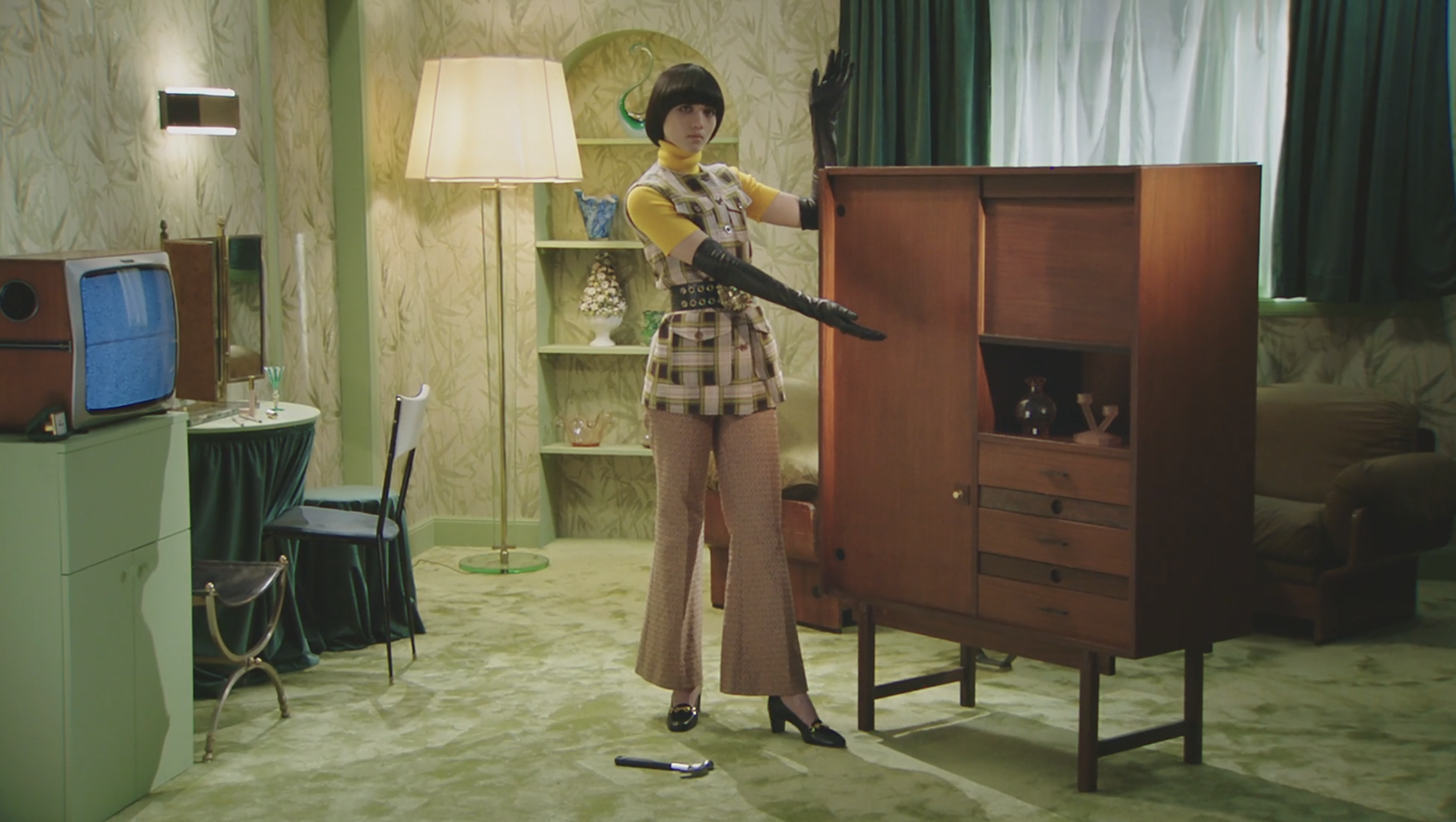
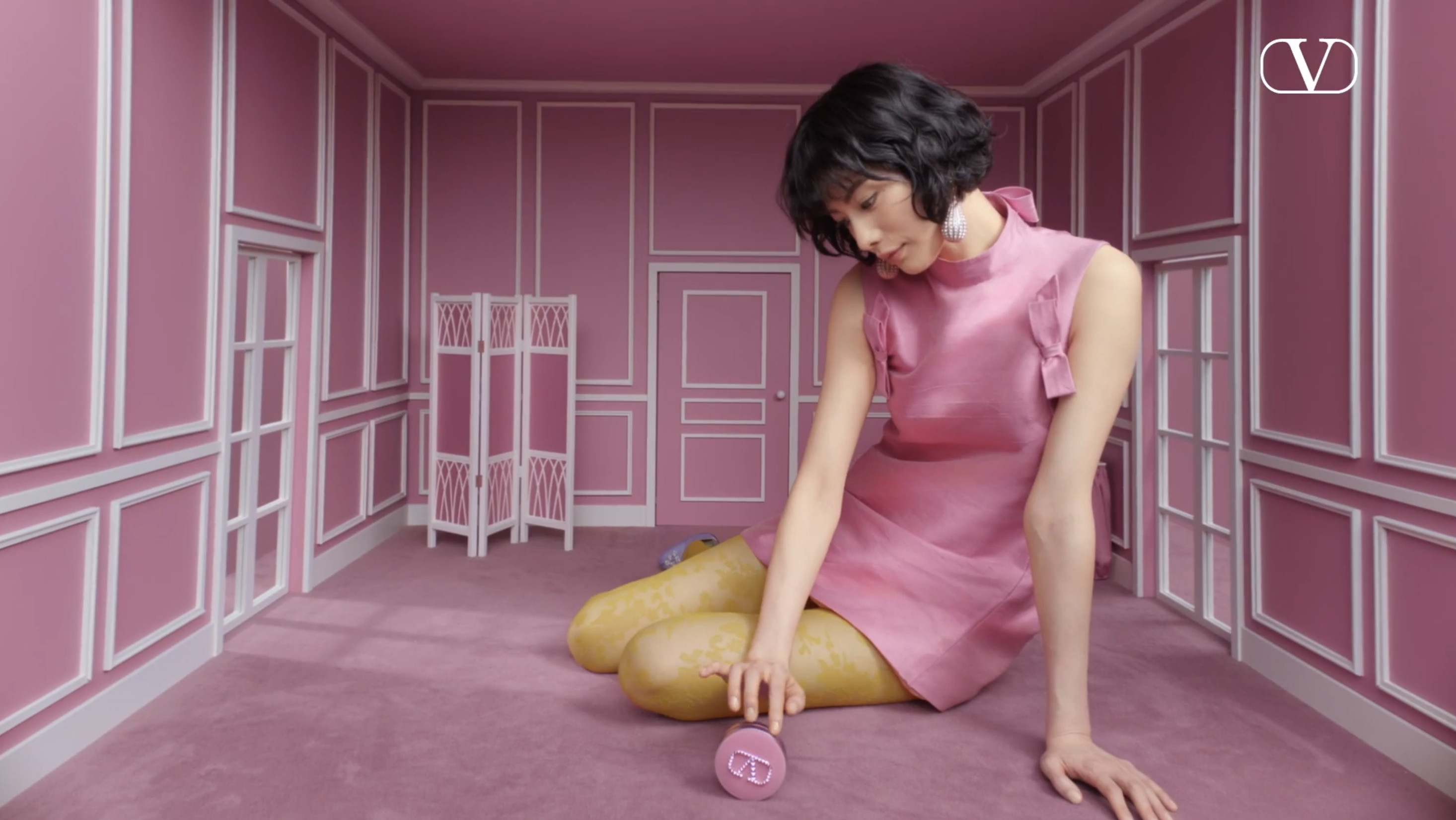
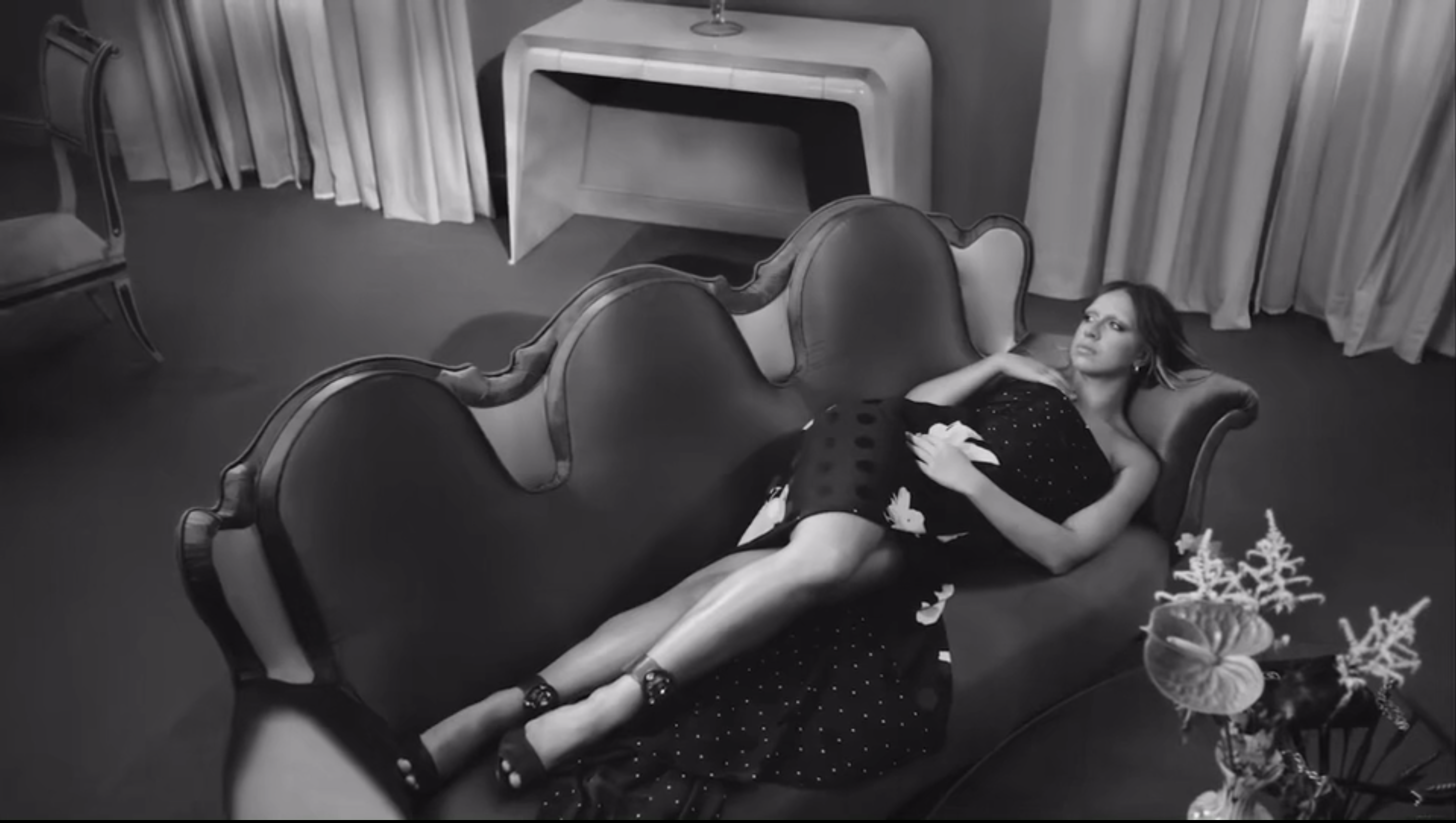
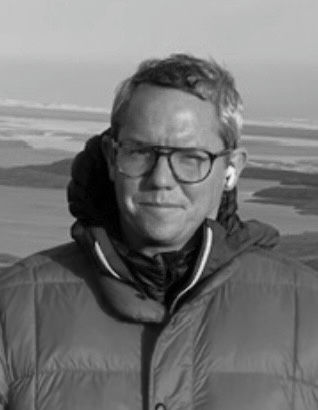
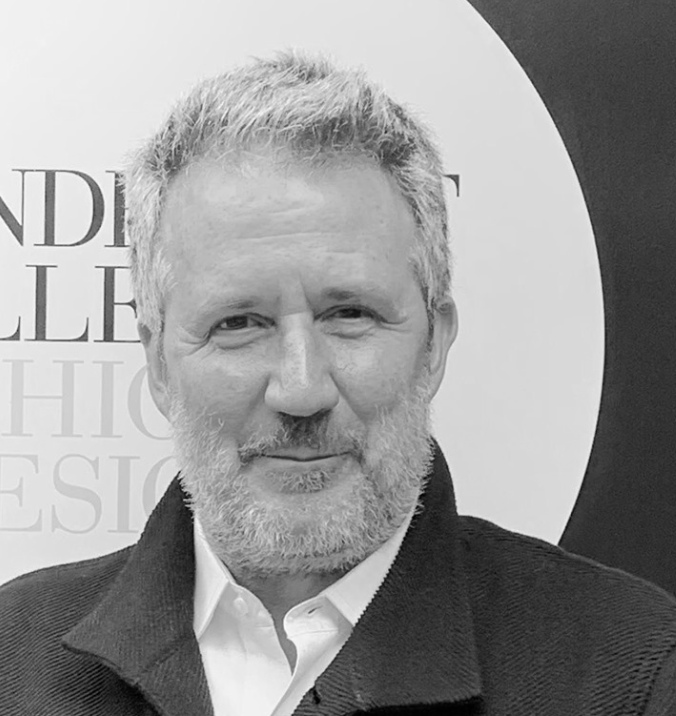
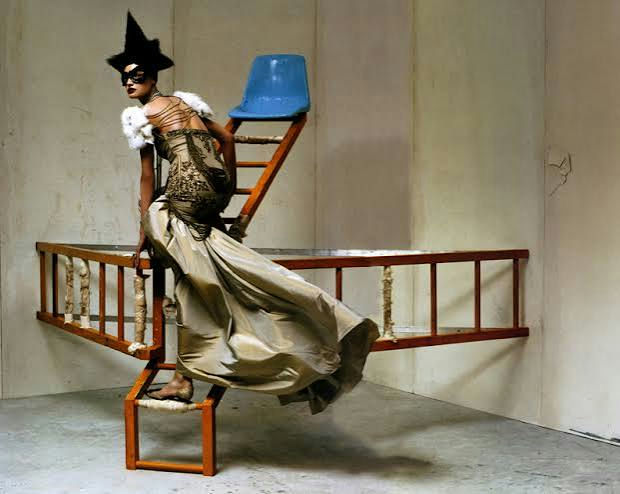
Max Bellhouse is a Production Designer with over 20 years of experience working internationally on fashion campaigns, commercials and feature films. Creating unique environments for high fashion brands such as Gucci and Calvin Klein. His collaboration with photographers such as David Sims, Glen Luchford, Alasdair McLellan, Inez & Vinoodh, and Daniel Jackson has resulted in some truly unforgettable sets over many campaigns.
For me, fashion is voracious in the way it grabs willy-nilly from a million different references, from art and film. I'm not saying it's not original in itself, but you really do grab everywhere. I think you need to be open to as much as possible.
As a kid, I was always mad for jazz, including the design of it and the artwork on album covers. I'm sure I've referenced that subliminally without even knowing it. I think everyone's strong points, if you're interested in things, can come into play with the design.
That also leads into the smaller editorial sets. It saves your bacon if you make them flexible and modular. There's definitely an element of luck and chance. That's when good stuff happens, if you're able to break things up and move them around.
On a project for Balenciaga probably 12 or 14 years ago we started with some old Balenciaga references from the early '60s. We were in New York at the time, and I was getting totally overexcited about Gordon Matta-Clark and things like that. That's where I started thinking about breaking through walls and what would be behind them, with different girders and structures.
On fashion projects, you need to have a really good relationship with construction because you're usually putting them under a terrible timeline with multiple iterations. Even if you've been working together for 15 or 20 years with different set shops, it's still always the same pain because it's a big physical set.
You also have to have people you can bounce ideas off of. On the big jobs, I work with a set designer who is also my sister, and it's so nice having someone you can show drawings to and work things out with before you have to make a decision. Then you're not running it all around in your own head.
The nice thing about fashion shoots is that you really get to do everything on set. It can be me and two other people running around like headless chickens, dressing and moving things around. You can be prop sourcing one day and on set the next, running trucking and everything all together. I think it's important to be as varied in your work as possible and not get stuck in one little area.
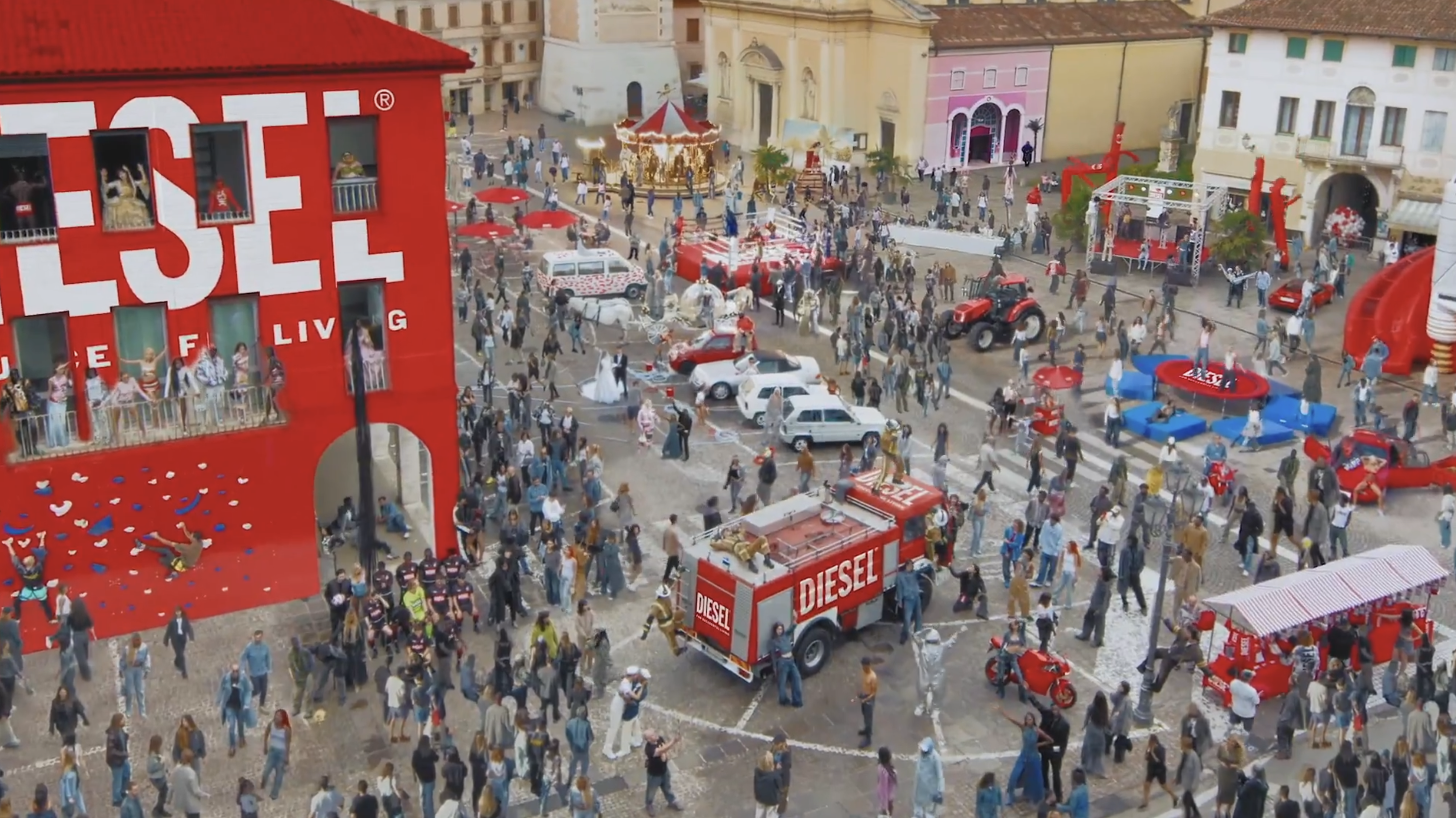
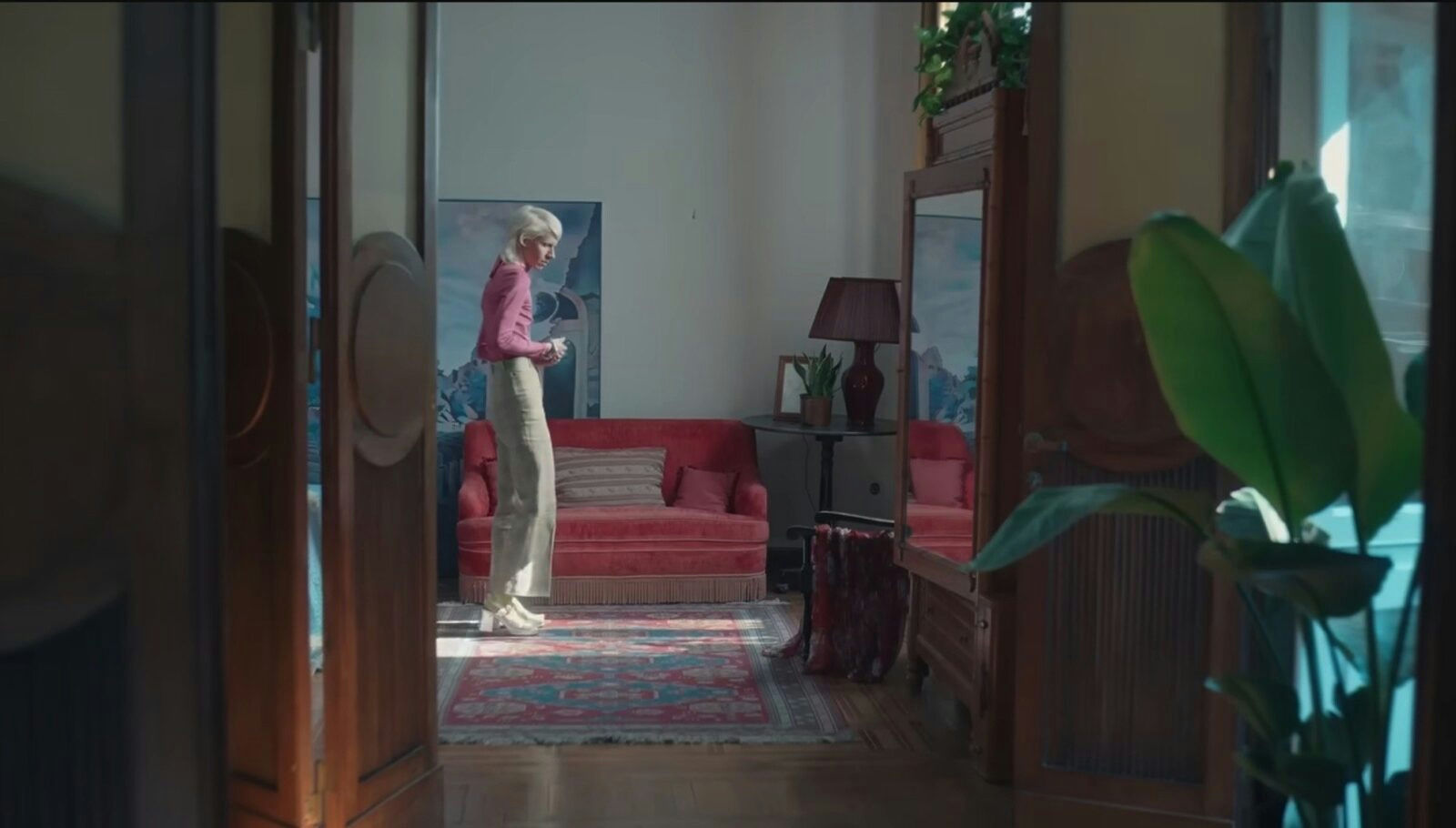
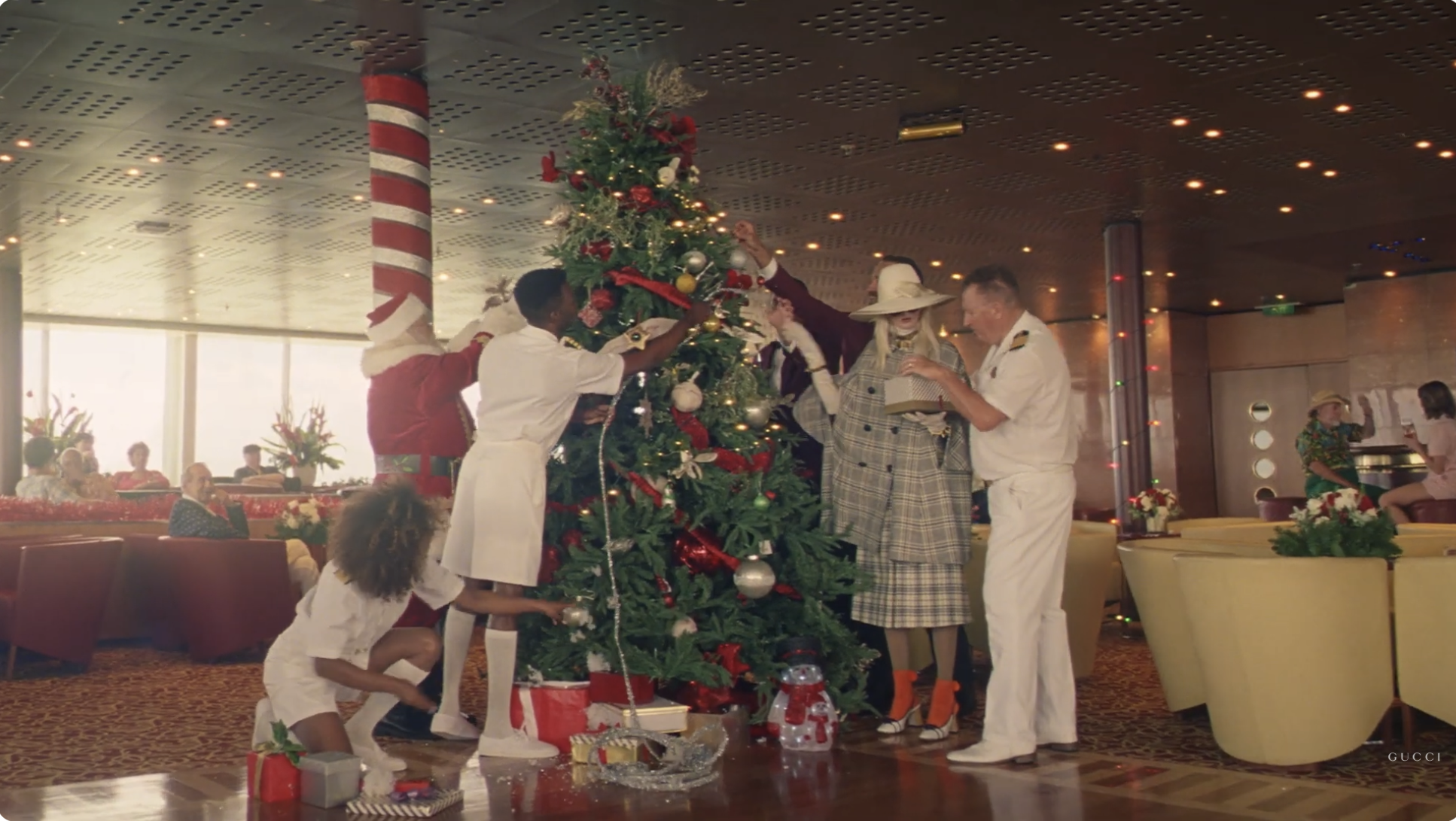
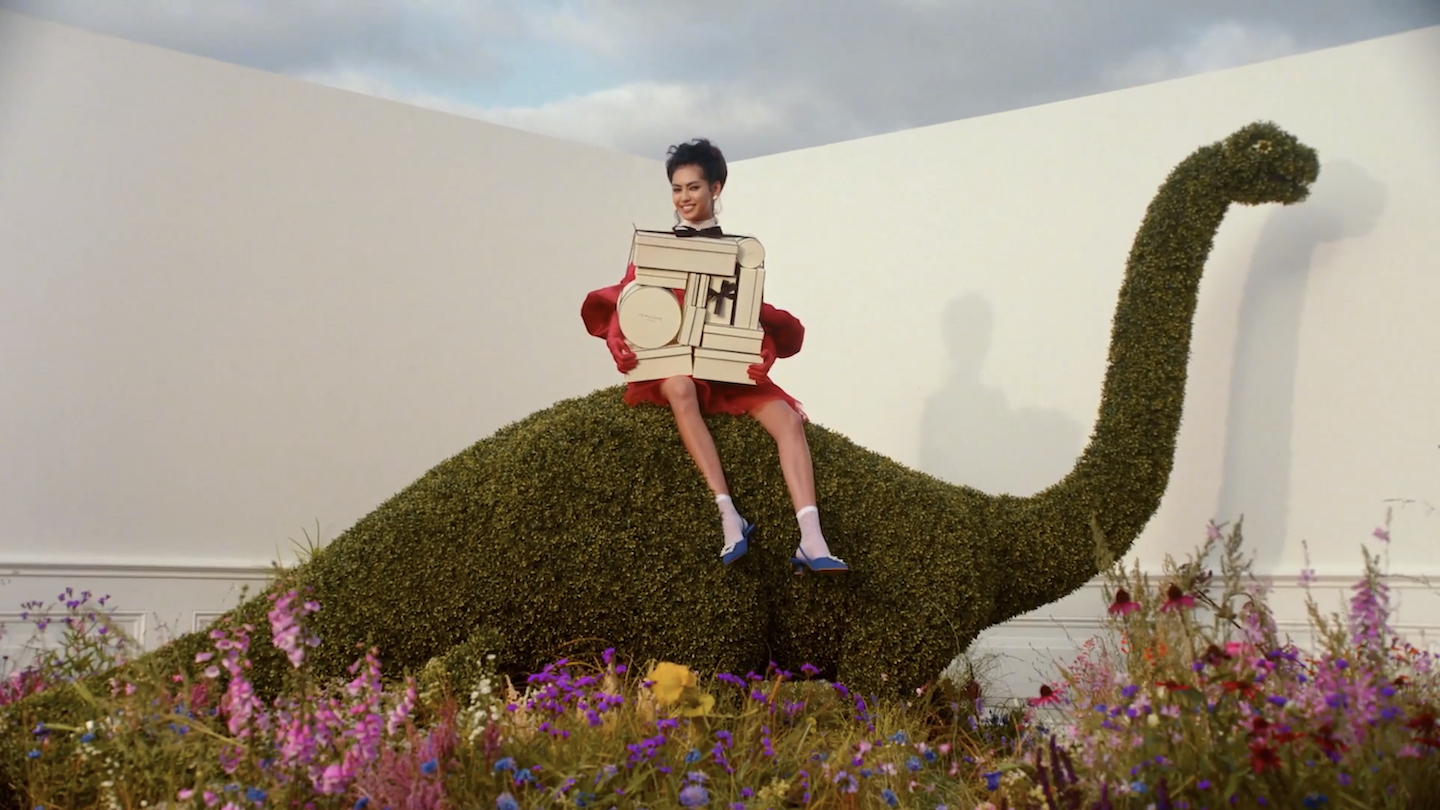
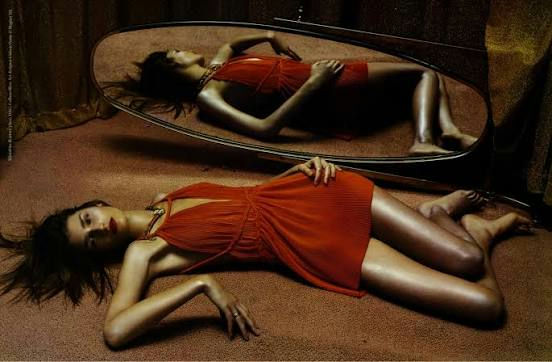
I really like the idea of just making an image. I think working in fashion photography was really good training to hone the details and obsess over one frame. Fashion photography doesn't really need to make sense. It's about creating a character, a mood and a beautiful picture. There's something a bit more arty about that.
Fashion is becoming a little bit more narrative now that there's more of a fashion film element, but the still image is still about trying to make a picture that really appeals to people. It can be mysterious, it has to be composed beautifully and it's also telling you about a character. It raises more questions than it does answers, but people are drawn to it.
Sometimes the photographer wants to almost employ a character as well. They might be taking a photograph as a certain type of photographer, if you know what I mean. So there's a character in there as well. You might be deliberately naive, or the lighting might be kind of off. There's a conversation between those two things as well. How are you going to light it? Is the set a bit crap?
Or it can just be an interesting detail in a room that adds depth and intrigue to the environment you're making. You can start with something as little as that. Just something a bit off in a room that you see in an interior picture and trying to build that in.
What I like about fashion is that if it's not working in camera, there's more freedom to change and mix it up. Fashion brands are actually pretty good about that. They give you quite a lot of creative freedom.
The teams are also small, so you get to be really close to the camera and work with the camera. You can adapt and change things. With film as a format, there's more time for research, which is lovely and such a great part of the process, but things are more locked in when you get to the shoot.
For references, I look at a lot of art books. I obviously look online a lot, too. Sometimes I find Pinterest really helpful, but I do love to look at a physical book by a photographer or an artist. That's normally where I start. Then I'll have an idea and follow a thread, and then go online. That's normally how I do it.
The production budget is also something that you have to keep in mind, and that's a big part of communicating with the client. I know that's a slightly boring element, but it can really explode really quickly. Then you have to find creative solutions to help claw it back for the client, who has an envelope that they have to work within.
So there are creative cuts or adaptations, and that's a big part of problem solving as well. You have to really trust your team and have long relationships with all the scenic painters, carpenters and prop makers. You have to allow them to do what they're good at while keeping them on track. It's about trusting the team and making those relationships feel really solid.
We all ask each other for advice, too. We talk to each other quite a lot. There's definitely some jobs where the chemistry doesn't feel quite right and you're not completely seeing the same thing creatively. But, in the end, it's their project, and you just try your best to understand what they want and get through it.
You kind of learn that that's probably going to be a situation where maybe you won't go back there, and they probably feel the same. But in the end, you just try to give them what they're asking for, even if you don't fully believe in it yourself.
I still can't believe that I get paid to travel the world and work with all these incredible teams all over the place. And with these big fashion houses trusting me to work on their latest project, it still feels unbelievable. It's stressful, but it's a really fun, creative thing to do.