Eugenio Caballero is an acclaimed Mexican production designer best known for his Academy Award–winning work on Pan’s Labyrinth. Raised in Mexico City and educated in art and film history, Caballero began his career in music videos and short films before moving into feature filmmaking. With nearly 30 films to his credit, he has collaborated with internationally renowned directors including Guillermo del Toro, Alfonso Cuarón, J. A. Bayona, Jim Jarmusch, Baz Luhrmann and Alejandro González Iñárritu. His work on films such as The Impossible, A Monster Calls and Roma has earned him multiple Ariel Awards, Goya Awards and nominations from the Academy, BAFTA, and the Art Directors Guild.
PDC member Caballero chats with host Alexander Whittenberg chat about creativity as a form of play, intuition, and emotional architecture as they trace his journey from a young Mexican filmmaker inventing his own rules to designing some of contemporary cinema’s most visually and emotionally resonant worlds.
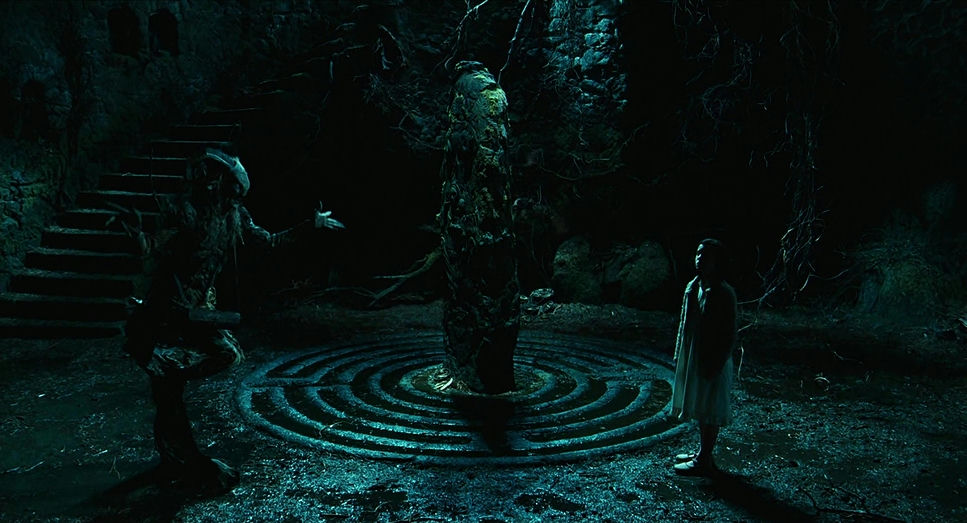
They dive deeply into Pan’s Labyrinth, unpacking the deliberate contrast between the cold, rigid brutality of the “real” world and the warm, organic curves of the fantasy realm—discussing everything from the symbolic shape of the fig tree to the painstaking process of manufacturing moss and reshaping an entire forest to serve the film’s emotional logic.
The conversation expands to the devastating realism of The Impossible, where nature becomes both spectacle and terror, and to A Monster Calls, exploring how fantasy once again becomes a vessel for processing grief through a child’s imagination.
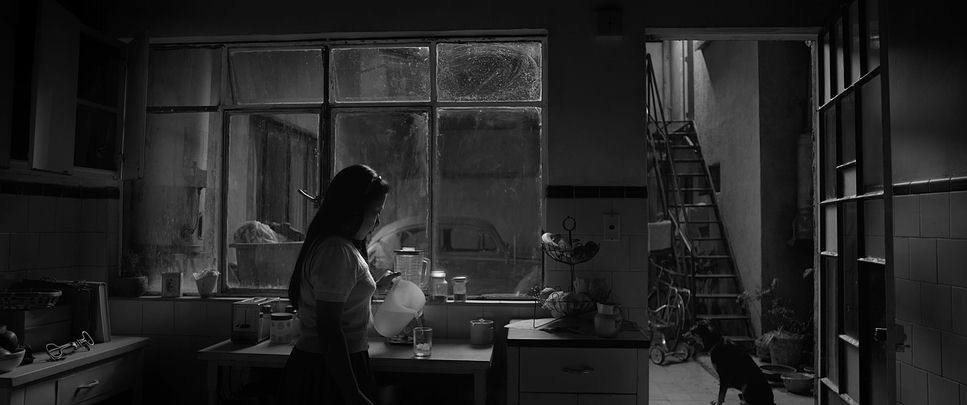
They also reflect on the intimate restraint of Roma, where design disappears into memory and lived-in detail, proving that world-building can be as quiet as it is grand.
Throughout, Caballero speaks candidly about doubt, his cultural identity and the balance between joy and vulnerability in the creative process, while he and Whittenberg circle their belief that production design is ultimately about building worlds that hold emotions and meaning long after the frame fades to black.
Ofelia (Ivana Baquero) meets Fauno (Doug Jones) in Pan's Labyrinth.
“One of the beautiful things about the craft is that you can tell a lot of things without saying words.”
The family gathers around the television in Roma.
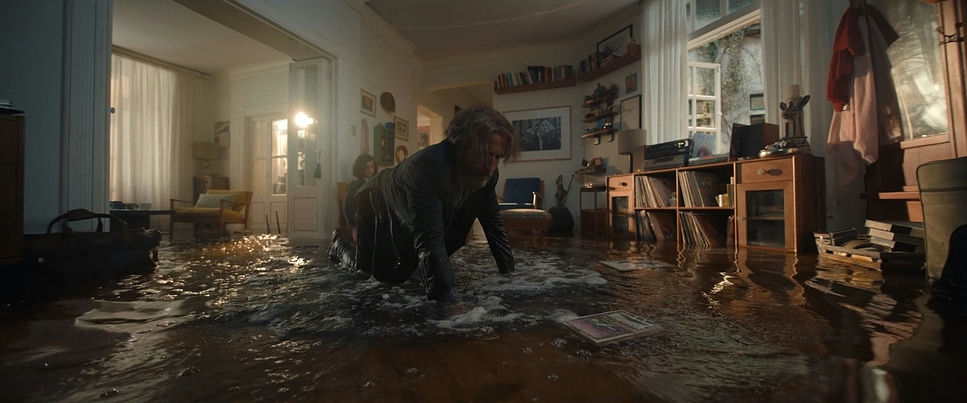
The lines between reality and surreality are blurred in Bardo, False Chronicle of a Handful of Truths.
“In cinema, it’s not just about how things look. It’s about storytelling all the time.”
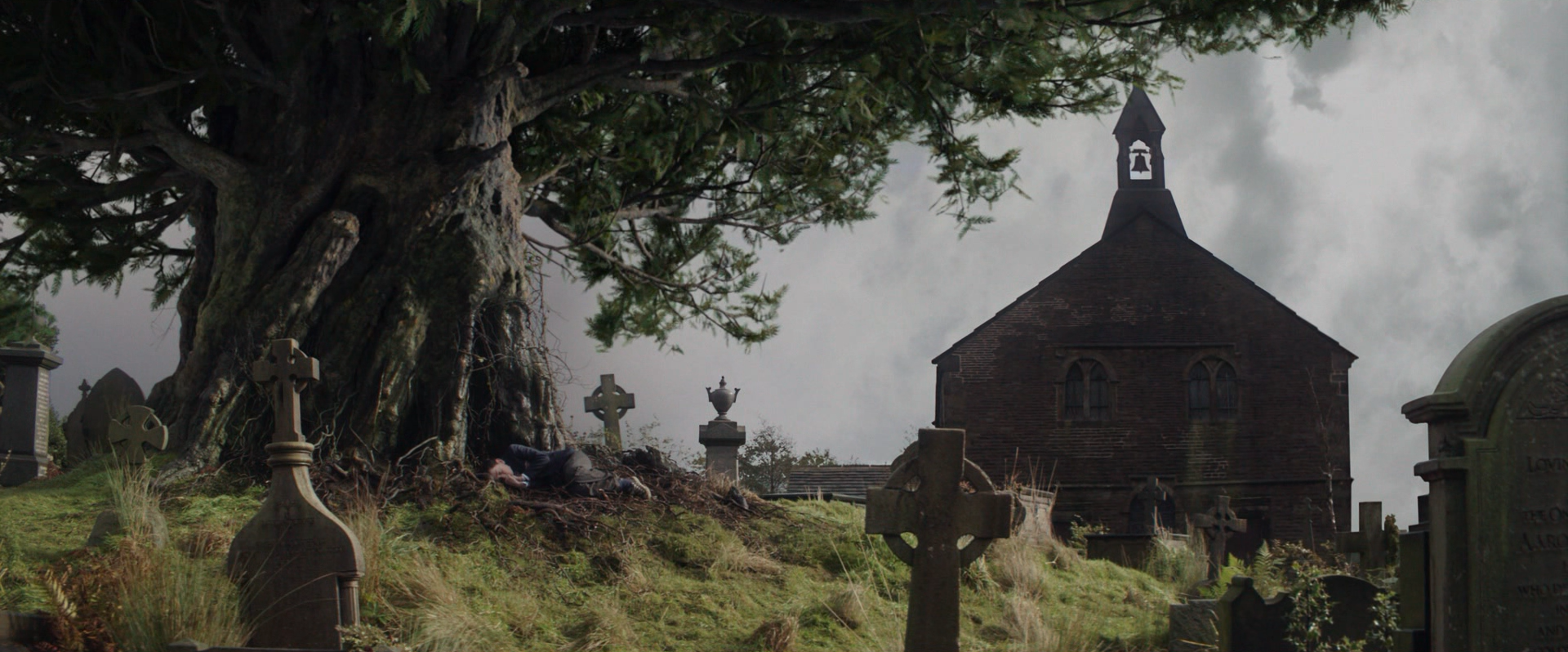
In A Monster Calls, Conor (Lewis MacDougall) rests at the base of the ancient Yew tree.