With over 25 years of experience in film, television, and commercial production, Emmy-winning production designer Mark Scruton is known for his thoughtful and visually distinctive work across a wide range of genres.
Mark is perhaps best known for his collaborations with Tim Burton on the films Beetlejuice Beetlejuice, and the Netflix series Wednesday, which earned him an Emmy Award, the British Film Designers Guild Award for Best Production Design, the SDSA Award for Décor & Design, and a nomination from the Art Directors Guild. Mark recently completed work on Season 2 of Wednesday, continuing his role in shaping the series’ iconic visual identity.
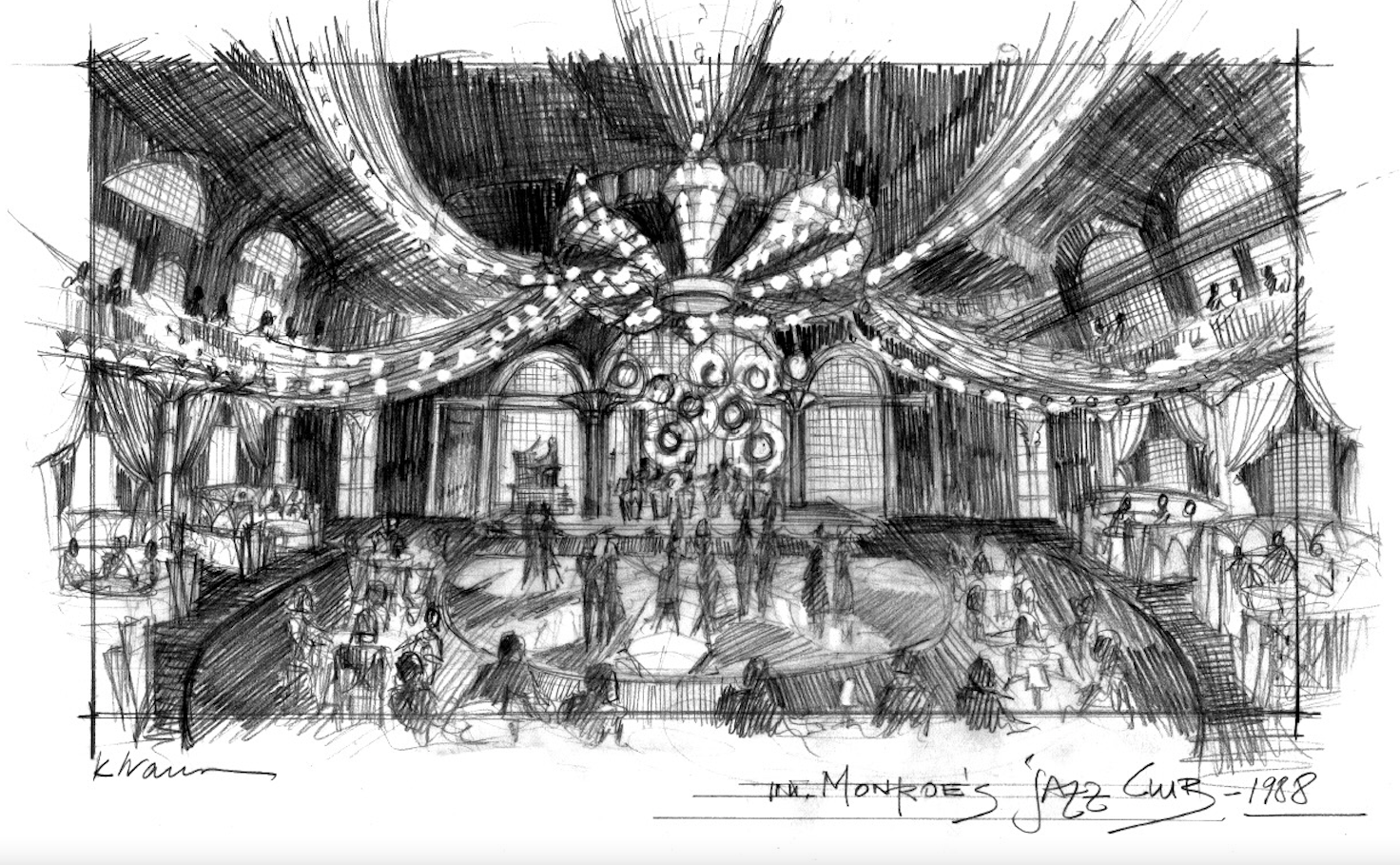
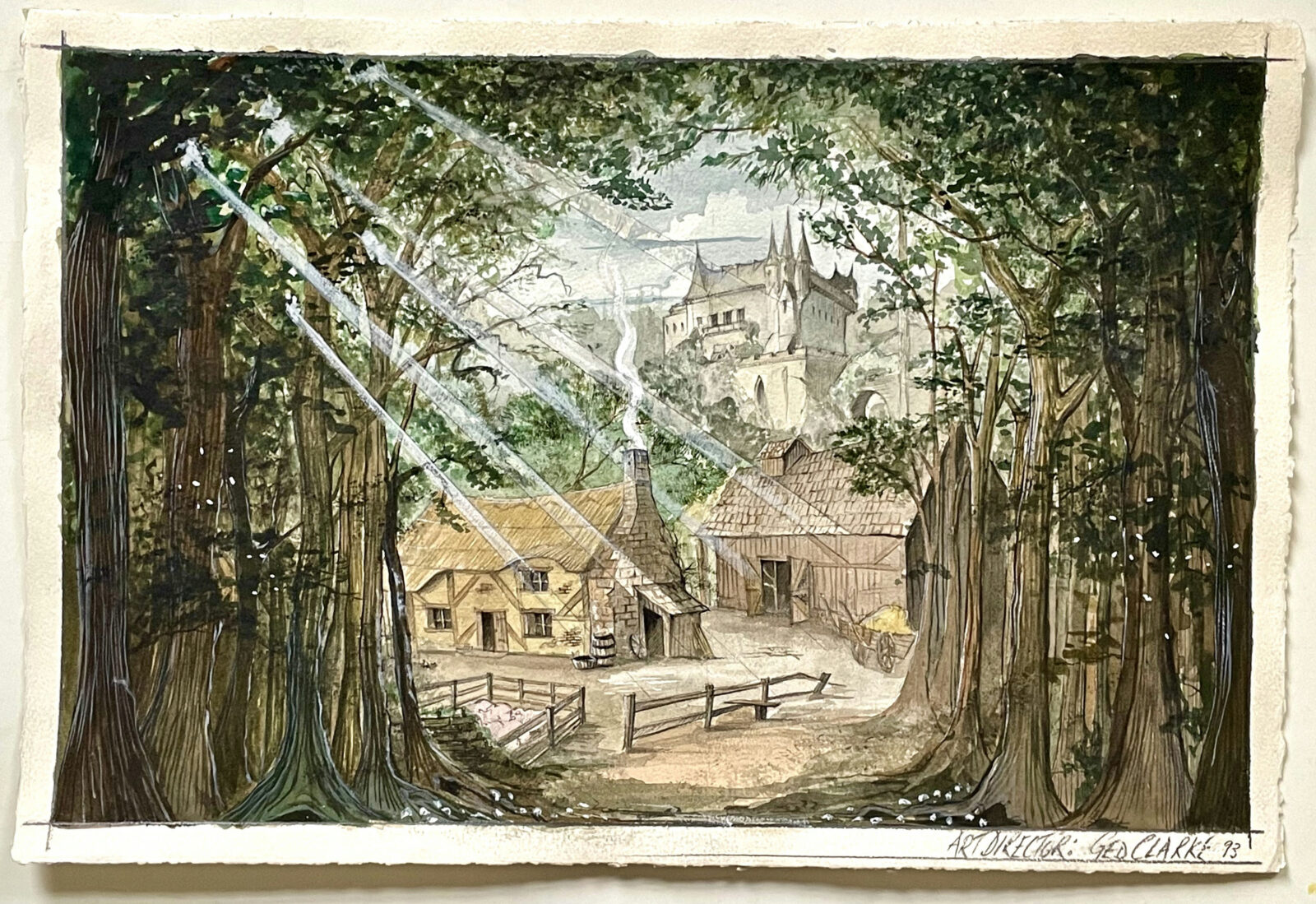
Early career drawings
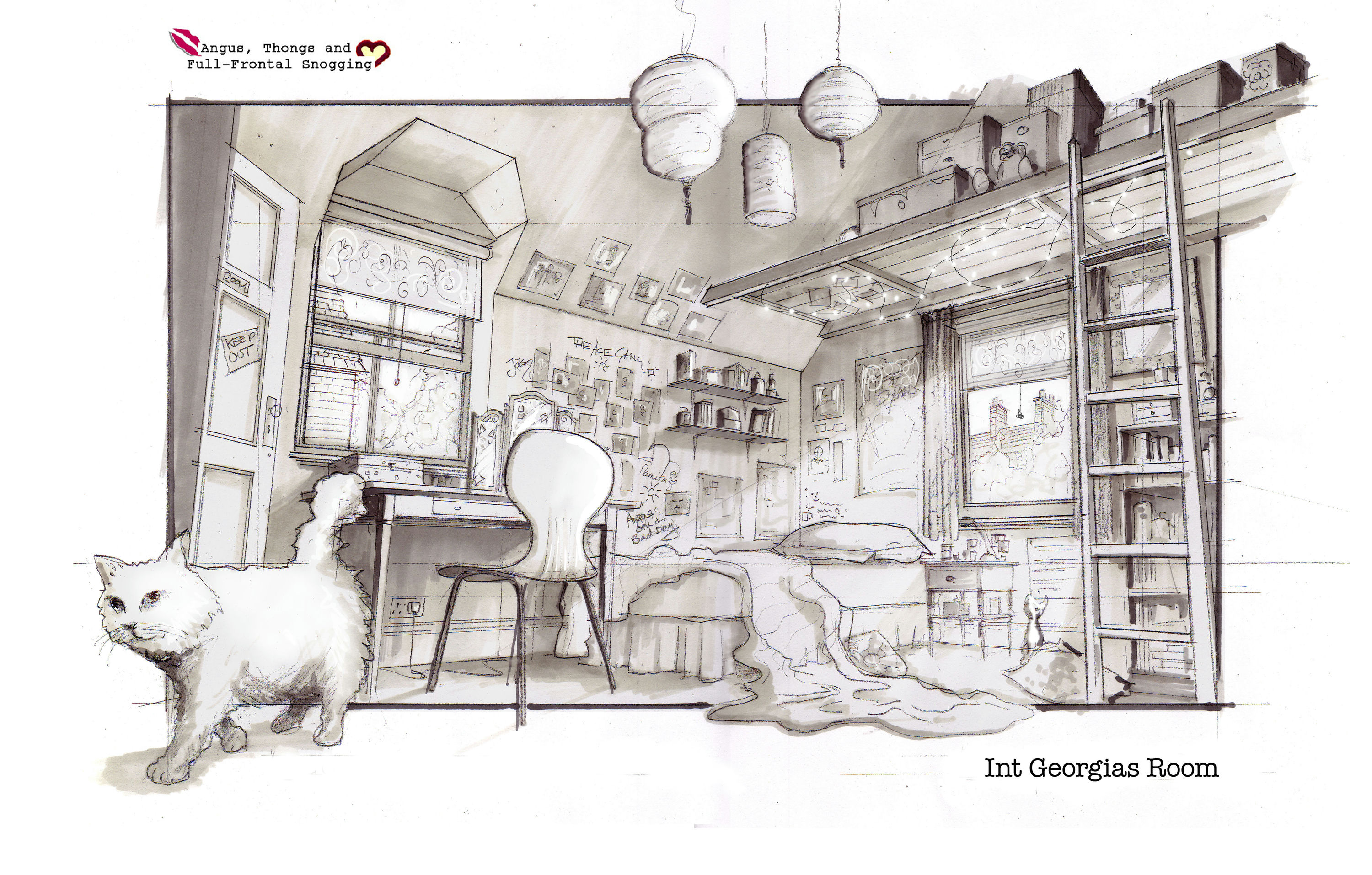
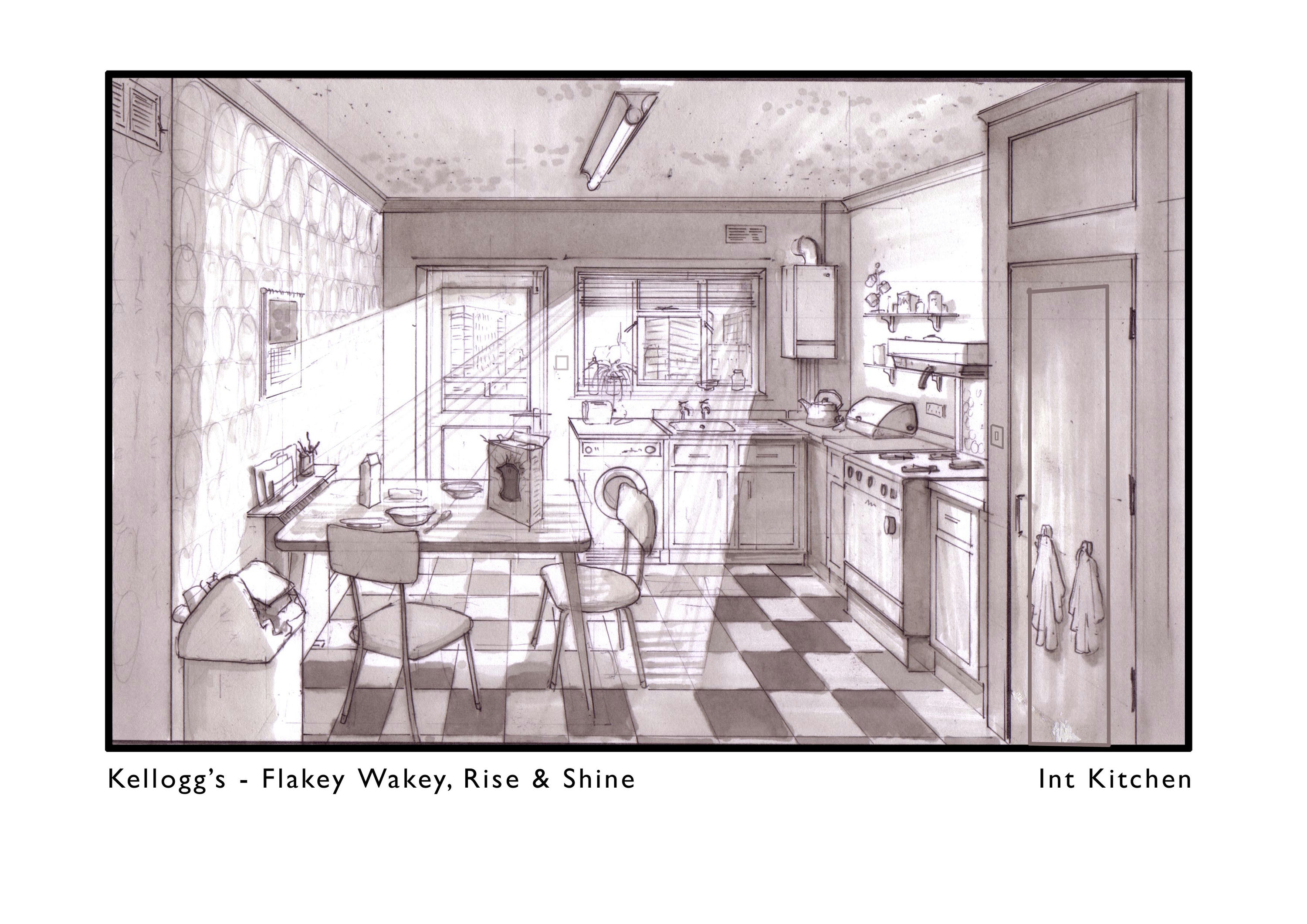
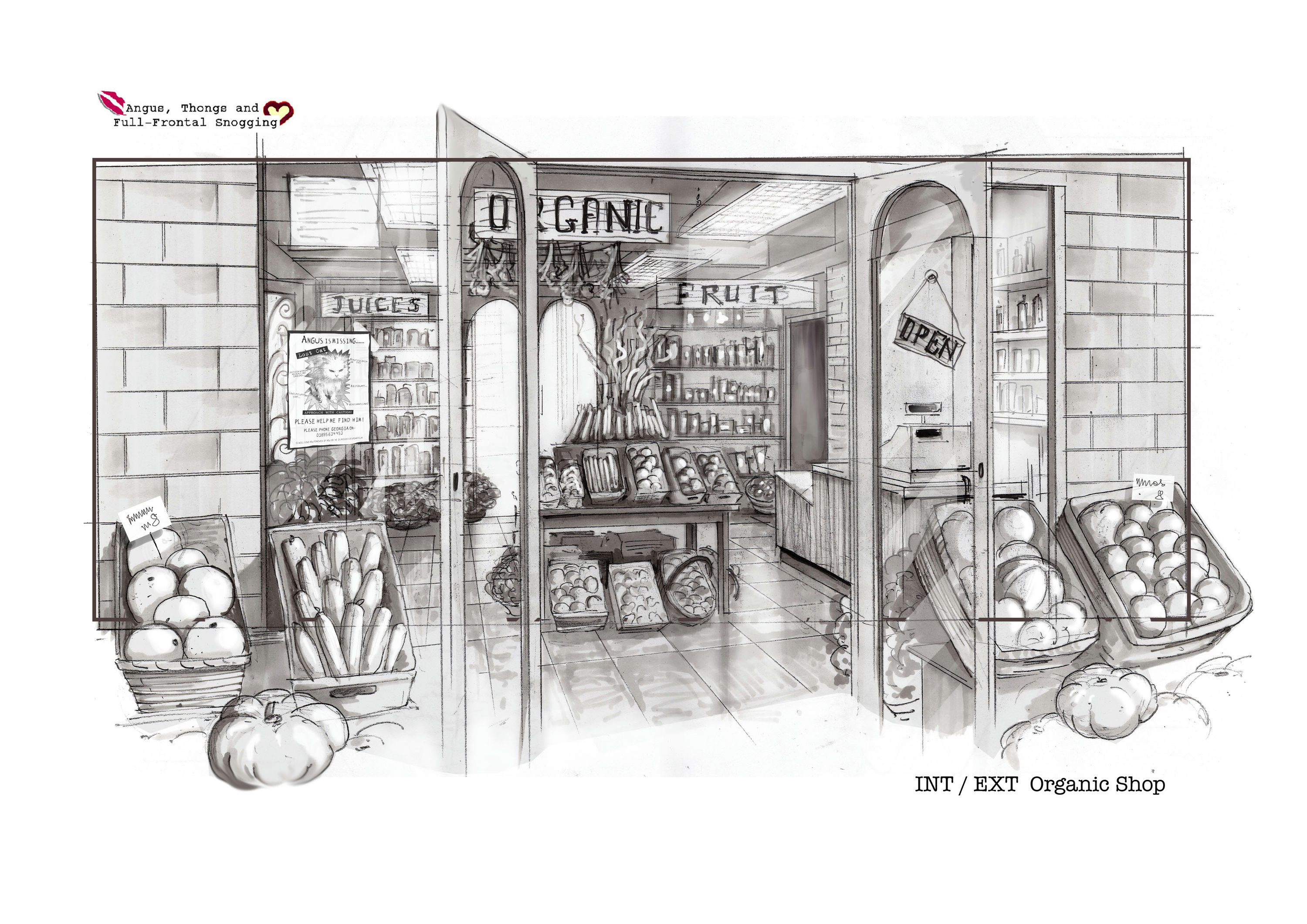
I studied the things that seemed relevant at the time, and then came out into the industry in London to find out that most of the skills I'd learned were kind of irrelevant. What set me apart was my ability to draw quickly to communicate ideas visually. While many around me came from set decorating backgrounds and weren’t confident sketchers, I carved out a niche by producing fast and furious drawings.
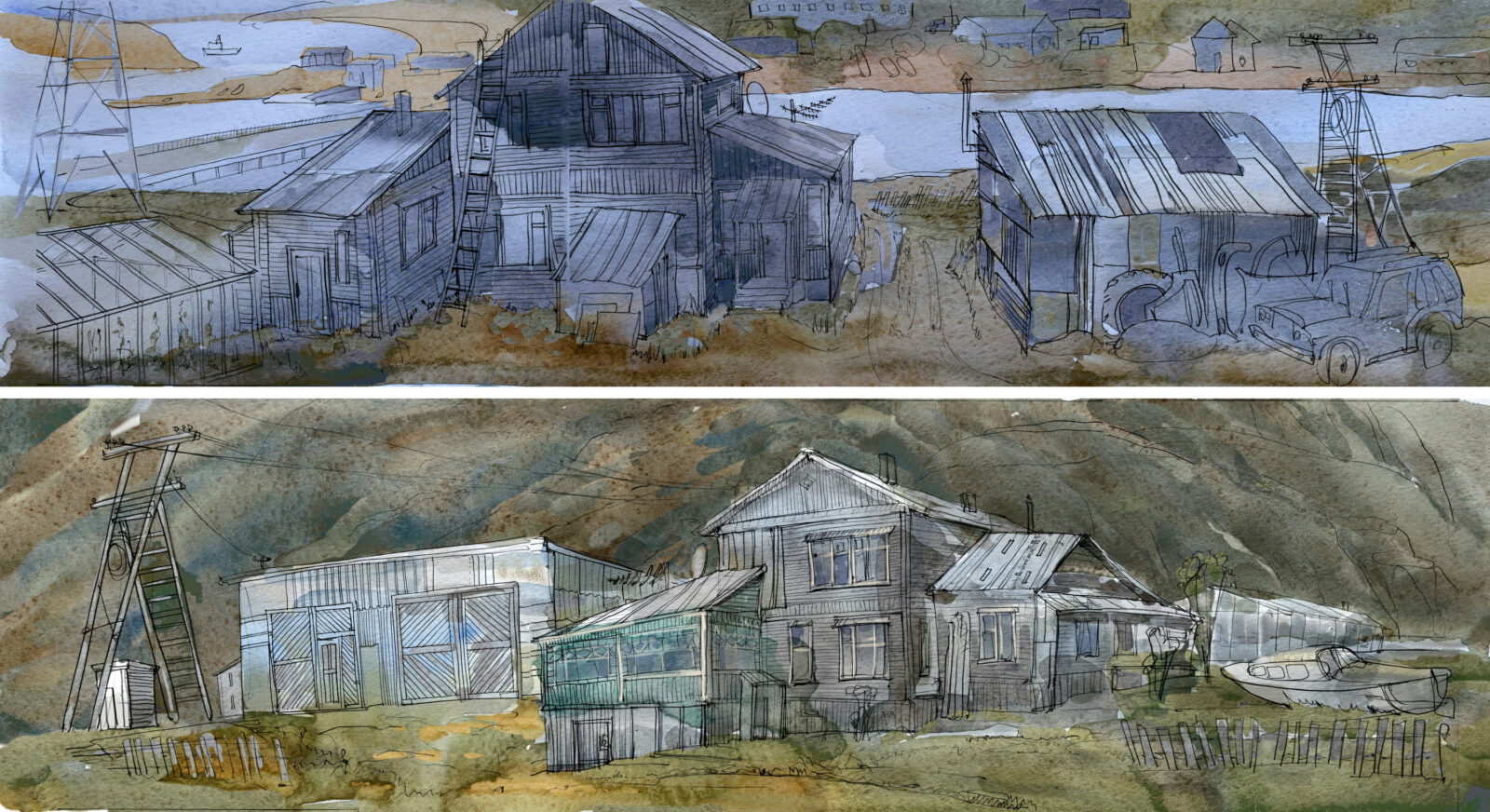
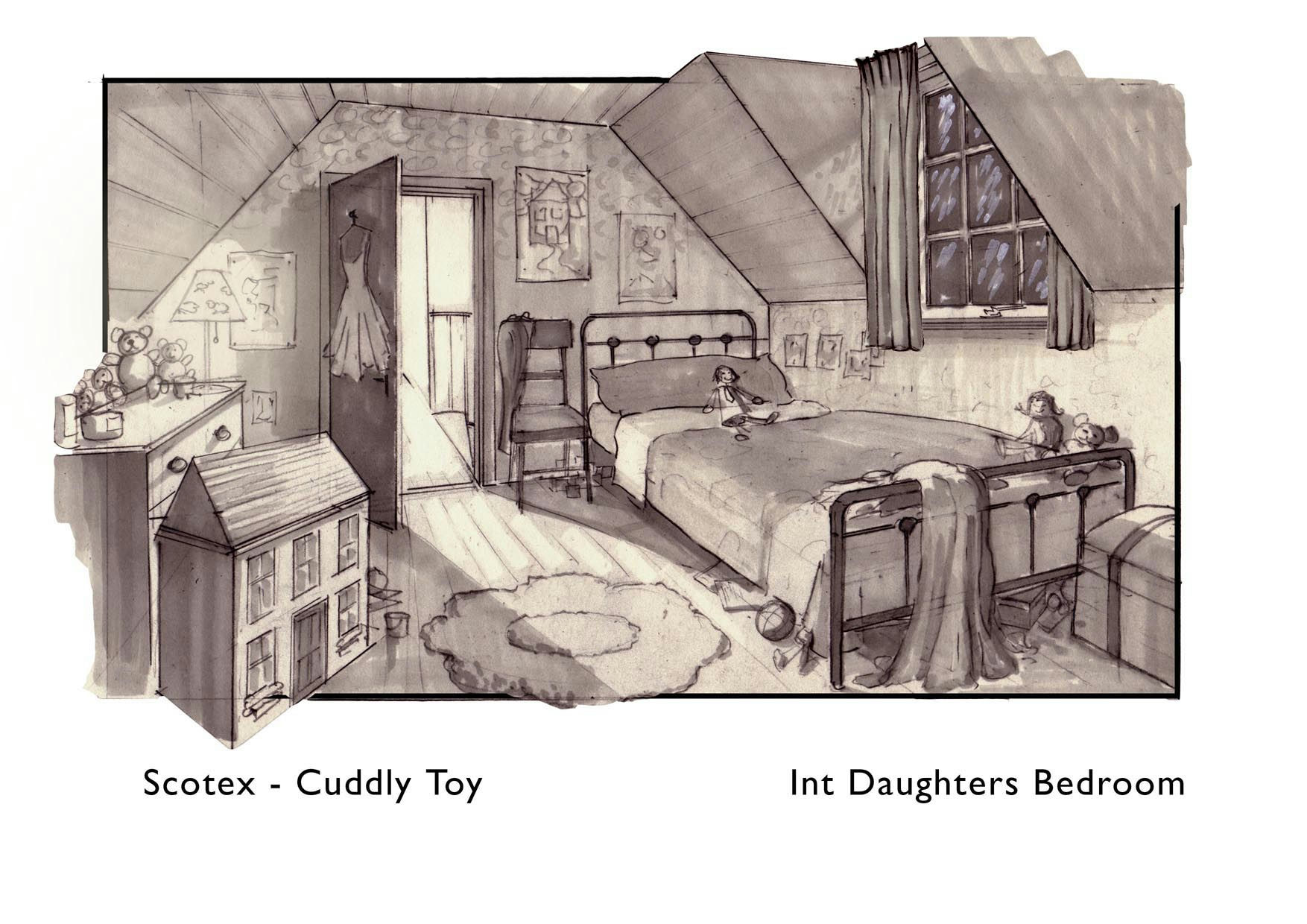
Early career drawings
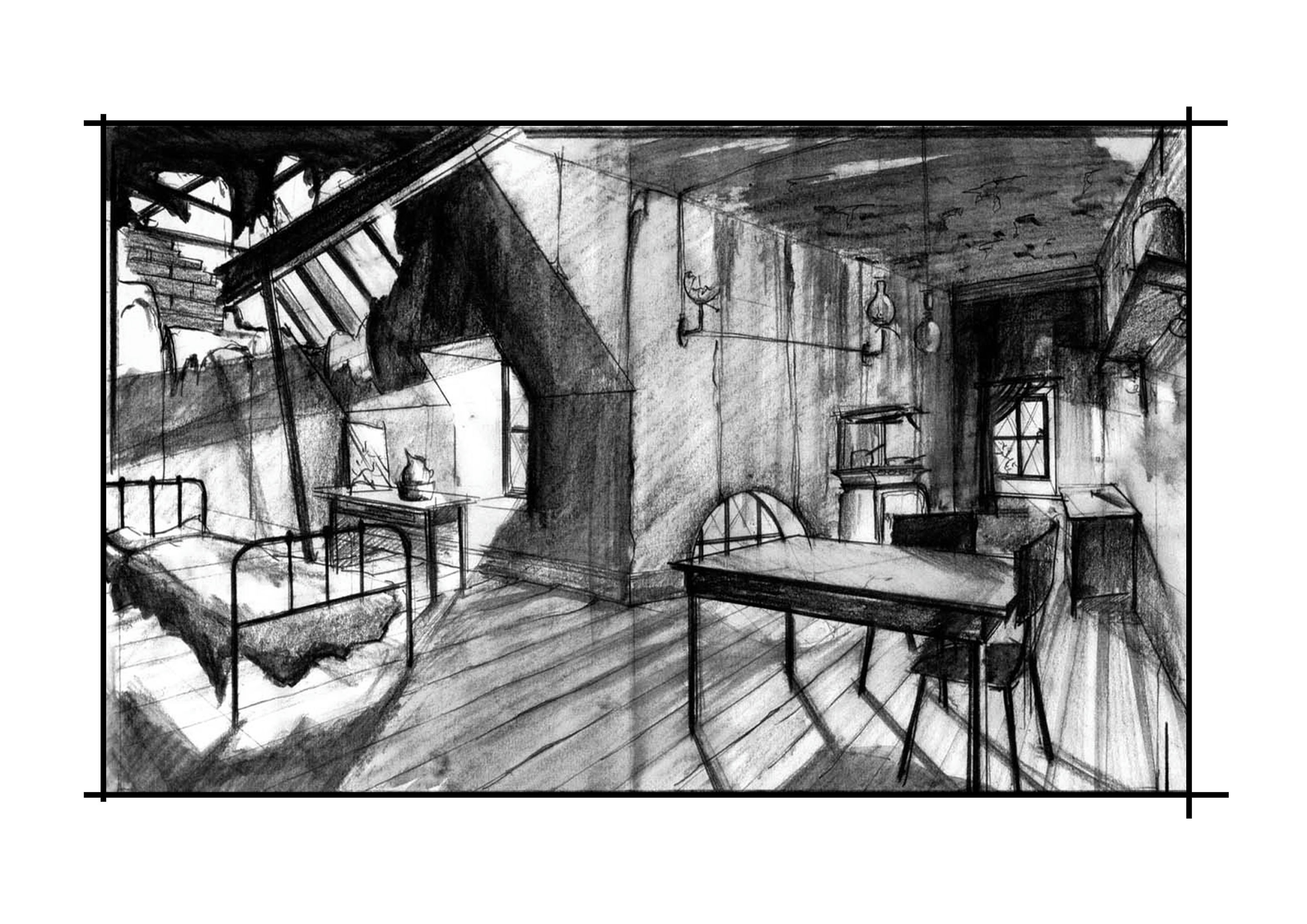
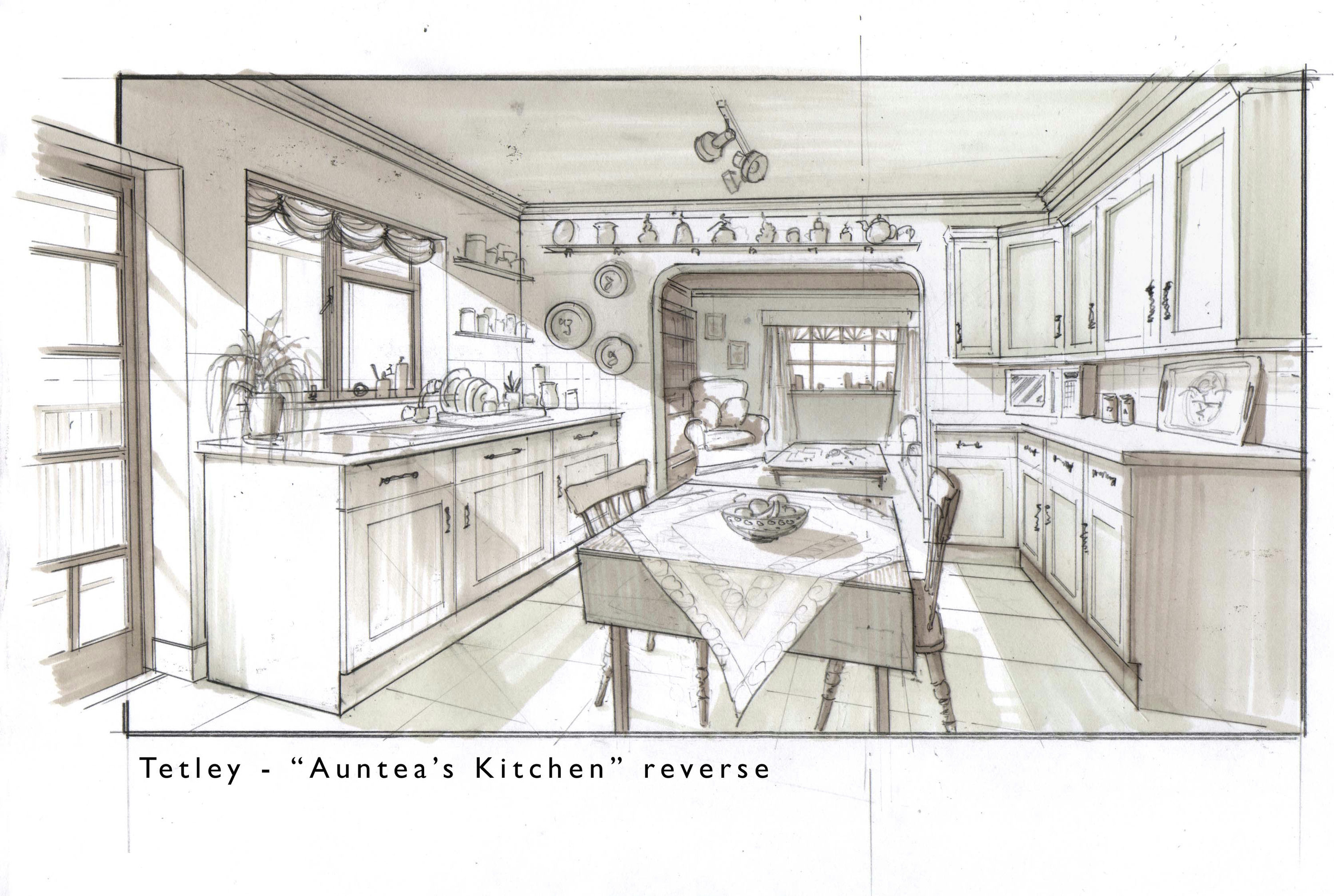
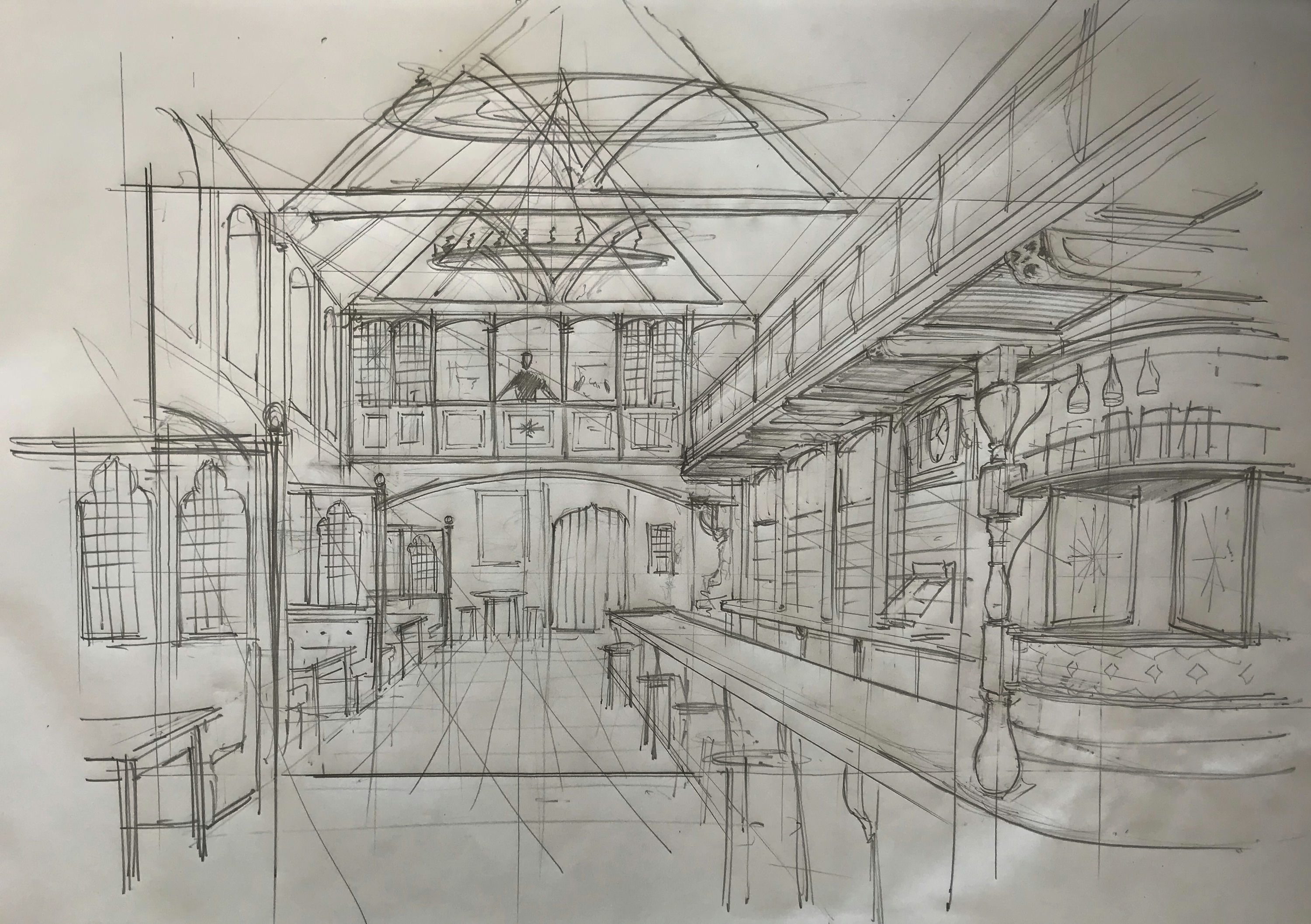
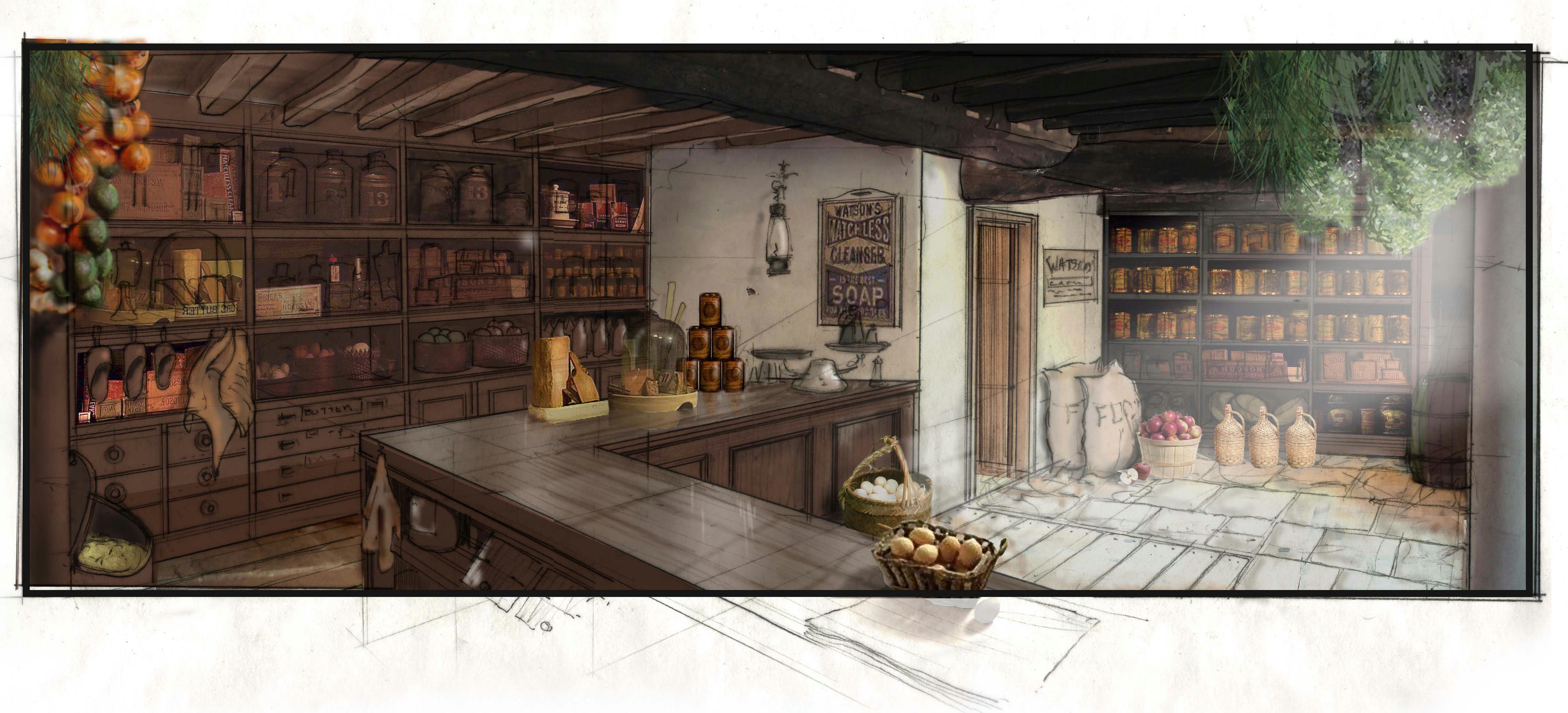
So I managed to carve out a little niche for myself. I could sit in production offices while people were in meetings and do little doodles and sketches of set designs, literally on the table in the waiting room while people were having conference calls with the clients. That speed and pace made me quite a good person to have around at that time.
For most of my early career, I was always drawing by hand, in a sketch pad. I started working in films a little bit later on, but I was still always doing this type of drawing, sitting down at a drawing board. You’d sort of doodle out ideas, turn them into drawings, and if you got the chance to color them in and give them some shape and some texture, you could do that. But, they were always very organic and very quick things that you could use to get ideas across as you went. It took quite a while before people started using 3D software and doing 3D models, but I always came back to doing hand-drawn visuals. At the base of it was always a pencil sketch.
At that time, they gave you a little bit of space to explore the design. You could do sketches that expressed a mood, as opposed to telling you exactly what the vase was going to be on the shelf, or what the light switch was going to look like, which is very much, I think, where we are now…
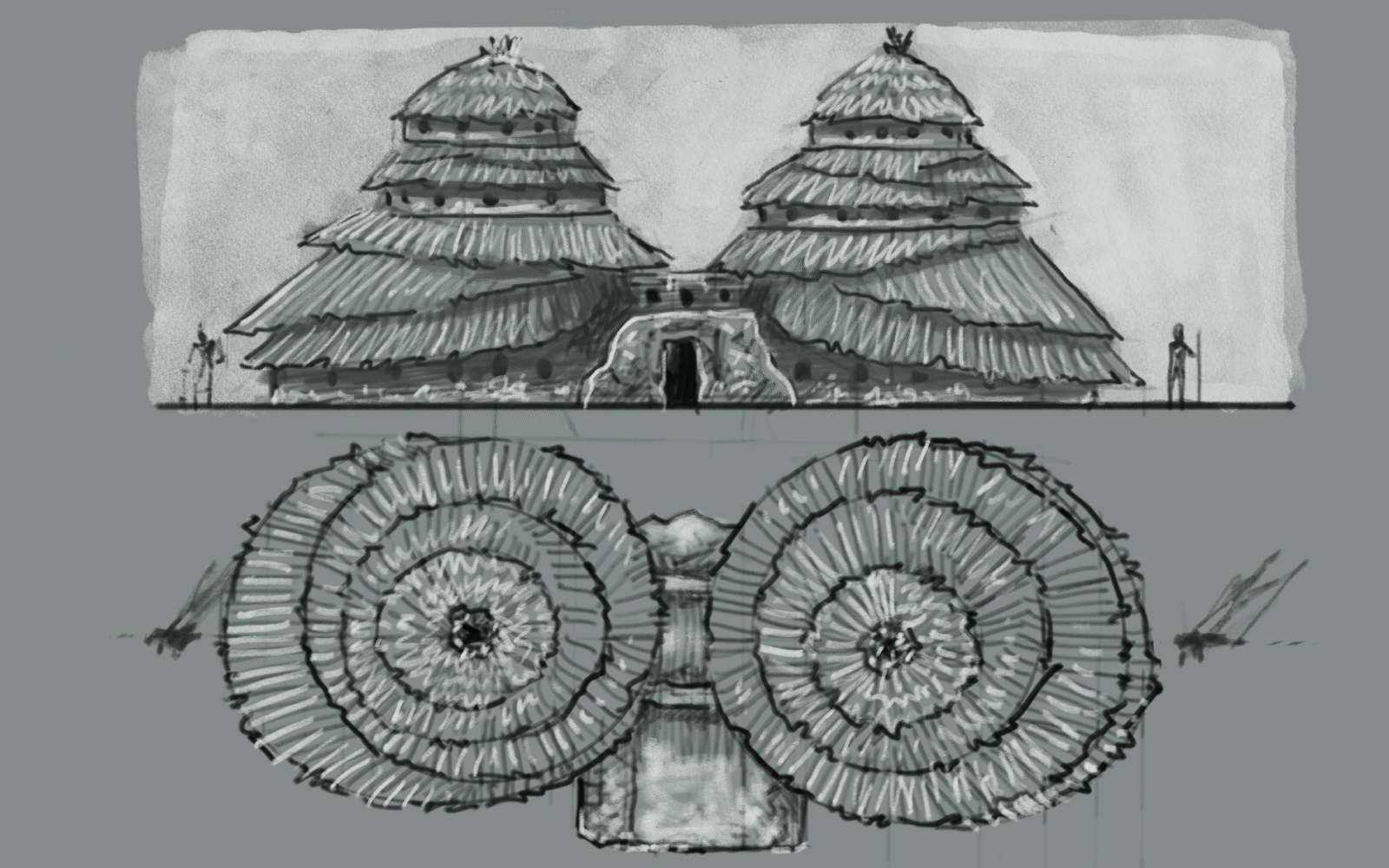
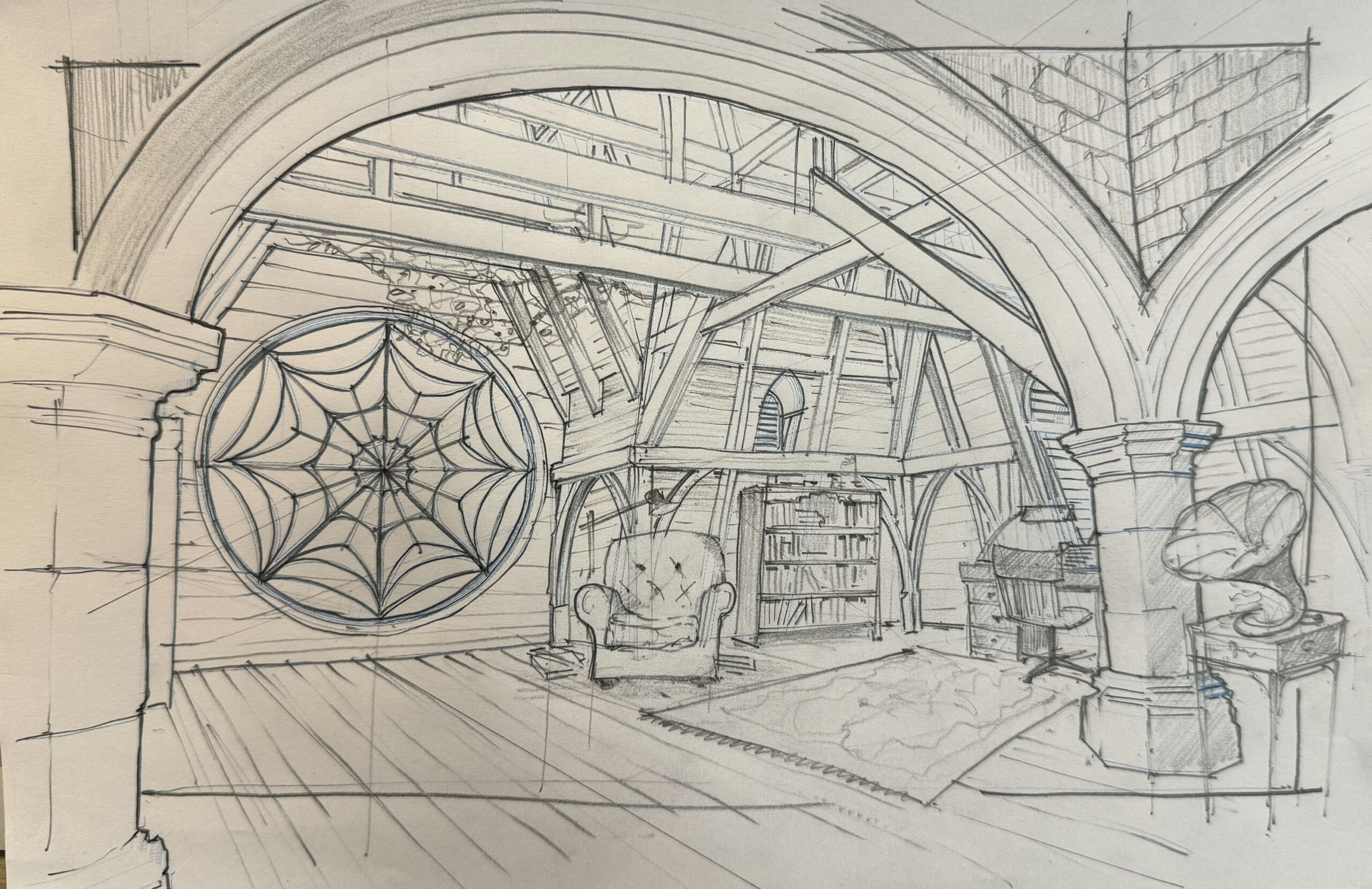
Sketches and sets from Wednesday
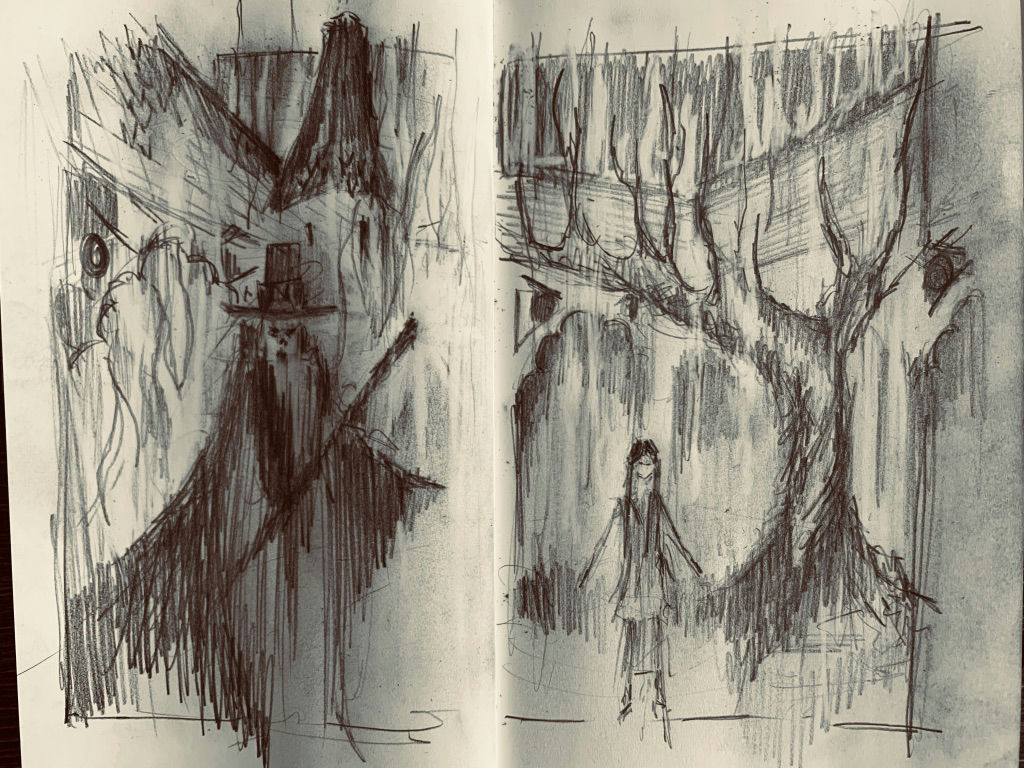
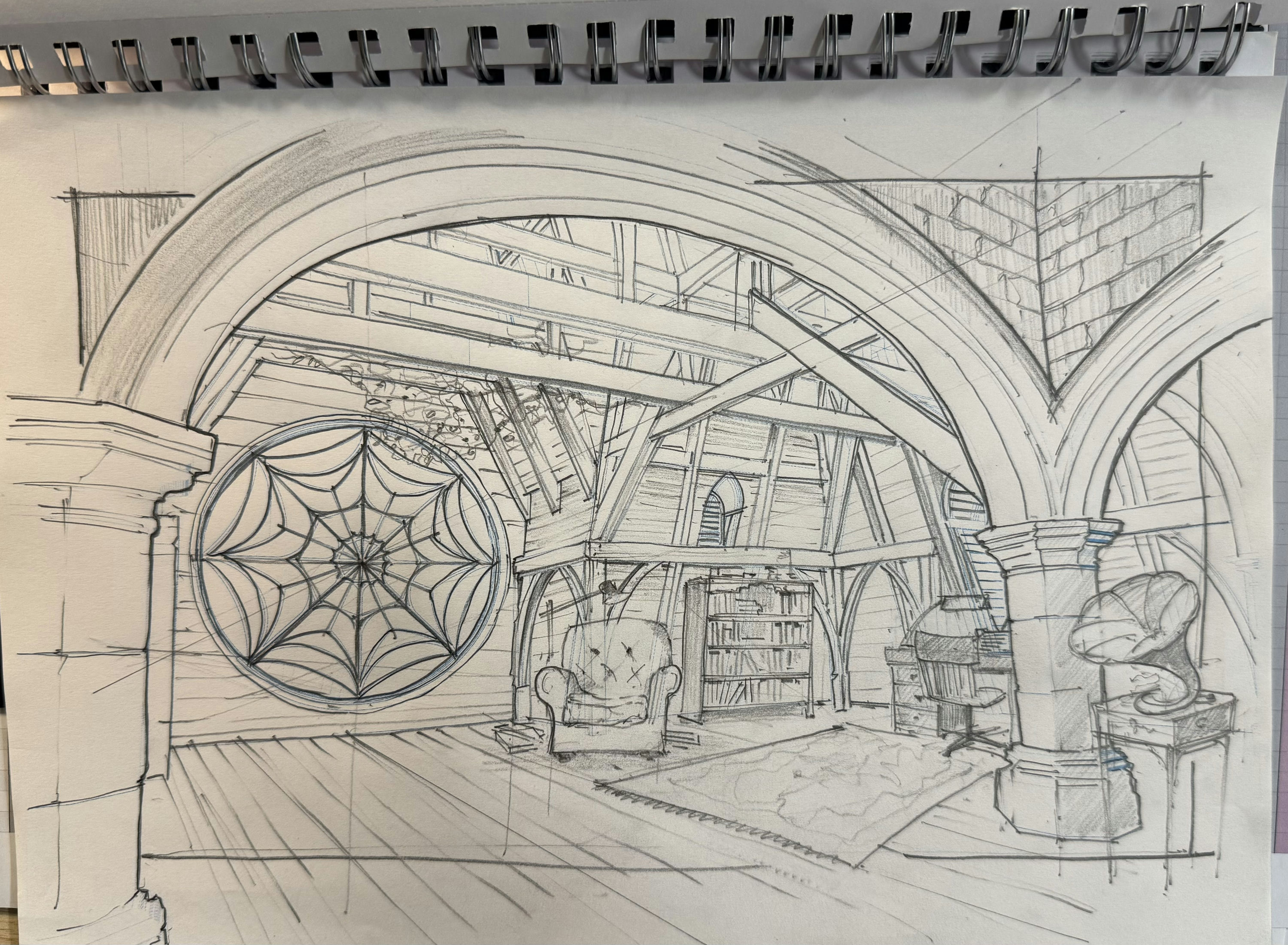
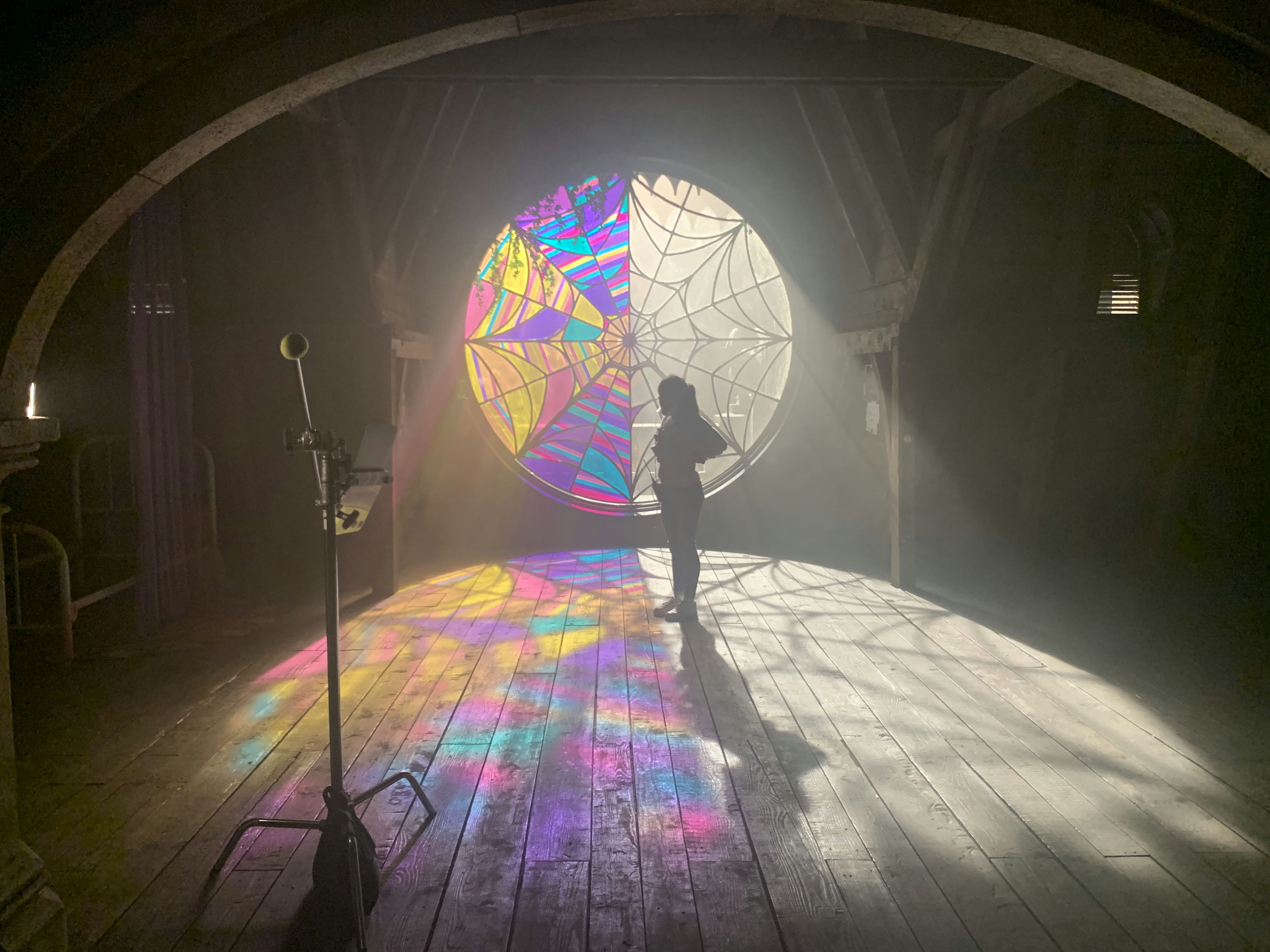
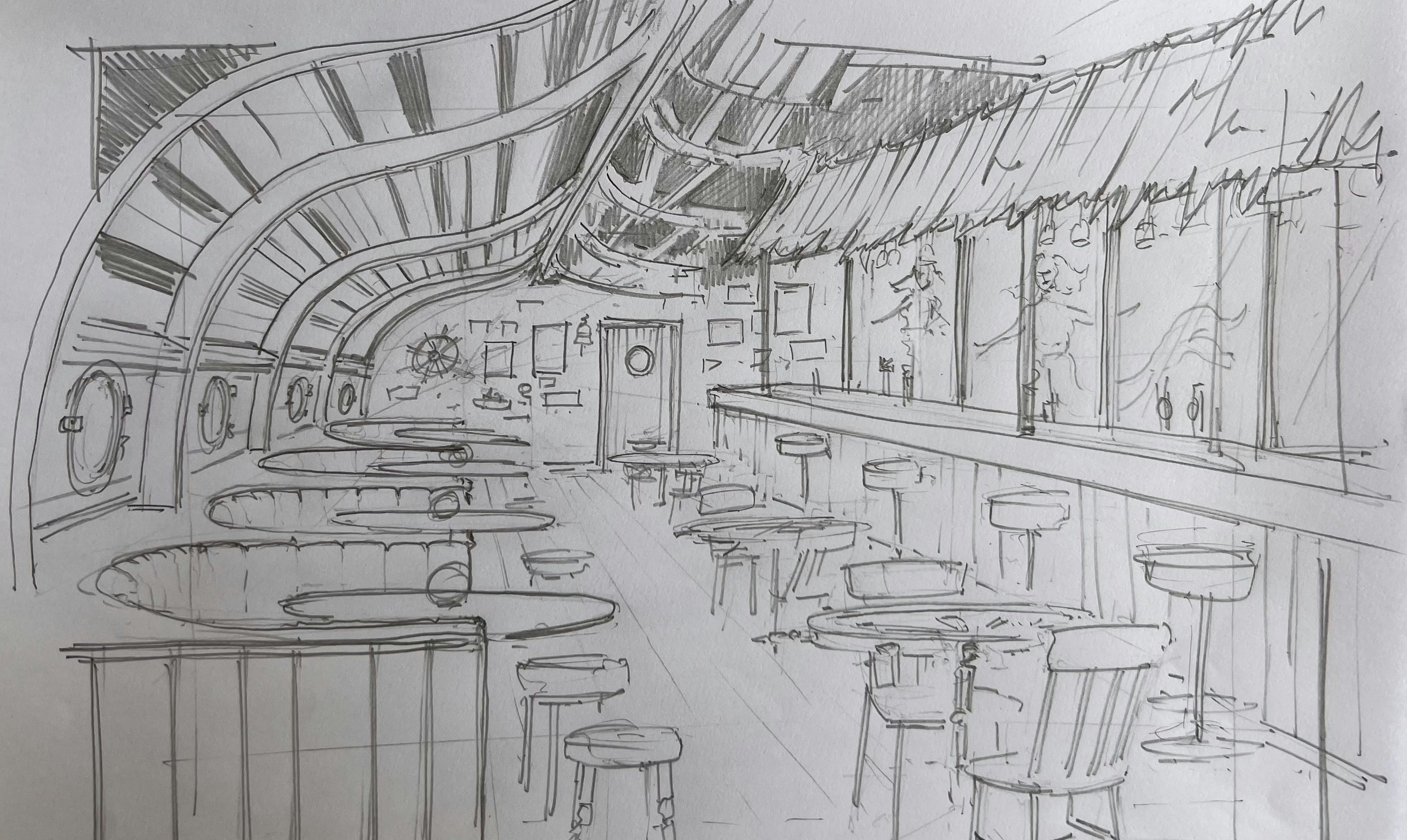
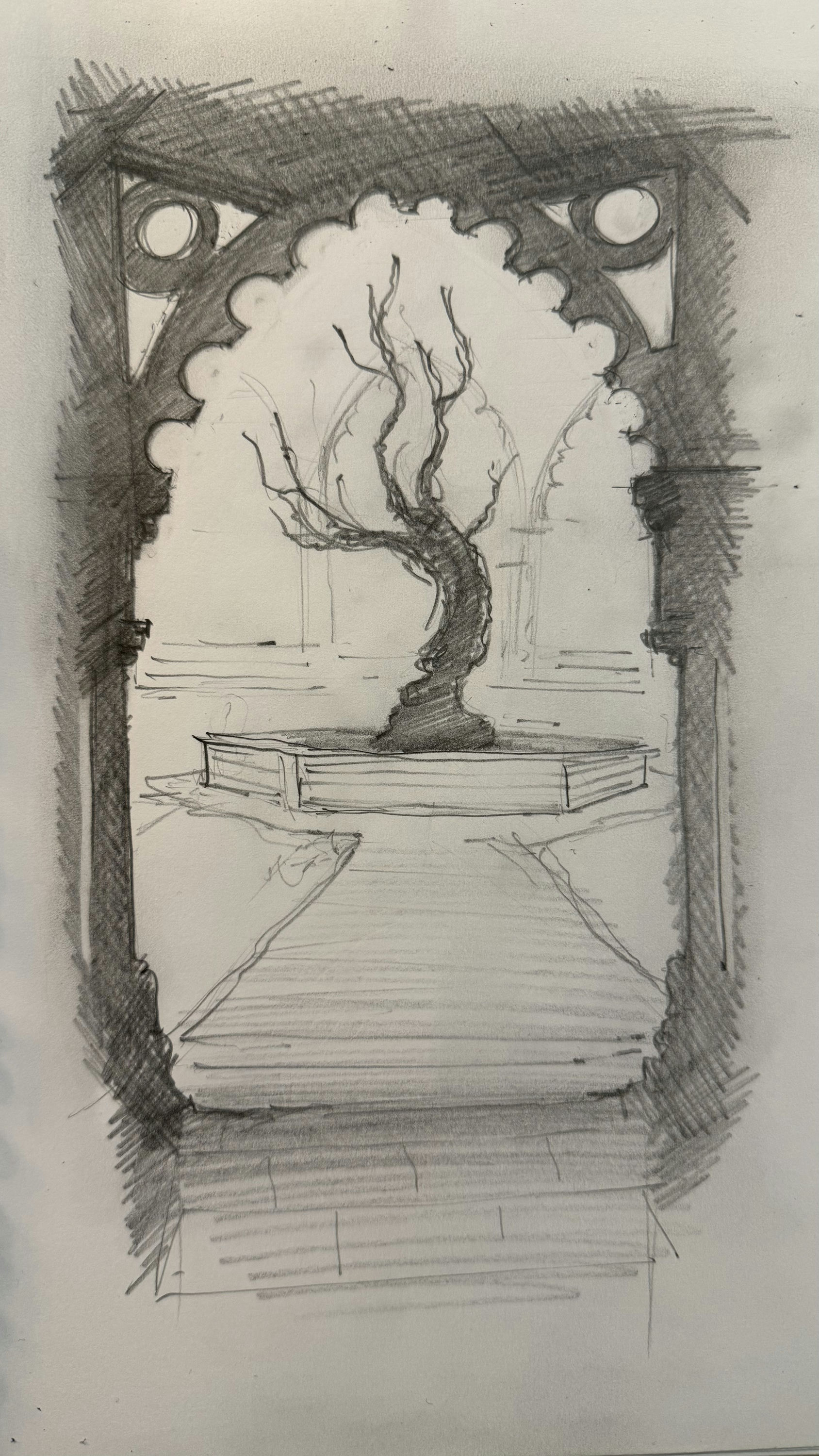
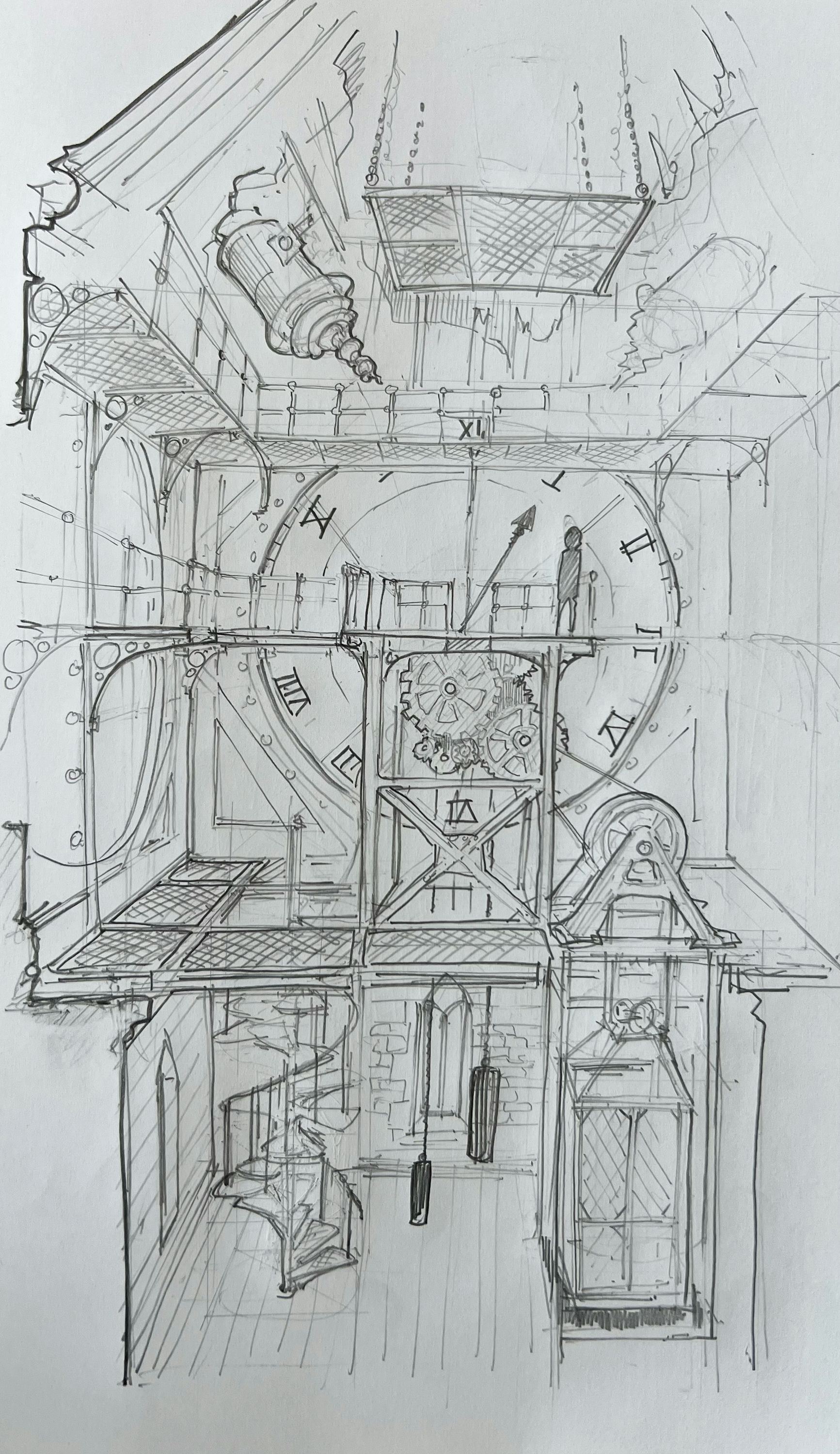

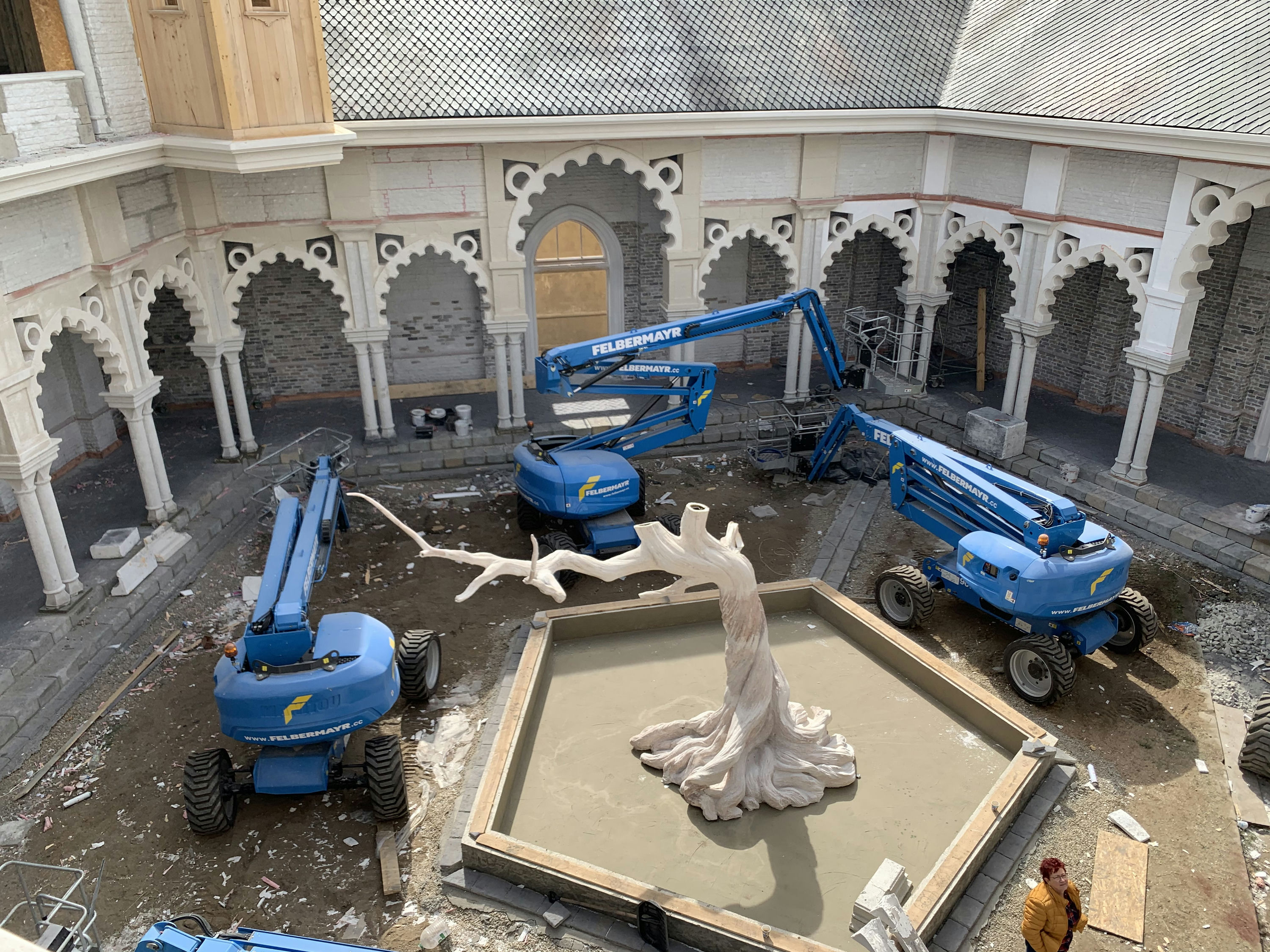
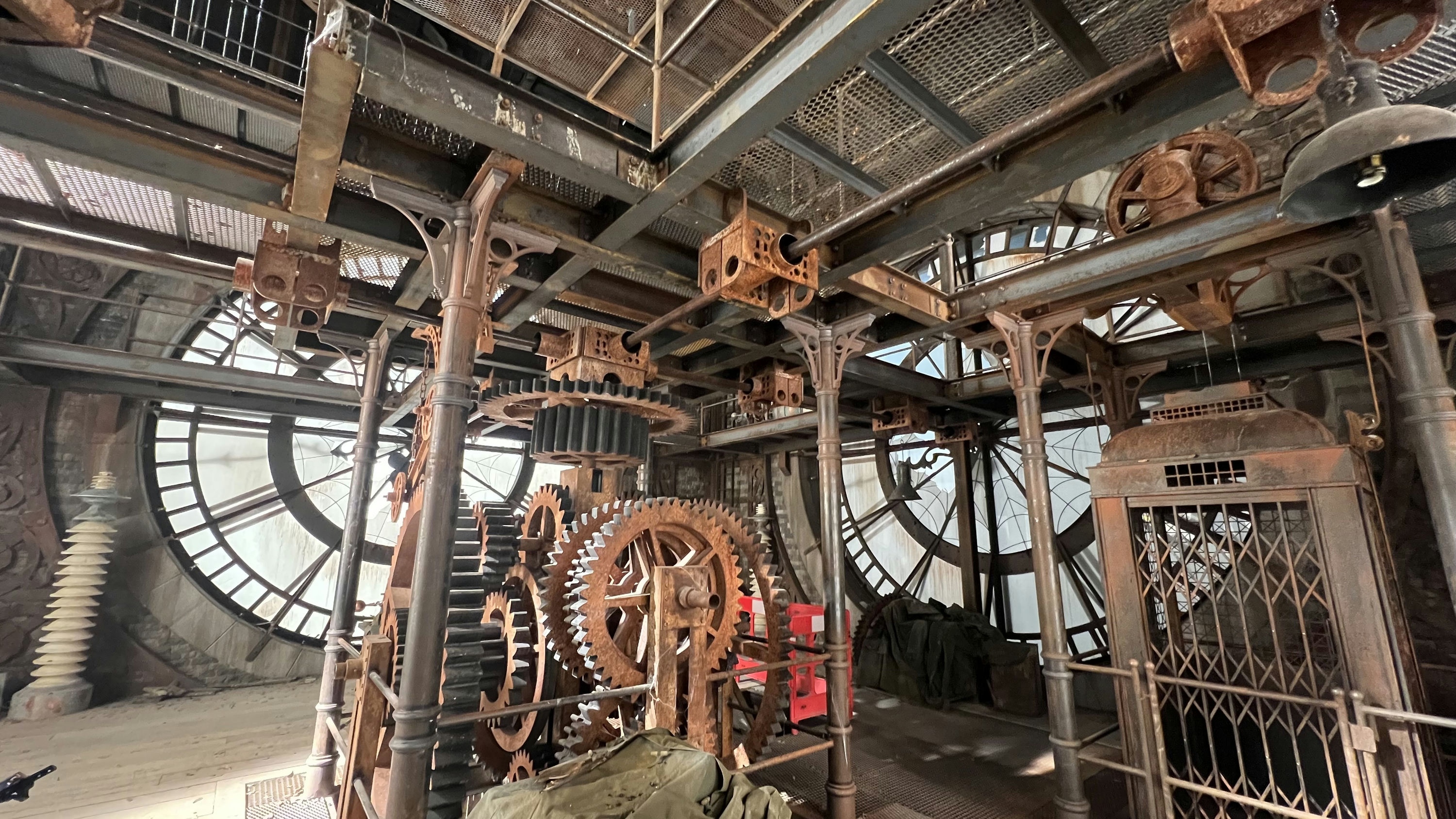
I then started-art directing and supervising, and my sketching skills helped me progress through that world. I always wanted to design, but I also didn't want to design when I wasn't ready, so it took a while before I felt like I understood the industry enough and had enough confidence to start putting myself in that world. I wanted to understand the craft as best I could before I could then stand there in front of everybody and tell them exactly what they should be doing.
I've worked with Tim Burton as an art director before I was invited to collaborate on Wedensday. I'd worked up some ideas, especially for Wednesday's dormitory, which was the key to the show. I was surprised how generous he was with his feedback. He actually listened to my ideas, and then steered them forward.
It was very angsty in those first two weeks, trying to come up with those ideas. Not only were you reinventing a franchise that had been dormant for many years, but the original films and TV show are amazing. You didn't want to embarrass yourself trying to reinvent that, and you certainly didn't want to embarrass yourself in front of Tim Burton.
Very quickly I had to forget the weight of responsibility and just try and sit down and design what I thought was right. I had some illustrators working with me who worked in 2D as well, which was quite nice because it meant that we could work on a sort of similar basis. So I would do sketches, send them to the illustrators, and they would send them to me, as a sort of a worked-up, painted version.
Tim Burton doesn't always like polished sketches. He likes you to come with him with little doodles, and he's more comfortable in that environment than he is in the corporate presentation world. He's much happier with a flowing, creative narrative.
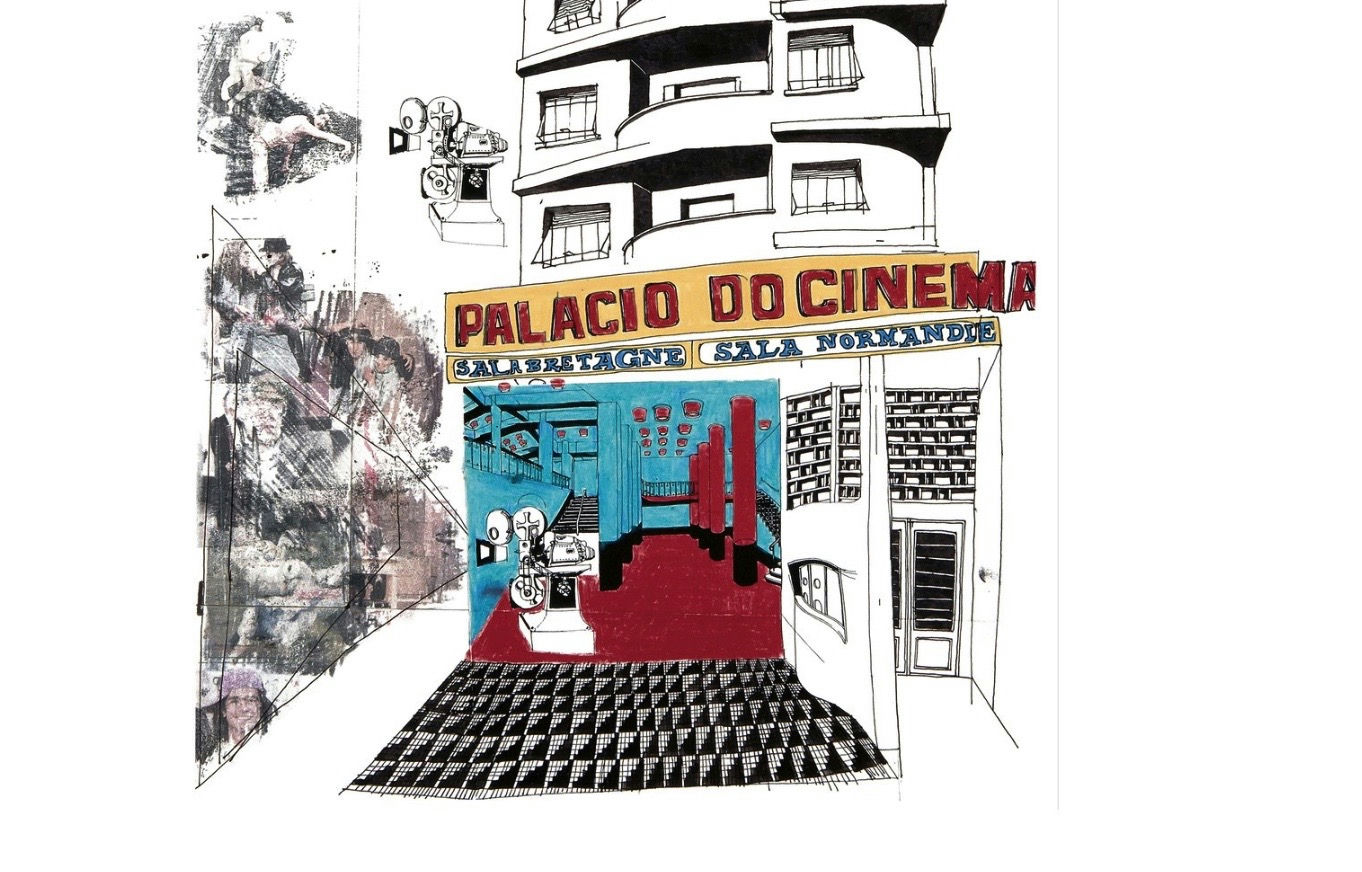
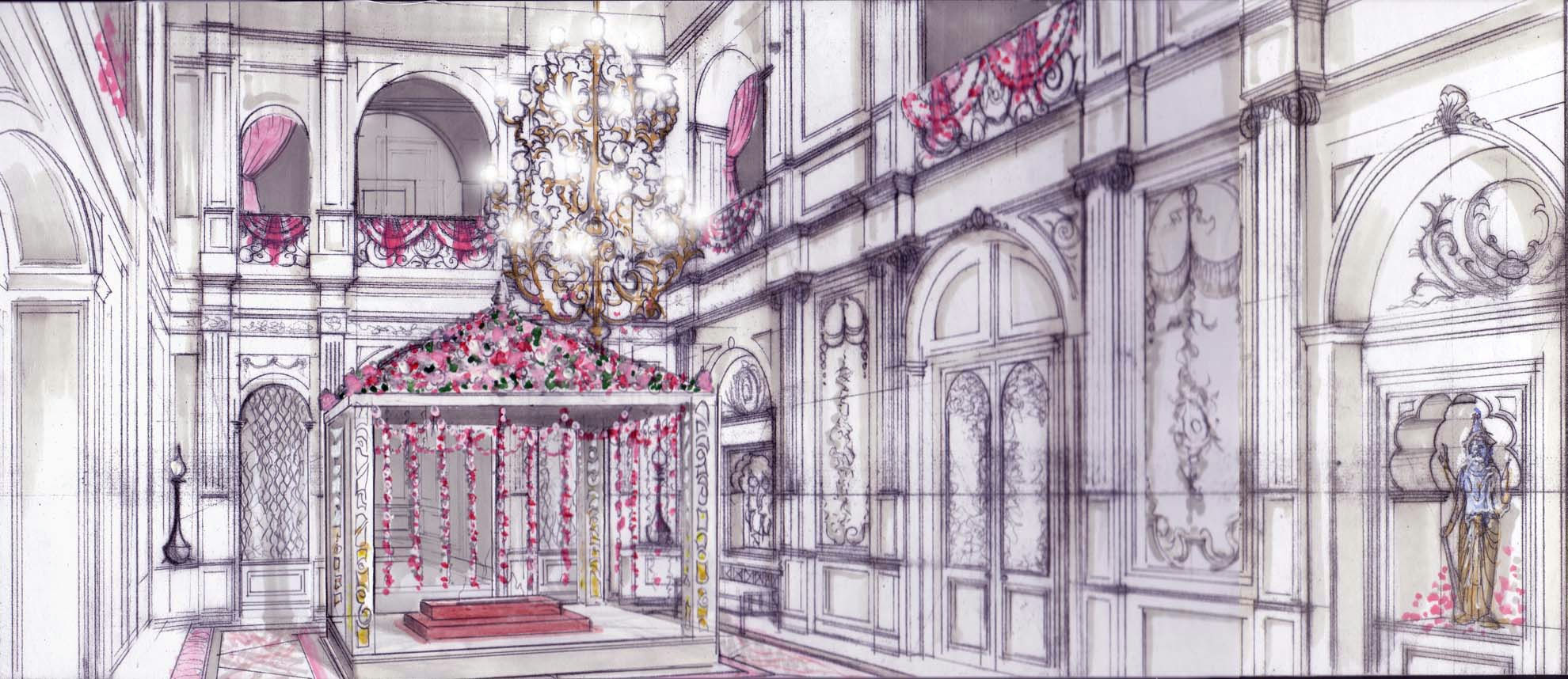
Sketches and sets from BeetleJuice, Beetlejuice
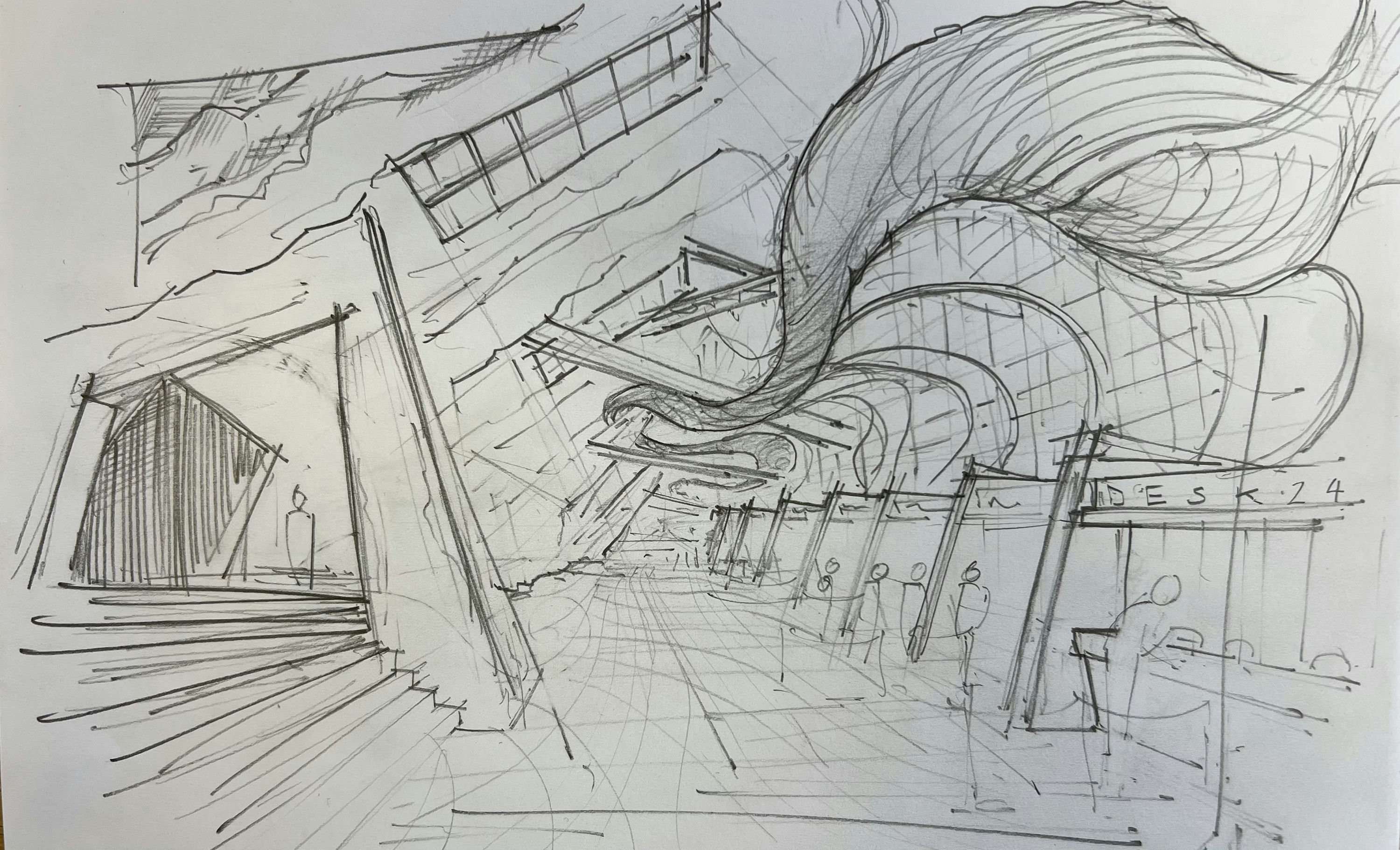
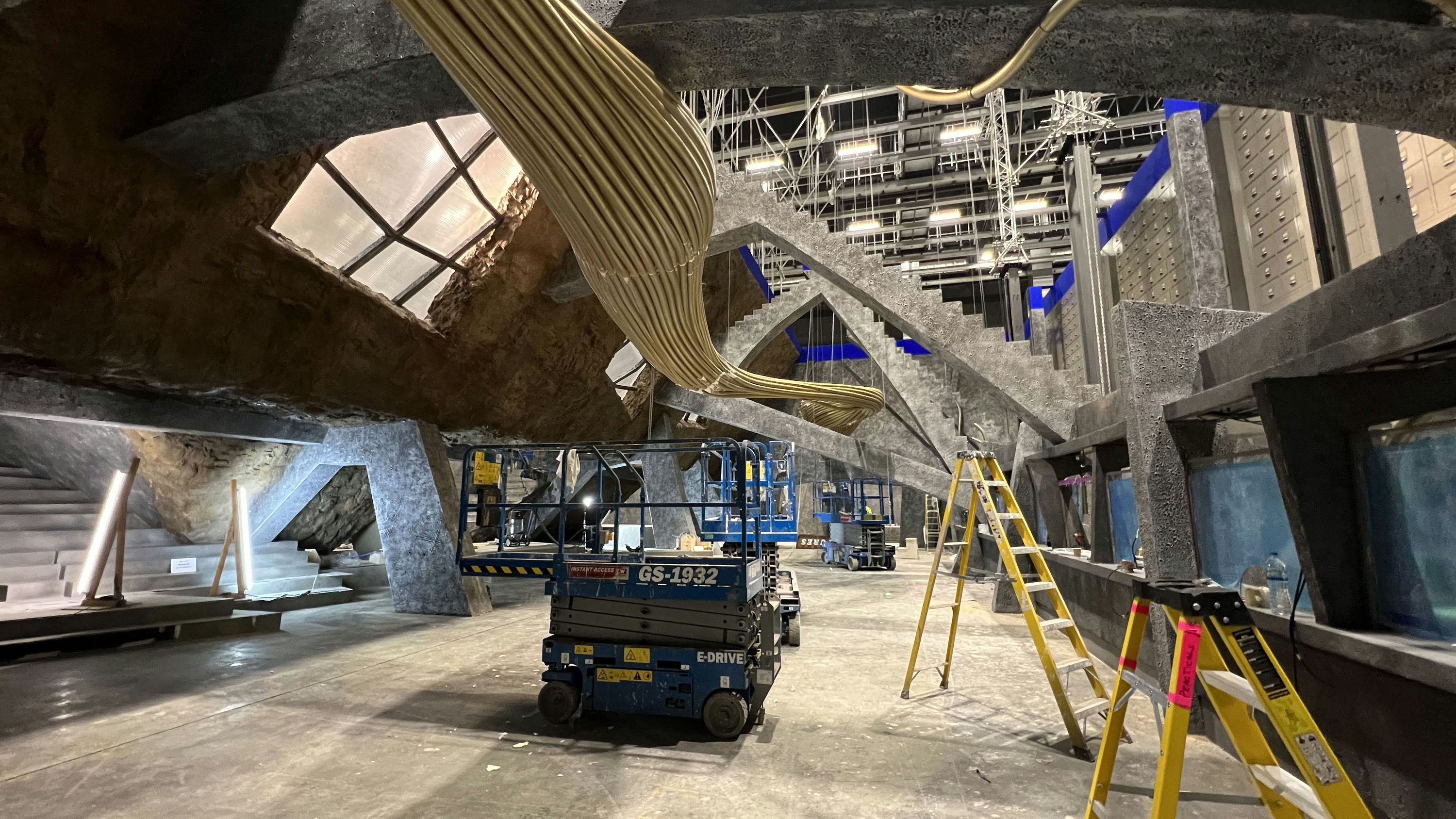
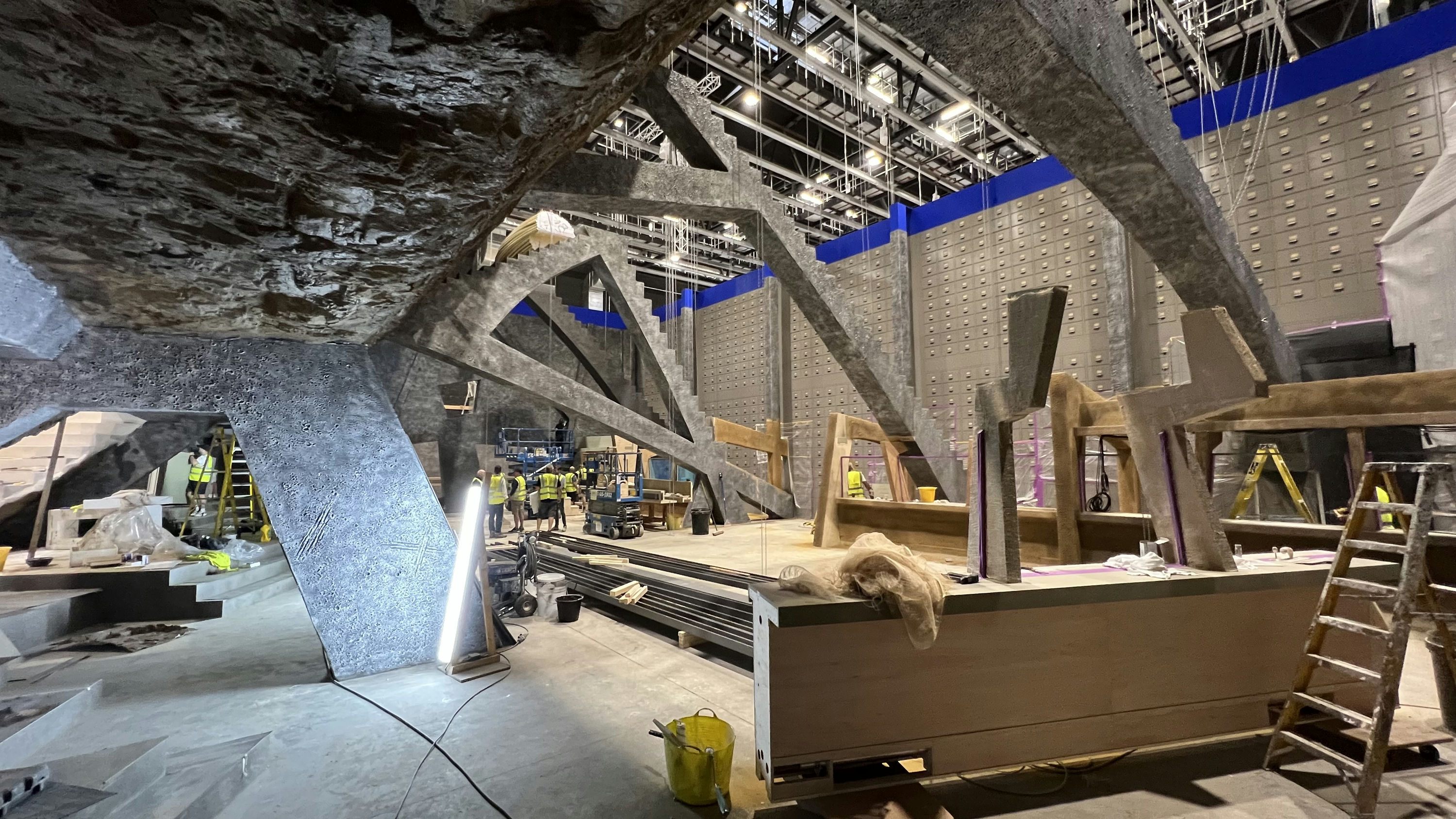
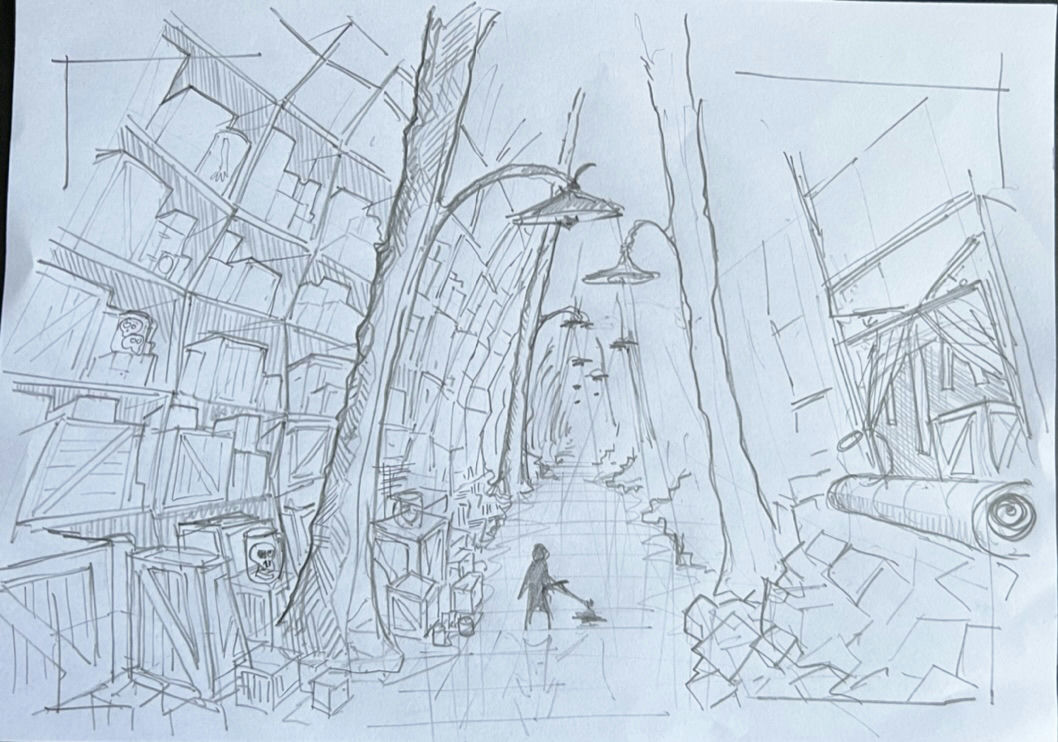
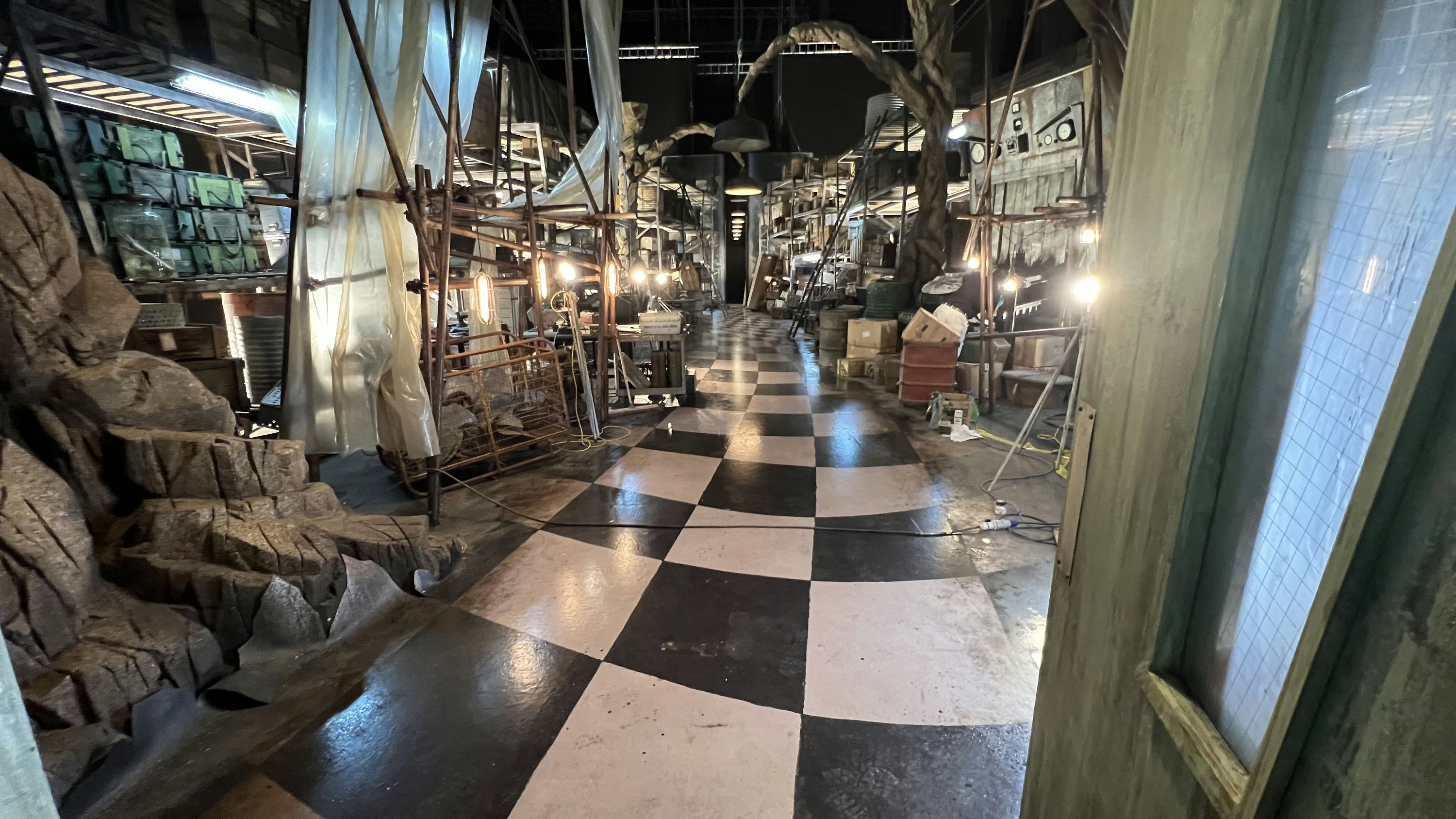
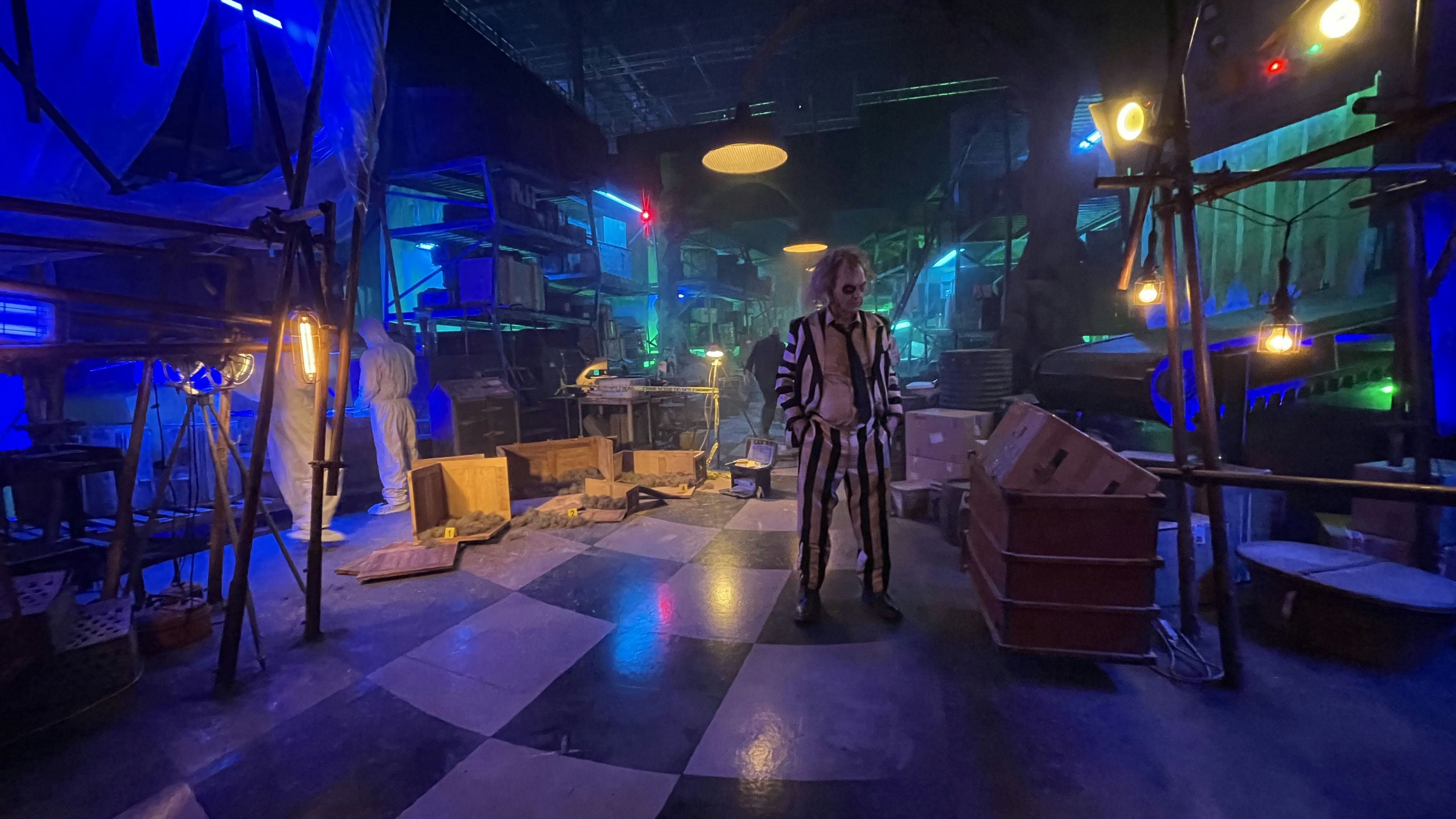
Off the back end of "Wednesday", suddenly the conversation was, how would you feel about "Beetlejuice, Beetlejuice"? And it was one of those things where, how could you possibly say no? It was a film that I grew up with. It's probably one of the most worn-out VHS tapes I had when I was young. The notion of trying to give that film another lease of life was extraordinary, but also terrifying.
I frame-grabbed most of the original movie, and found some of Bo Welch's original production design drawings. Then I turned those into a bound book that I gave to all my HODs. Bo was one of my heroes growing up, and he still is. I was very conscious of the fact that anything we did that was from the original film had to be immaculately close. It had to feel like the exact same set.
But then there was a whole other side, where you had to dig into this world and make it something different and new, and give it a fresh feel. And we were very clear that we didn't want it to be a reboot. It needed to feel like an extension of the original. It had to be real sets, real environments, all of the old school techniques, otherwise it would feel different, and it couldn't feel different. But it had to feel fresh, and it had to feel relevant, which was an interesting task.
I think the sets in the original film were all outlandish, surreal, and otherworldly, but you somehow could connect with them, They had a quirkiness, and a charm, and a reality. You didn't question any of it.
It's Tim Burton's world, but he wants you to believe in it.
I went through a period where I sort of stopped drawing and focused on computer drawing. I said right, I'm gonna be all about the tech. And actually, it was very noticeable when I started drawing again that I'd sort of lost my way. I had to really draw a lot to get my skill back. And I think that's what I'm conscious of now. I always sit down and draw. If I'm not working, I'm drawing. I'll sit down and draw the apples on the table, or something that's in my head.
Just keep drawing. Draw all the time, draw every day, and it doesn't matter what it is. The more you draw, the better you get, and the more you understand things.