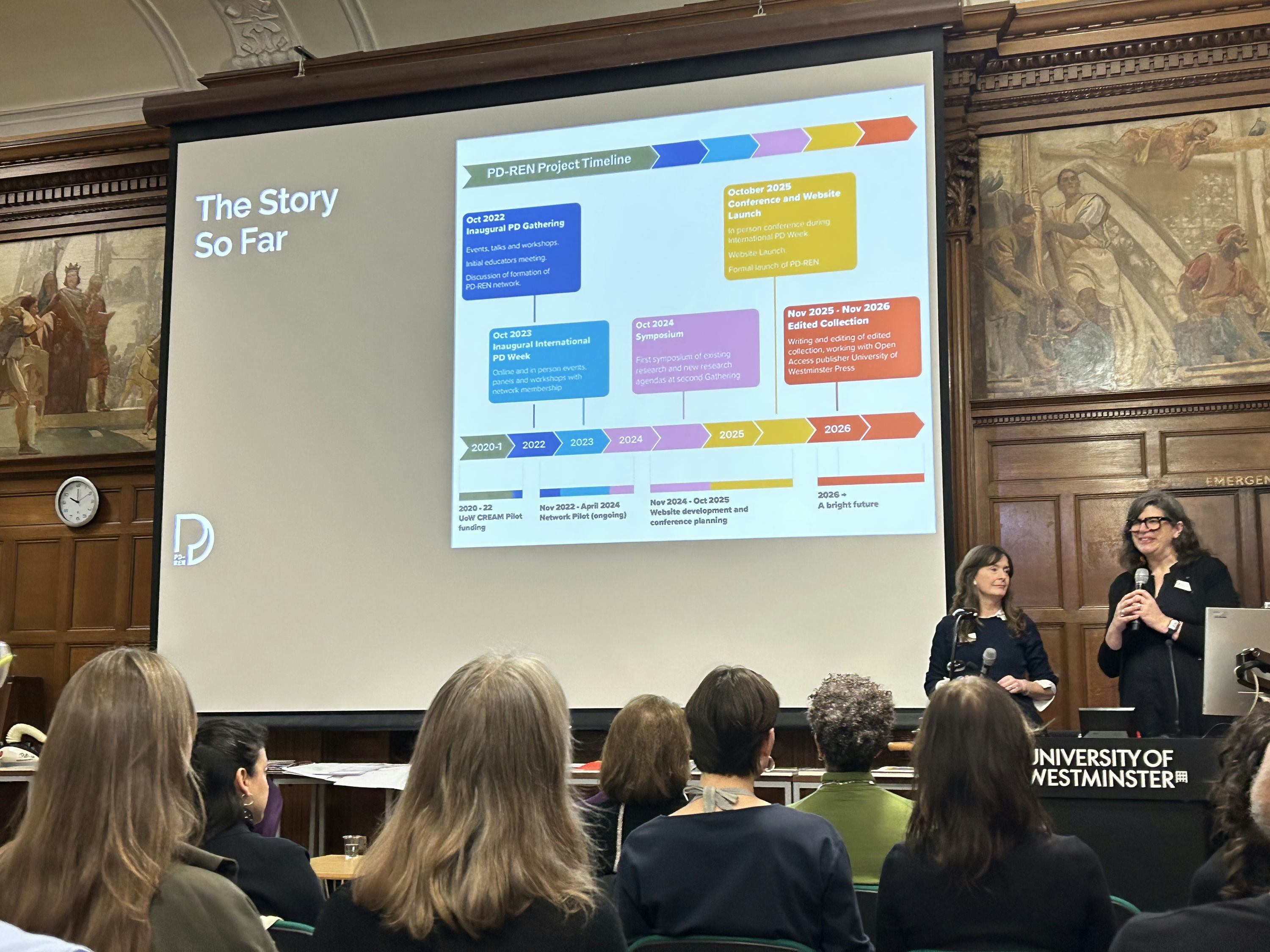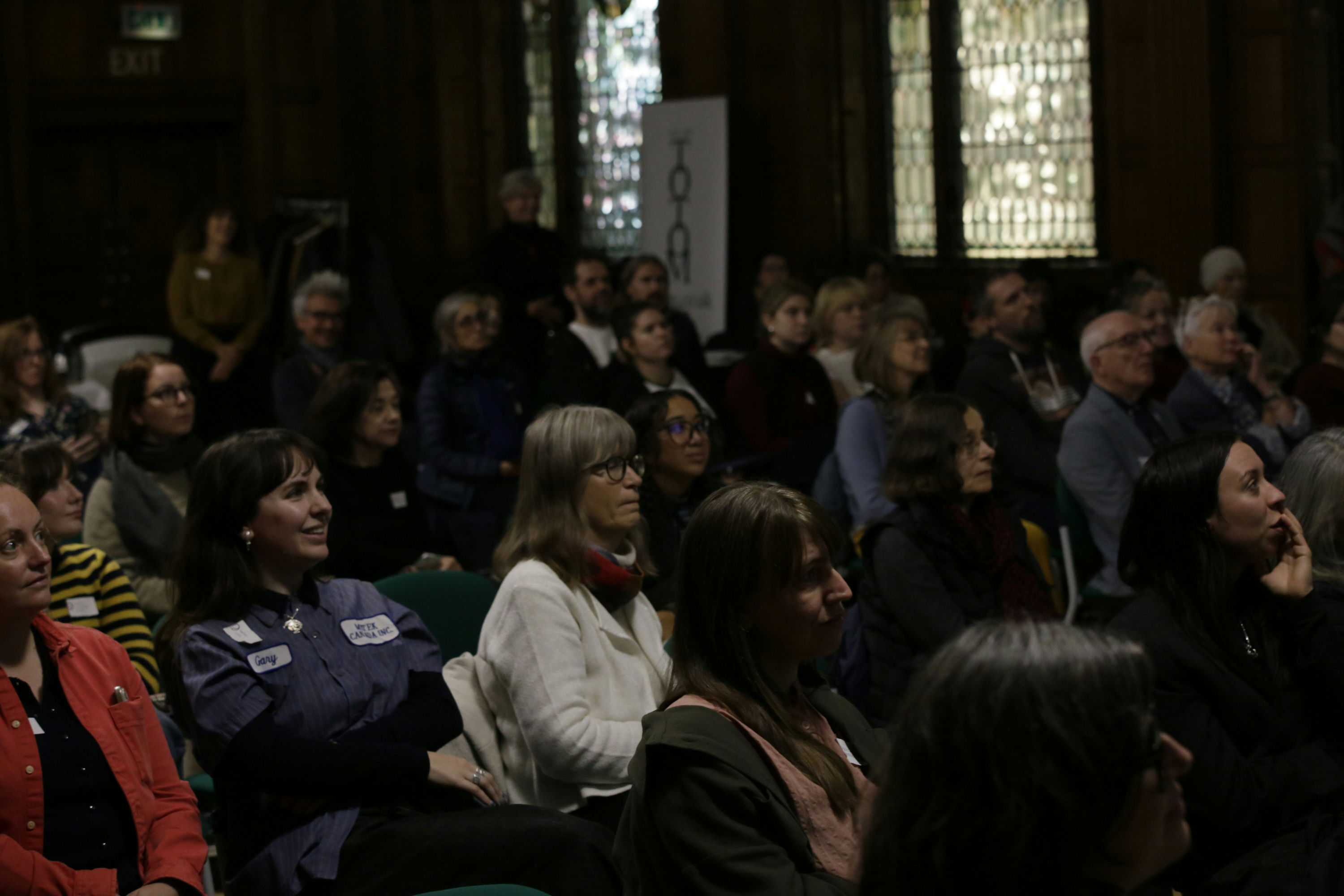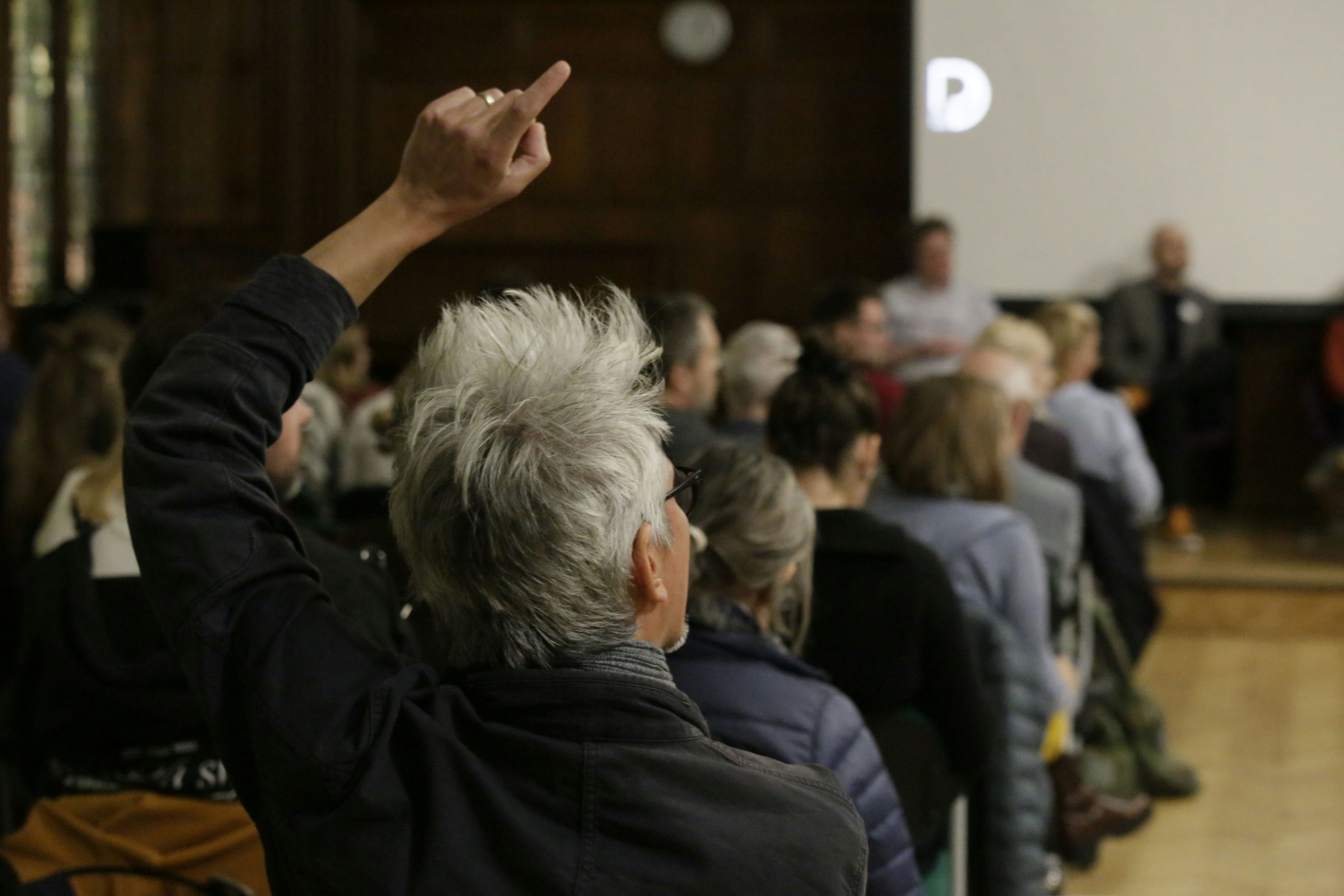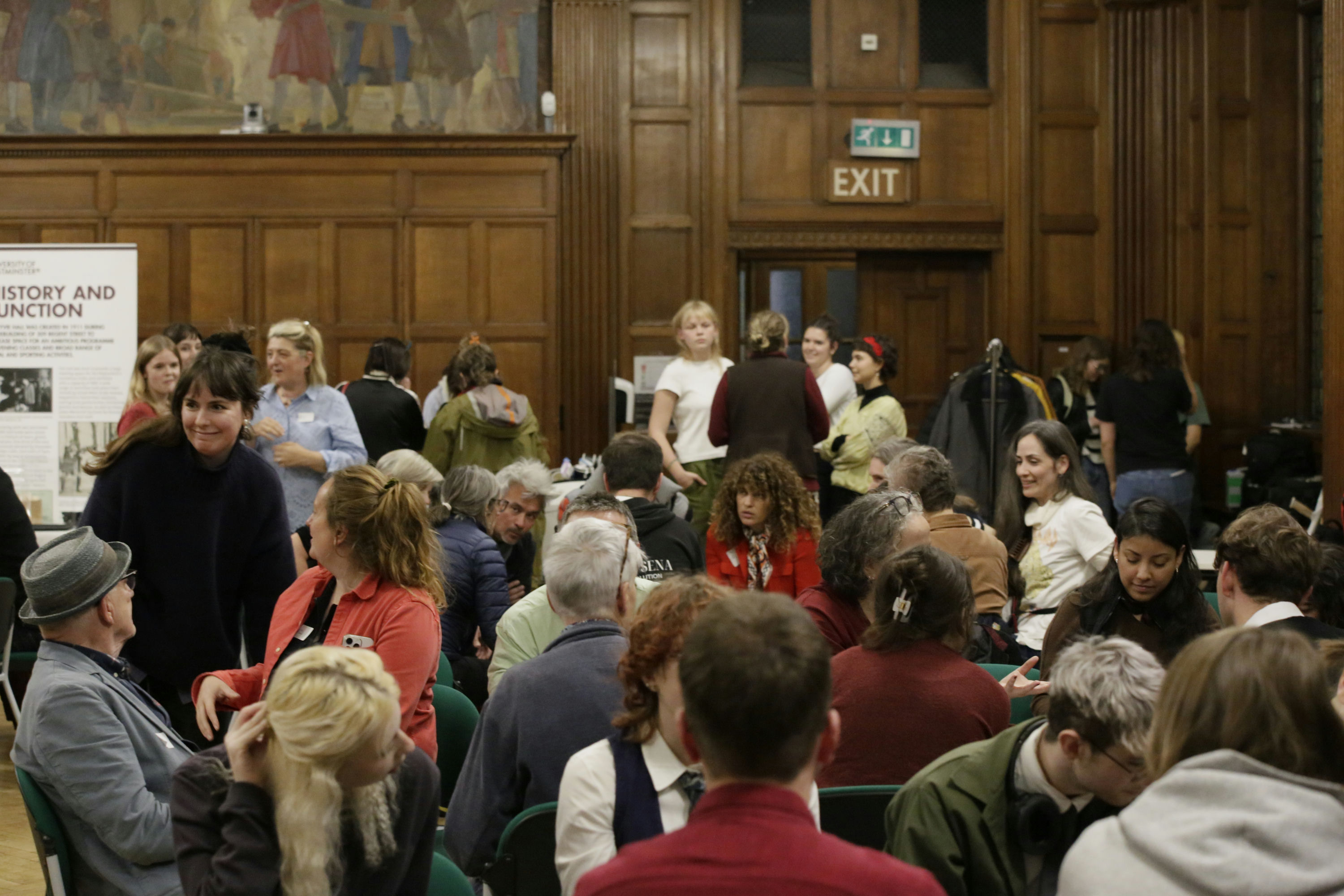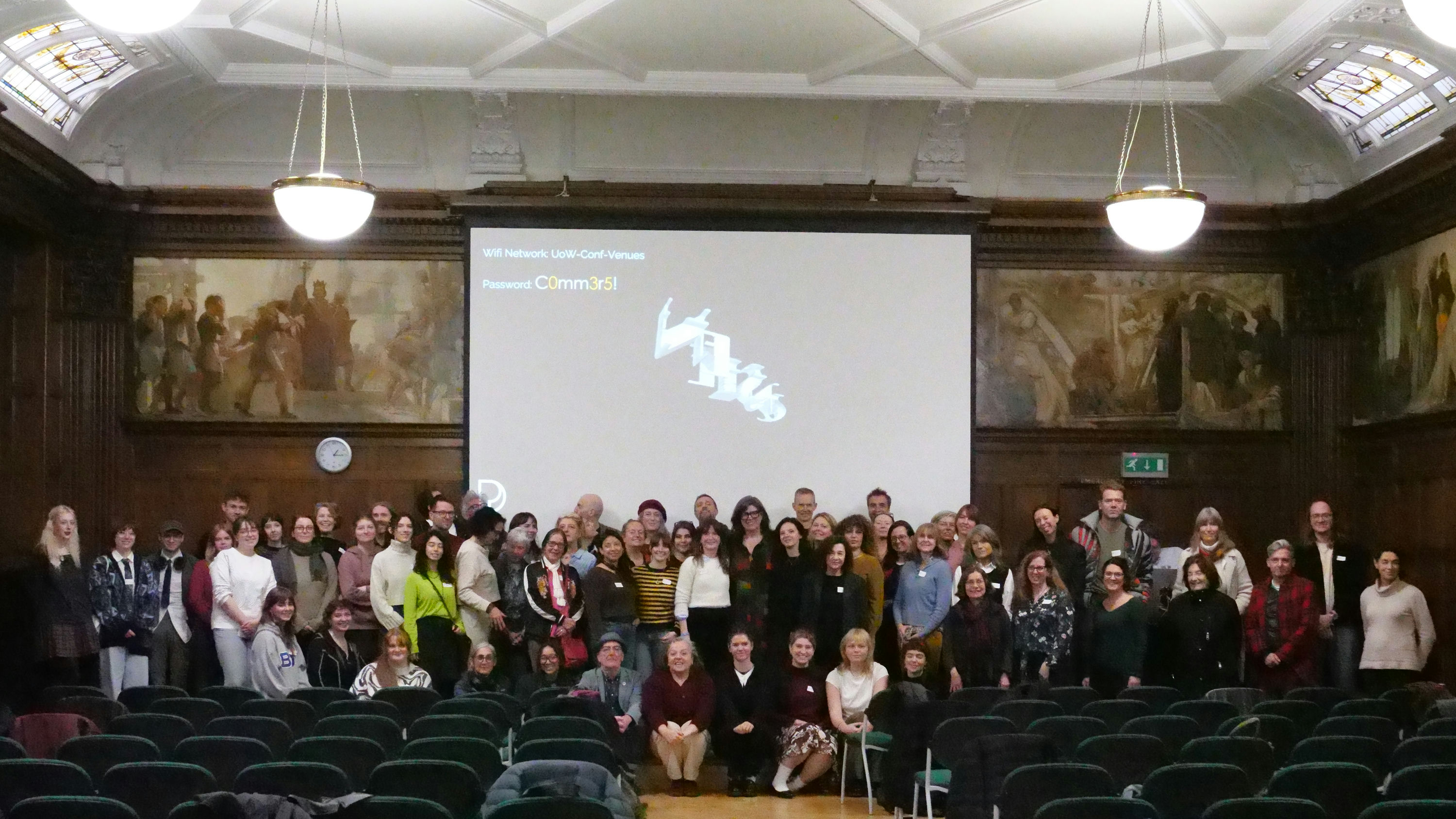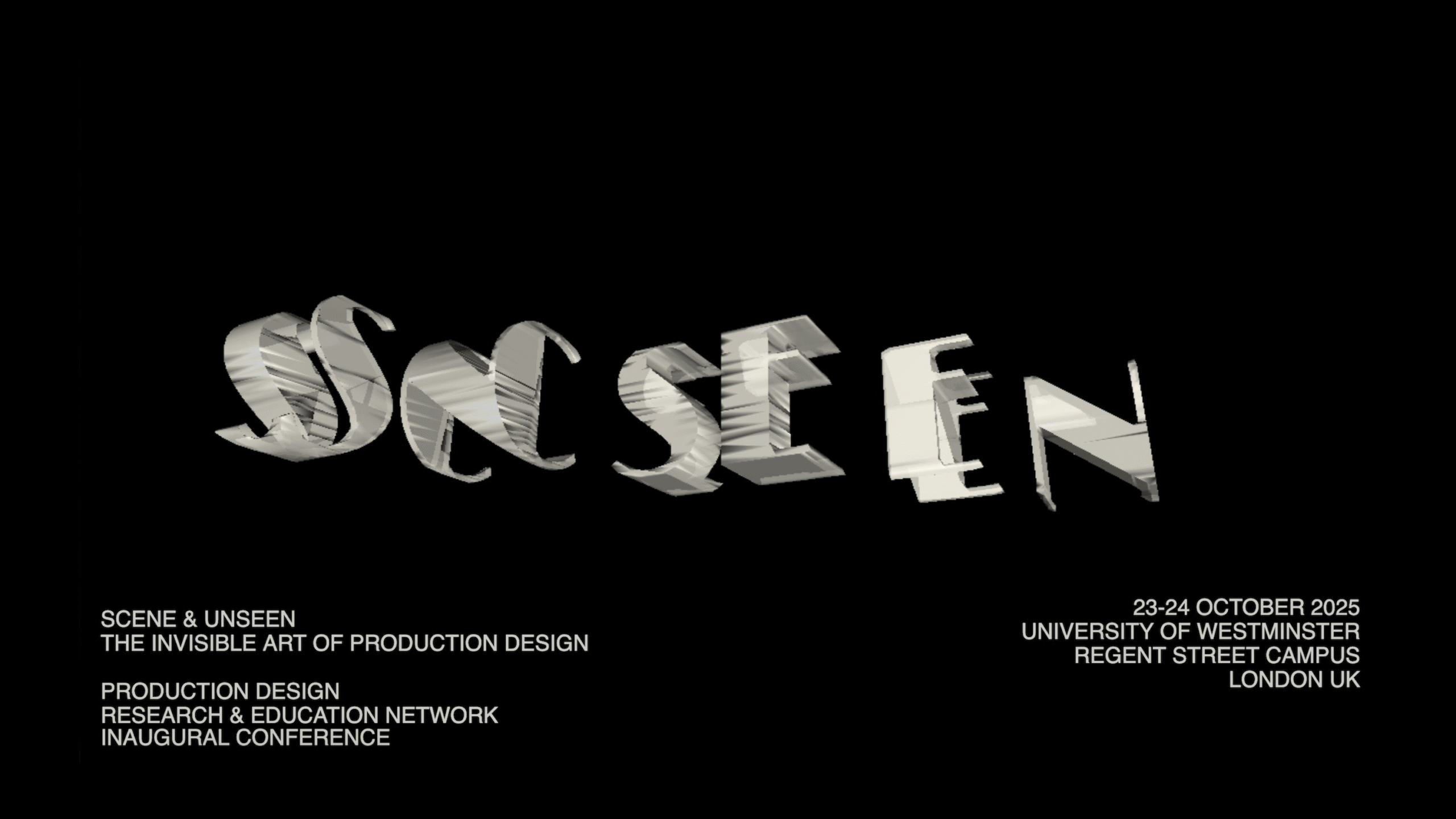
With over 45 speakers and 200 attendees across the programme, and the mix of screenings, scholarship and spirited debate, the inaugural PD-REN Conference set a strong foundation for the future – a celebration of the imagination, collaboration and research that make the invisible art of production design visible.
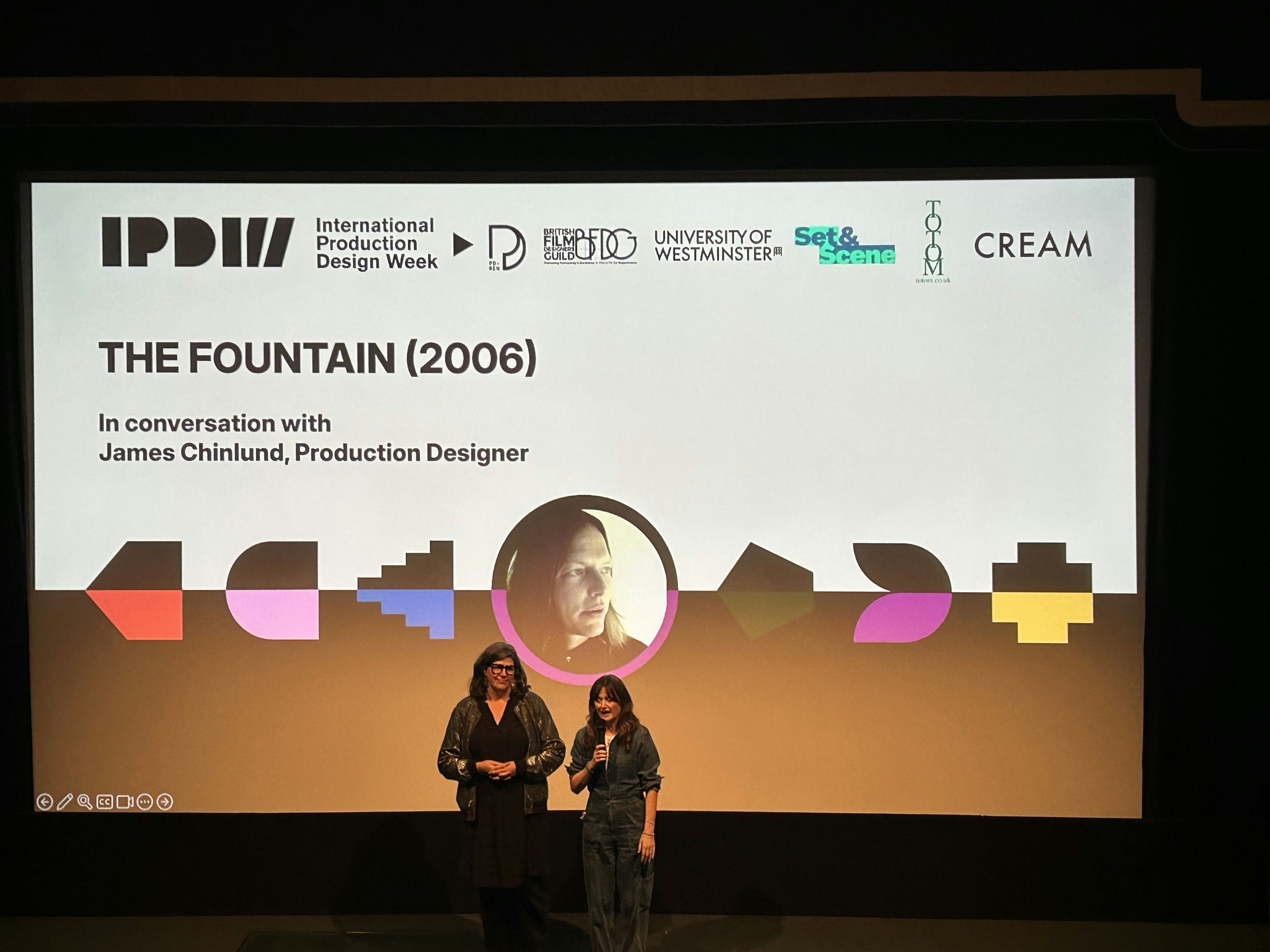
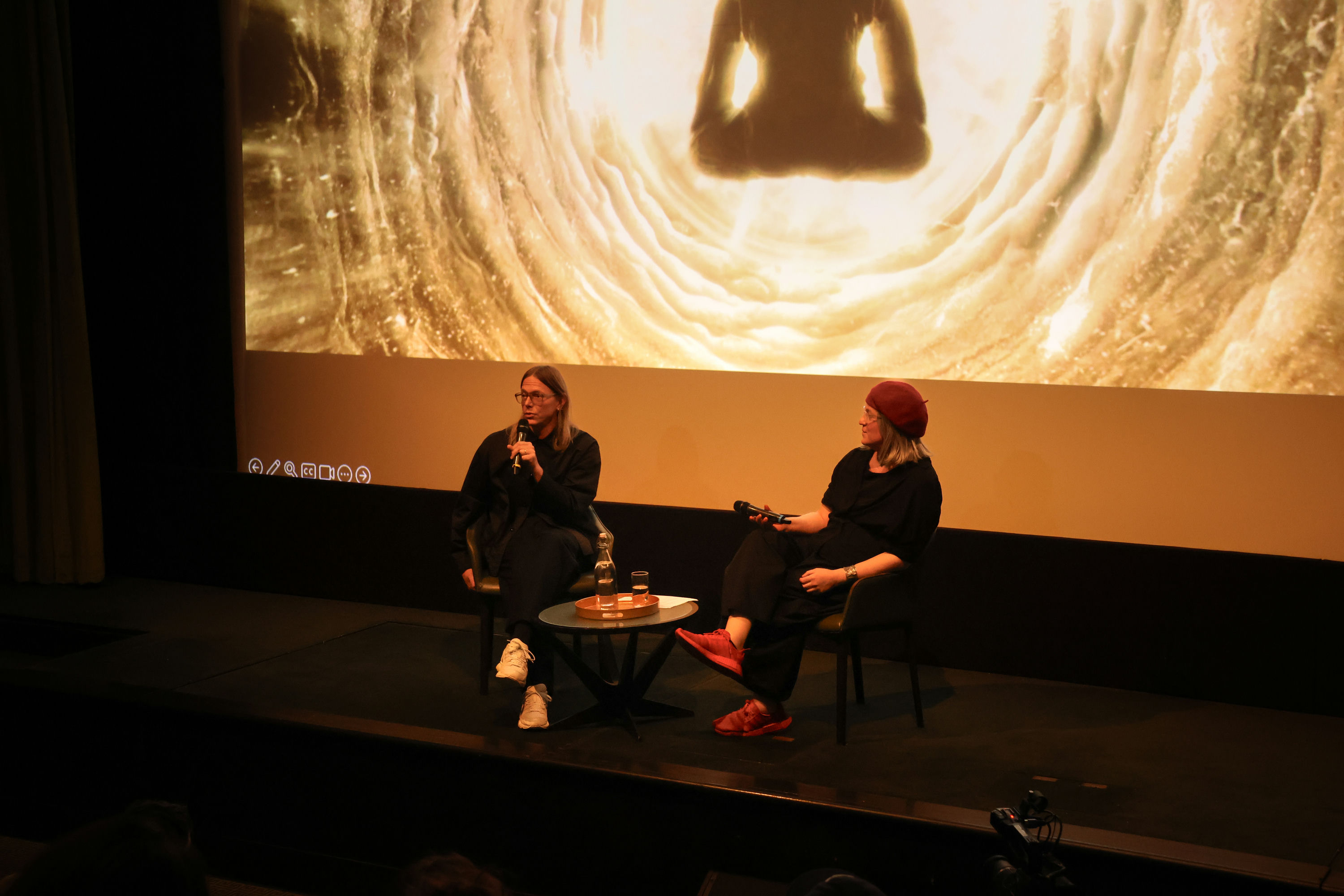
The conference opened with a cinematic flourish where PD-REN co-founders Jane Barnwell, Jo Briscoe, and Jonathan Paul Green (BFDG Chairperson) gave a warm welcome to an excited audience of filmmakers, educators, students and the general public. The screening of The Fountain (2006) was followed by an insightful conversation with production designer James Chinlund ( Narnia, The Batman), moderated by Jamie Lapsley (BFDG).
Over the next two days, the program offered a rich mix of panels, talks, and workshops. Highlights included Light Bulb Moments – a dialogue between Eli Bo (Norwegian Film School) and Moira Tait (BFDG) on inspiration, chaired by Professor John Wyver (UoW); A stimulating Pedagogical Approaches panel with presentations from Jette Lehmann and Sofia Stål (National Film School of Denmark), Ben Simpson (Leeds Arts University), Noelle C Thomas (DePaul University), Kerry Bradley (Nottingham Trent University), and Siri Langdalen (Norwegian Film School) chaired by Anna Solic (University of South Wales); and Making the PD Visible, chaired by Geraint D’Arcy (UEA) with presentations from Professor Ian Christie (Birkbeck Institute), Professor John Wyver and Miriam Phelan (Curator of Screencraft, BFI National Archive).
Conversations on virtual production and immersion included Will Htay’s (BFDG) demonstration of NOOR previs, and papers exploring Immersion from Jørgen Stangebye Larsen (Norwegian Film School), Jayne Sayer (University of Salford), Karen Maness (University of Texas) and Richard Whitby (Ravensbourne University). Day one was rounded off with a conversation between Anna Solic and Jane Barnwell about the Visual Concept Toolkit Jane has developed for both designing and analyzing Film and TV, before networking drinks for attendees.
Day two started with candid conversation between Danny Brown (Totom Construction) and PD Russell De Rozario in VP: Tying Worlds Together, chaired by Kerry Bradley. Our Teams panel followed highlighting the art department working practices, with presentations from Andoni Iturbe Tolosa (University of the Basque Country) and May Davies (BFDG) chaired by Maria Kavalioti (University of Thessaloniki). Panels examining evolving narratives and methodologies included Space and Story with Geraint D’Arcy, Jon Rowlands (University of Lincoln) and Maria Del Rincon Yohn (Universidad de Navarra), and Future Directions with Angelica Boehm (Film Universitat Babelsberg Konrad Wolf), Sebastian Soukup (International Filmschule Koln) and Mani Martinez (Catalonia Higher School of Cinema) chaired by Boyana Buchvarova (NATFA). An energizing round of fast paced poster presentations from Abigail Stephenson, James Frith and Alexis Molloy (University of South Wales), Angelica Boehm, Boyana Buchvarova and Elena Trencheva (NATFA), Gage Williams (University of Utah), Nathan Evans (AFTRS), Signe Gerda Landfald (Norwegian Film School), Maria Kavalioti and Jon Rowlands delivered a visual feast with impact. The workshop session, AI in Production Design: Tools for Expression and Exploration, led by Boyana Buchvarova and Elena Trencheva, delved into the creative potential of emerging technologies with entertaining results.
For more information:
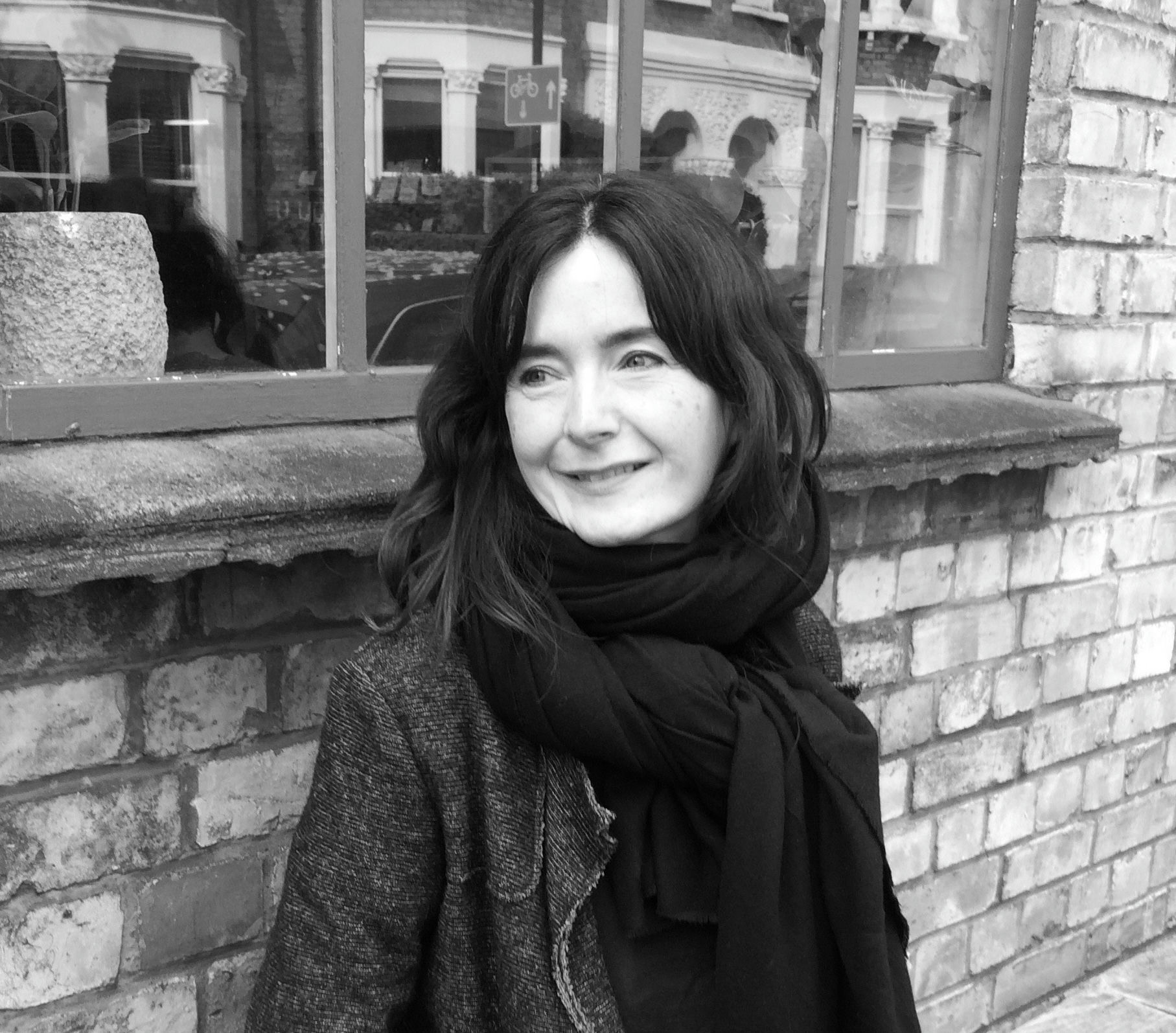
PD-REN Co-founder
For me, the conference represents the culmination of many years of research and knowledge-exchange activities. The magical combination of speakers drawn from education, research and industry reflects our network’s aim to bridge these fields and forge meaningful dialogue between them.
Bringing this incredible collection of people together in one place for two full days was genuinely mind blowing. The energy in the room fueled by curiosity, generosity and a shared passion for production design couldn’t fail to inspire. I came away feeling more enthusiastic than ever about the future of the subject and its expanding horizons. The conversations we sparked here strengthen my commitment to increasing the visibility and understanding of production design within academia and beyond.
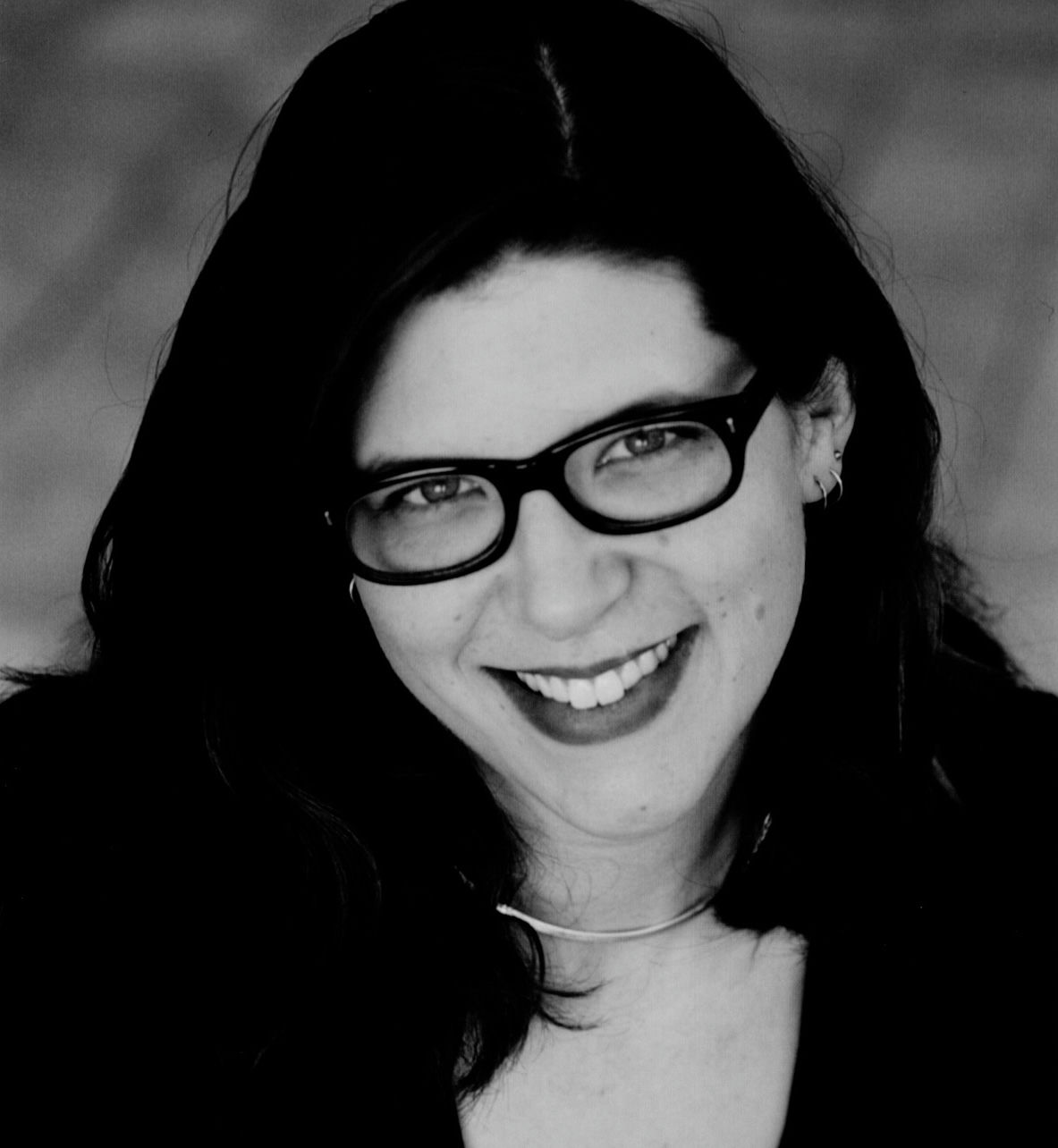
PD-REN Co-Founder
One of the most exciting aspects of the conference was the conversation between the full range of practitioners, theorists and educators, who make up the network, in conversation even within each panel. It meant there was a really robust conversation considering all viewpoints. It feels like a quite distinctive feature of the network as it evolves and I think will continue to make the network really fruitful.
It was also thrilling to see the international conversation around education in production design evolving. There has been very little written about pedagogical approaches to teaching production design, and it was heartening to share so many examples from around the world, finding similarities and then being inspired by new ideas. This conversation is set to continue with the two forthcoming books in this area: the PD-REN collection Perspectives on Production Design: Practice, Education and Analysis will be published open access by the University of Westminster Press in 2026, and CILECT’s Teaching Production Design in the 21st Century, also due next year. It marks an exciting evolution in the academic profile of production design, and I think is just the start of a growing momentum.

Professor of the Arts on Screen, University of Westminster
What I especially appreciated about the conference was the combination of and dialogue between the rich and as-yet largely unexplored histories of production design, with all of their messy materialities, and the opportunities and challenges confronting designers today, when those materialities are now complemented and extended by so many digital variants.
International Filmschule Köln Student and conference poster presenter
One of the biggest highlights for me was seeing such a wide range of ages and levels of experience represented, from students just starting out to professionals with over 30 years of experience. It was inspiring to see how passionate everyone was about our craft, regardless of their background. I felt both motivated and creatively empowered after attending the conference.
For me, a key highlight was how much the conversation centred around forward-thinking ideas — from AI and green production to AR and VR, and other emerging technologies. This made me realise how important it is for our field and the film industry as a whole to improve communication and collaboration between departments. I believe that being more open in our support of one another can help shift the mindset from working in our own bubbles to truly working together. At the same time, I was reminded that continuous development is essential. Change should be viewed critically, but not with resistance. It is by staying open, adaptable and curious that we will be able to meaningfully shape the future of production design.
It was a great opportunity to attend Production Design Week, and a huge privilege. It was especially valuable for us as students, as we were able to talk to so many experienced people who were open about sharing details of their work. This eased my anxiety about entering the industry and left me feeling encouraged, so I would like to thank everyone for inviting us to London.
University of Westminster class of 2024
What never fails to be my highlight of the Production Design conferences is the opportunity to be sitting in the same room as designers you’d rarely cross paths with. Simply having the luck to sit beside someone whose work you admire (or the confidence to spark a conversation) always opens the door to incredible advice, stories, and generosity. This year's conference gave me insight in how differently everyone approaches a project: the struggles they face, the creative choices they make, and their own unique processes they rely on, from sketches to mood boards to models. It was a reminder that there’s no single “right” way to be a production designer—every talent has value.